Weld Smarter Every Time: Get Better Results with MIG Welding Machines and Simple Troubleshooting Tips

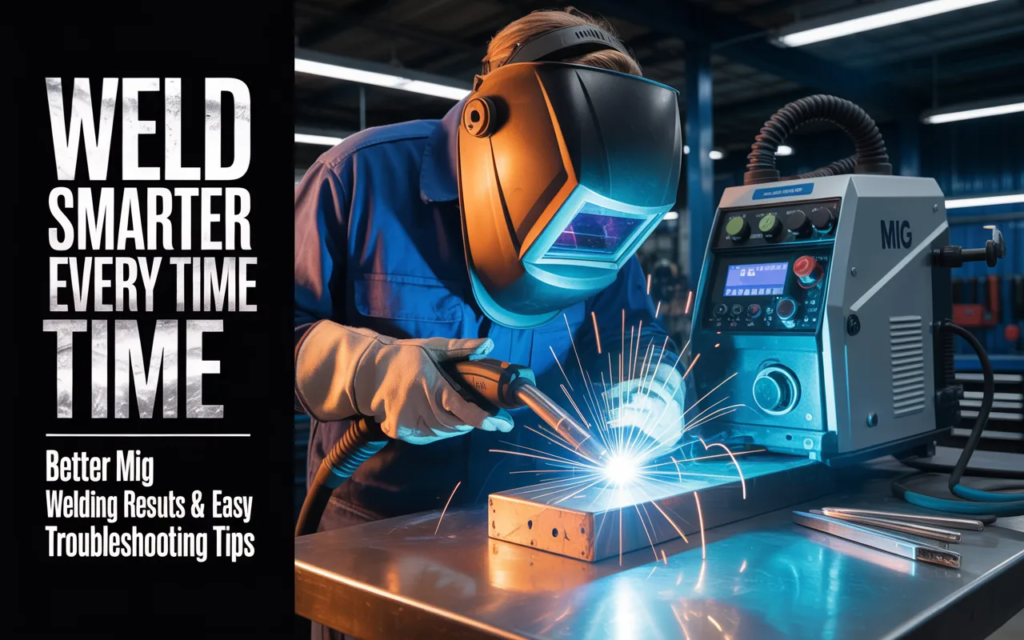
Welding has become an important part of modern manufacturing, automotive repair, construction, and DIY fabrication projects. Whether you are working in a professional workshop or handling home metalworking tasks, the quality of your equipment can directly affect your results. A reliable mig welding machine helps welders create cleaner welds, improve efficiency, and complete projects with greater confidence.
MIG welding remains one of the most popular welding methods because it is fast, versatile, and easier to learn than many other welding techniques. However, even experienced welders occasionally deal with problems like poor wire feeding, excessive spatter, weak penetration, or unstable arcs. Understanding how to identify and solve these common issues can dramatically improve weld quality and reduce frustration during projects.
Why MIG Welding Is So Popular
MIG welding, also known as Metal Inert Gas welding, uses a continuously fed wire electrode combined with shielding gas to create strong welds. Its speed and ease of use make it ideal for many different applications.
MIG welding is commonly used for:
- Automotive repair
- Fabrication projects
- Construction work
- Home DIY welding
- Industrial manufacturing
One reason MIG welding is so widely used is because it works well on different metals and thicknesses while allowing relatively fast production speeds.
The Importance of Using Quality Welding Equipment
Good welding equipment does more than simply join metal together. It improves weld consistency, safety, and overall performance.
A quality welding machine can help:
- Produce smoother weld beads
- Improve arc stability
- Reduce spatter
- Increase productivity
- Make welding easier for beginners
Reliable machines also help reduce downtime caused by equipment issues or inconsistent performance.
Common Problems Welders Face
Even with modern equipment, welding problems can still happen. Learning how to identify these issues is an important part of becoming a better welder.
Excessive Spatter
Spatter creates unnecessary cleanup and can make welds look messy.
Common causes include:
- Incorrect voltage settings
- Improper wire speed
- Poor grounding
- Low-quality wire
Weak Weld Penetration
Poor penetration can weaken weld strength and reduce durability.
Possible causes include:
- Low amperage
- Incorrect travel speed
- Dirty base material
- Improper joint preparation
Porosity
Porosity occurs when gas pockets become trapped inside the weld.
This may result from:
- Contaminated surfaces
- Poor gas coverage
- Wind affecting shielding gas
- Moisture on materials
Better Results Start with Proper Setup
Correct machine setup plays a major role in weld quality. Small adjustments can often solve major welding issues.
Important setup factors include:
- Voltage settings
- Wire feed speed
- Shielding gas selection
- Ground connection quality
- Wire type and diameter
Taking time to properly configure the machine before welding helps improve consistency and reduce mistakes.
Simple Troubleshooting Tips That Work
Understanding practical MIG Welder Troubleshooting methods can help welders solve common problems quickly and avoid interruptions during projects. After reviewing professional troubleshooting guidance and welding resources, it’s clear that many welding issues can be corrected through simple adjustments and maintenance.
Check Wire Feed Tension
Improper tension may cause inconsistent wire feeding or slipping.
Inspect Contact Tips
Worn or dirty contact tips can affect arc quality and feeding performance.
Clean the Work Surface
Rust, paint, oil, and dirt can interfere with weld quality and shielding gas protection.
Verify Gas Flow
Incorrect shielding gas flow often causes porosity and unstable welds.
Adjust Settings Gradually
Making small voltage and wire speed changes allows welders to fine-tune performance more effectively.
These troubleshooting habits can help improve both weld quality and machine reliability.
Why Modern MIG Welding Machines Make a Difference
Modern welding equipment is designed to simplify welding while improving overall performance.
Stable Arc Performance
Advanced inverter technology helps maintain smoother and more consistent arcs.
User-Friendly Controls
Digital displays and adjustable settings make machines easier to configure.
Portable Designs
Compact welding machines are easier to move between job sites or workspaces.
Multi-Process Capability
Some machines support MIG, TIG, and stick welding in one unit, offering greater versatility.
These improvements help welders work more efficiently across different types of projects.
Choosing the Right MIG Welding Machine
Selecting the right welding machine depends on several important factors.
Material Thickness
Different projects require different power levels and welding capacities.
Frequency of Use
Heavy daily use may require more durable and higher-capacity machines.
Portability Needs
Portable welders are useful for mobile repairs and fieldwork.
Skill Level
Beginner-friendly controls can make learning easier for new welders.
Choosing the right machine improves workflow and helps produce better results consistently.
Building Welding Skills Through Experience
Becoming a better welder takes time, practice, and patience. Every project helps welders improve their technique and problem-solving skills.
As experience grows, welders become better at:
- Reading weld puddles
- Adjusting machine settings
- Controlling travel speed
- Managing heat input
- Producing cleaner and stronger welds
Combining reliable equipment with troubleshooting knowledge allows welders to work with greater confidence and consistency.
Final Thoughts
Successful welding depends on more than just technique. Reliable equipment, proper setup, maintenance, and troubleshooting all play important roles in achieving professional-quality results.
A dependable mig welding machine helps welders improve efficiency, consistency, and overall project quality. At the same time, learning practical MIG Welder Troubleshooting methods allows users to quickly solve common welding problems and maintain smoother operation.
With the right combination of modern equipment, regular maintenance, and troubleshooting knowledge, welders can work smarter every time while producing cleaner, stronger, and more reliable welds.