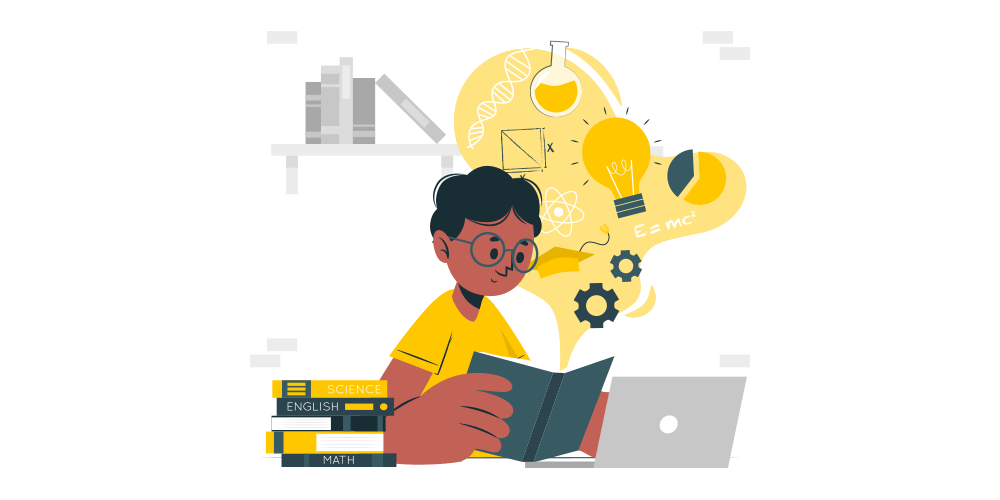
Education is changing faster than ever. The traditional classroom model, where every student follows the same lesson at the same pace, is slowly being replaced by something more flexible and student-focused. Personalized learning is now becoming one of the biggest shifts in modern education, especially inside digital classrooms.
Instead of treating every learner the same, personalized learning adjusts lessons, assignments, and teaching styles based on individual needs. Some students learn quickly. Others need more time and support. Digital tools now make it possible to respond to those differences in real time.
The rise of personalized learning is not just about technology. It is about making education feel more human again.
What Is Personalized Learning?
Personalized learning is an approach where education is tailored to each student’s strengths, weaknesses, pace, and interests. Digital platforms track how students perform and then adjust lessons accordingly.
For example, if a student struggles with fractions in math, the system can provide extra exercises, videos, or step-by-step guidance before moving forward. If another student masters the topic quickly, they can move to more advanced material without waiting for the rest of the class.
This breaks away from the old “one-size-fits-all” method that has shaped classrooms for decades.
Why Digital Classrooms Made Personalized Learning Possible
Personalized learning existed long before technology, but it was difficult for teachers to manage in large classrooms. A single teacher could not realistically create separate lesson paths for thirty students every day.
Digital classrooms changed that.
Modern learning platforms can now analyze student performance instantly. Adaptive systems use student data to recommend lessons, quizzes, and activities based on learning behavior and progress.
Online learning tools also allow students to:
- Learn at their own pace
- Replay lessons when needed
- Access different formats like videos, games, or interactive exercises
- Receive instant feedback
- Study from almost anywhere
The combination of internet access, smart devices, and educational software created the perfect environment for personalized learning to grow. As David Lee, Managing Director at Functional Skills, explains, “Personalized learning works best when students stop feeling like they are competing with the speed of the classroom.”
Students Learn Differently
One of the biggest reasons personalized learning is gaining popularity is simple. Students do not learn in the same way.
Some students understand concepts quickly through reading. Others learn better through visuals, discussion, or hands-on activities. Traditional classrooms often move too quickly for some learners and too slowly for others.
Personalized learning tries to solve this problem by giving students more control over how they learn.
Research shows that adaptive learning systems can improve engagement and motivation because students work at a pace that matches their skill level.
This also reduces frustration. Students who struggle receive more support, while advanced learners stay challenged instead of becoming bored.
The Role of Adaptive Learning Technology
Adaptive learning technology is one of the main engines behind personalized education.
These systems continuously collect information about student performance. Based on results, they adjust lesson difficulty, suggest resources, or identify learning gaps.
Several popular educational platforms already use adaptive learning methods, including:
- Khan Academy
- Duolingo
- Coursera
These platforms personalize exercises, quizzes, and recommendations for millions of users worldwide.
Instead of forcing every student through the same process, adaptive systems respond dynamically to student needs.
Teachers Are Still Essential
Some people worry that personalized digital learning could replace teachers. In reality, the opposite is happening.
Technology handles repetitive tasks like grading quizzes, tracking progress, and recommending practice exercises. This gives teachers more time to focus on mentorship, discussion, creativity, and emotional support.
Teachers also play an important role in understanding student motivation, confidence, and behavior, something software alone cannot fully measure.
Good teachers are not becoming less important. Their role is simply evolving. As Beni Avni, Founder of New York Gates, explains, “Technology can personalize content, but teachers personalize encouragement.”
Benefits of Personalized Learning
Better Student Engagement
Students are more likely to stay interested when lessons match their skill level and interests. Personalized systems often include interactive features, progress tracking, and real-time feedback that make learning feel more rewarding.
Improved Learning Outcomes
Students who receive targeted support often improve faster because gaps are identified early. Immediate feedback also prevents repeated mistakes from becoming habits.
Increased Confidence
Students who struggle in traditional classrooms often feel left behind. Personalized learning allows them to progress step by step without the pressure of constantly comparing themselves to classmates.
More Accessibility
Digital personalization can support students with disabilities, language barriers, or learning challenges. Features like text-to-speech, speech-to-text, and translation tools help create more inclusive learning environments.
Challenges Still Exist
Even though personalized learning offers many benefits, it also comes with serious challenges.
The Digital Divide
Not every student has access to reliable internet, laptops, or tablets. Schools in lower-income areas may struggle to provide the technology needed for digital learning.
This can increase educational inequality if not handled carefully.
Privacy Concerns
Personalized learning systems collect large amounts of student data. Schools and software providers must protect this information properly and ensure that student privacy is respected.
Teacher Training
Many teachers were not originally trained to use advanced digital tools. Schools must invest in proper training so educators can use technology effectively instead of feeling overwhelmed by it.
Overdependence on Technology
Technology should support learning, not completely replace human interaction. Some critics argue that excessive screen time and automated learning systems can reduce creativity, communication, and deeper thinking.
Finding the right balance is important.
The Future of Personalized Learning
The future of education will likely become even more personalized.
New technologies are already pushing digital classrooms further through:
- Real-time learning analytics
- Intelligent tutoring systems
- Virtual reality learning experiences
- Predictive learning support
- Personalized curriculum recommendations
Instead of static lessons, future classrooms may become fully responsive environments where content changes dynamically based on how students learn best.
At the same time, schools will need to focus on fairness, accessibility, and ethical use of student data.
Conclusion
Personalized learning is changing digital classrooms because students are no longer willing to learn through rigid systems built for average performance. Every learner has different strengths, struggles, and goals. Technology is finally making it possible to respond to those differences at scale.
The biggest shift is not the software itself. It is the change in mindset. Education is moving away from forcing students to adapt to the system. Instead, the system is beginning to adapt to students.
That is why personalized learning is no longer just an educational trend. It is becoming the future of modern learning.