The HR Automation Trap: What AI Should Handle and What Humans Should Never Hand Over

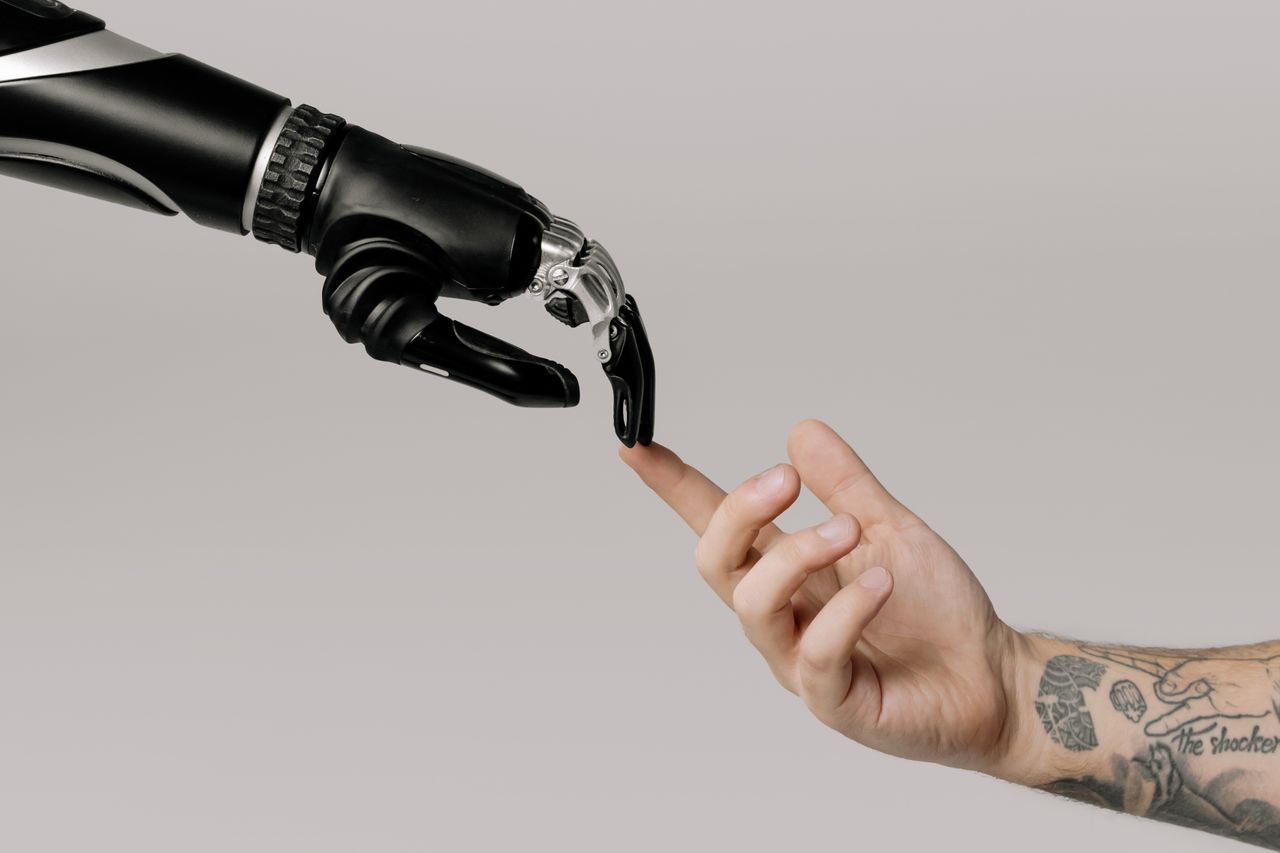
HR teams are surrounded by tasks that seem perfect for AI.
Job descriptions need drafting. Interview notes need summarising. Employee emails need rewriting. Surveys need analysing. Policies need turning into plain English for the seventh person who has asked the same question this week.
Then things become more complicated.
Should AI write performance feedback?
Should it screen applicants?
Should it summarise a disciplinary meeting?
Should it recommend which employee deserves a promotion?
The fact that AI can help with a task does not automatically mean HR should automate it.
That distinction is becoming one of the most important skills for modern HR teams.
A useful AI course for daily HR work should therefore teach more than prompting techniques. HR professionals need to know which tasks can be safely accelerated, where human review is essential and which decisions should remain firmly in human hands.
The simplest rule is this:
Use AI aggressively for repetitive preparation work.
Use it carefully for work involving interpretation.
And keep humans accountable whenever a decision can materially affect someone’s job, pay, reputation or career.
Here is how to draw that line.
Why HR Automation Needs More Caution Than Ordinary Office Work
Using AI to reformat a spreadsheet is relatively low risk.
Using AI to decide whether someone should receive a poor performance rating is not.
HR works with sensitive information and high-impact decisions.
Recruitment data, salaries, performance records, medical information, disciplinary cases and employee complaints may all pass through HR systems.
This means efficiency cannot be the only criterion for automation.
HR teams also need to consider confidentiality, accuracy, bias, context and accountability.
An AI tool may generate a perfectly polished response while misunderstanding an important employment detail.
It may summarise a conversation while omitting the sentence that actually mattered.
It may identify patterns in workforce data without understanding why those patterns exist.
This is why responsible AI training for HR professionals should begin with task classification rather than tool selection.
Before asking which AI platform to use, ask what kind of decision is being made.
A Simple Framework: Automate, Assist or Keep Human
Most HR tasks can be placed into three categories.
The first is automate.
These are repetitive, low-risk tasks where AI can handle much of the first-pass work with relatively limited consequences if something needs correction.
The second is assist.
These tasks benefit from AI support, but a qualified HR professional should review, interpret and approve the output.
The third is keep human.
These involve significant judgement, sensitive employee circumstances or decisions with meaningful consequences.
An AI training programme for HR professionals should help teams make this distinction consistently.
Otherwise, AI adoption tends to follow convenience.
The easiest task to automate becomes the next task automated, regardless of whether it should be.
HR Tasks AI Can Usually Help Automate
Some everyday HR tasks are excellent candidates for AI because they involve repetitive language, formatting or information organisation.
These are often the easiest places to start.
1. Drafting Routine Internal Communications
HR sends a remarkable number of emails.
Training reminders.
Benefits announcements.
Policy updates.
Onboarding instructions.
Event invitations.
Deadline reminders.
AI can generate strong first drafts quickly.
Instead of spending 20 minutes deciding whether “friendly reminder” sounds sufficiently friendly, HR can provide the key information and ask AI to create a concise draft.
The important word is draft.
Someone should still review dates, policy details, links and tone before the message is sent.
A practical AI course for daily HR work should teach HR teams how to create reusable prompt structures for common communications.
For example, the prompt can specify audience, objective, tone, required information and call to action.
This produces far better results than typing:
“Write HR email.”
AI is useful.
It is not telepathic.
2. Rewriting HR Content in Plain Language
HR policies have a remarkable ability to become difficult to read.
Legal requirements, internal procedures and years of revisions can turn a relatively simple policy into something employees need a translator to understand.
AI can help simplify language.
An HR professional might provide an approved policy section and ask AI to create an employee-friendly explanation.
This can be useful for FAQs, onboarding materials and manager guidance.
The original policy should remain the authoritative document.
The AI-generated explanation should not quietly rewrite company policy because the tool thought a particular sentence could use more personality.
This is a strong use case for generative AI training for HR because the tool assists communication without making the underlying policy decision.
AI can explain the rule.
Humans still own the rule.
3. Creating First Drafts of Job Descriptions
Job descriptions often contain repeated structural elements.
Responsibilities.
Qualifications.
Reporting lines.
Skills.
Location.
Working arrangements.
AI can accelerate the first draft.
HR can provide the role purpose, key responsibilities and required competencies, then ask the system to organise them clearly.
This can save considerable time, particularly when creating several related roles.
However, HR should review the result for unnecessary requirements, inflated language and potentially exclusionary wording.
AI-generated job descriptions can easily drift into phrases such as “rockstar”, “ninja” or “must thrive under extreme pressure” if the prompt is vague enough.
The objective of AI for recruitment training should therefore be faster drafting without surrendering hiring judgement.
The hiring manager and HR professional should still decide what the role actually requires.
4. Summarising Long Documents
HR teams regularly deal with lengthy documents.
Policies.
Training evaluations.
Meeting transcripts.
Survey reports.
Consultation documents.
AI can help summarise these materials into key points, action items or themes.
This is especially useful when the goal is understanding rather than making an immediate employee decision.
The HR professional should still check the original material before relying on a critical summary.
Summaries compress information.
Compression means something gets removed.
For routine documents, that may be acceptable.
For investigations, disciplinary matters or grievances, the missing detail could be significant.
This is why a good AI productivity course for HR should distinguish ordinary document summarisation from high-stakes employee documentation.
Same feature.
Different risk.
5. Generating Training Ideas and Learning Materials
AI can be highly useful when HR or learning teams need initial ideas.
It can generate workshop exercises, discussion questions, quiz questions, scenario ideas and training outlines.
The HR team can then adapt the material to the organisation.
This works particularly well for general topics such as communication, teamwork, onboarding and basic manager development.
Subject-matter review remains important.
AI can produce plausible-sounding learning content that is overly generic or technically incorrect.
It also has no idea whether your organisation already tried that exact icebreaker three times last year and everyone now quietly hates it.
An AI skills course for HR professionals should therefore teach HR to treat generated learning content as raw material.
AI can accelerate creation.
Human facilitators still determine whether the material deserves to enter a training room.
6. Organising Employee FAQs
HR receives repetitive questions.
How many days of annual leave do I have?
Where can I find the medical benefits information?
How do I submit an expense claim?
What happens during probation?
Many of these questions involve information already documented internally.
AI can help organise FAQs, draft responses and turn policy content into searchable knowledge resources.
This can reduce repetitive administrative work.
However, employees should have a clear path to contact a person when the situation is unusual or sensitive.
An FAQ bot is useful for “Where is the leave form?”
It is considerably less suitable for “My manager is treating me unfairly and I do not know what to do.”
Good HR automation training should therefore include escalation design.
Automation should make HR easier to access.
It should not make employees feel as though they are arguing with a chatbot before they are allowed to speak with a human.
HR Tasks AI Should Assist but Not Fully Automate
The next category is more complicated.
AI can provide meaningful support, but human review should remain central.
These tasks involve interpretation, context or employee impact.
7. Analysing Employee Survey Feedback
Employee surveys can generate hundreds or thousands of written comments.
Reading every response manually is time-consuming.
AI can help group comments into themes.
It might identify recurring concerns around workload, management communication, career development or compensation.
This can help HR identify areas that deserve closer investigation.
But AI-generated themes should not become unquestioned conclusions.
Context matters.
Ten comments about workload from one overstretched department may indicate a local problem rather than an organisation-wide issue.
Sentiment analysis can also misinterpret sarcasm, cultural language or nuanced feedback.
A strong AI analytics course for HR professionals should therefore teach teams to combine automated analysis with human validation.
Use AI to find patterns.
Use humans to decide what those patterns mean.
8. Analysing Exit Interview Themes
Exit interviews contain valuable information.
Employees may repeatedly mention poor management, unclear progression or workload.
AI can help identify recurring themes across many interviews.
This can make trend analysis much faster.
However, exit data can be sensitive and highly contextual.
Employees may express frustration emotionally.
Some claims may relate to specific individuals.
HR should therefore consider data privacy, access controls and appropriate anonymisation before processing information through AI tools.
The human interpretation matters as well.
If AI reports that “management” appears frequently, HR still needs to understand which managers, behaviours and departments are involved.
A practical AI course for HR operations should teach HR how to use AI for pattern recognition without turning sensitive employee feedback into an automated verdict.
9. Drafting Performance Feedback
This is where many managers become enthusiastic.
They provide a few bullet points.
AI turns them into a beautifully structured performance review.
Efficient?
Absolutely.
Safe to automate completely?
No.
Performance feedback affects employees’ development, morale and sometimes compensation or promotion.
The manager needs to own the message.
AI can improve structure, clarity and tone.
It can help turn:
“Needs to speak more in meetings”
into a more constructive development statement.
But the manager must confirm that the feedback is accurate, specific and supported by evidence.
A useful AI training course for HR and managers should make accountability explicit.
If AI writes unfair feedback, the manager cannot explain:
“Well, ChatGPT seemed very confident.”
The employee is being reviewed by the organisation.
Not the software.
10. Creating Interview Questions
AI can generate interview questions based on a job description or competency framework.
This can save HR substantial preparation time.
It can also improve consistency if candidates for the same role receive comparable questions.
However, recruiters should review the questions carefully.
Some may be irrelevant.
Others may unintentionally introduce bias or ask for information that should not influence the employment decision.
The strongest approach is using AI to generate options.
HR then selects questions tied directly to job requirements.
This makes AI recruitment training for HR professionals particularly valuable.
The technology assists the preparation.
The hiring team remains accountable for a fair and relevant interview.
11. Creating Onboarding Plans
AI can help create onboarding schedules.
It can organise training sessions, stakeholder introductions, reading materials and first-month objectives.
This is especially useful when HR provides information about the role, department and existing onboarding process.
However, onboarding should not become completely standardised.
A new finance analyst and a senior marketing manager may require different levels of support.
Remote employees may need different touchpoints from office-based employees.
AI can provide the structure.
Managers should provide the context.
An AI course for daily HR work should encourage teams to use AI to reduce onboarding administration while preserving the human relationship-building that makes new employees feel genuinely welcomed.
Nobody remembers an excellent onboarding spreadsheet.
They remember whether their manager had time for them.
12. Preparing Manager Conversation Guides
Managers sometimes need help preparing for difficult conversations.
Performance concerns.
Attendance problems.
Team conflict.
Career discussions.
AI can help HR create conversation structures.
It might suggest topics the manager should cover or questions they should ask.
This can improve preparation.
However, the manager should not read a generated script mechanically during a sensitive meeting.
Real conversations change direction.
Employees react emotionally.
New information emerges.
A strong AI leadership course for HR professionals should therefore position AI as a preparation tool.
It can help managers think.
It should not conduct the conversation through them.
HR Tasks That Should Remain Human-Led
Some areas require much greater caution.
AI may assist with administrative preparation, but meaningful judgement should remain with qualified people.
13. Hiring Decisions
AI can organise applications.
It can help summarise candidate information.
It may assist recruiters in preparing interview materials.
But deciding who deserves employment is a high-impact decision.
Fully automated hiring can create significant fairness and accountability concerns.
Candidate data may reflect historical inequalities.
Selection models may reproduce patterns that the organisation never intended to use as hiring criteria.
HR professionals should therefore remain accountable for final candidate evaluation.
A strong responsible AI course for HR should teach teams to examine how AI enters the recruitment process.
What data does the system use?
What is it predicting?
Can the decision be explained?
Can a human override the recommendation?
The more consequential the decision, the more important these questions become.
14. Disciplinary Decisions
Disciplinary matters require context.
Two situations that look identical inside an HR system may be very different once the circumstances are understood.
AI can help organise documents or prepare timelines.
It should not determine punishment.
A disciplinary decision may affect employment, reputation and income.
Human decision-makers need to review evidence, consider policy and understand relevant context.
This is not an area where “90% confidence” should automatically become an outcome.
A good AI governance course for HR professionals should establish clear boundaries around these decisions.
AI can support administration.
Humans remain responsible for fairness.
15. Employee Grievances and Investigations
Grievances are often sensitive and emotionally complex.
Employees may raise allegations involving harassment, discrimination, bullying or other serious concerns.
AI may be useful for administrative tasks such as organising documents or summarising large bodies of material where company policies permit.
The investigation itself should remain human-led.
Investigators need to assess credibility, context and conflicting evidence.
They also need to ask follow-up questions based on what witnesses say.
Employees should know who is handling their information and how it is being used.
This is why responsible AI use in HR requires particularly strict rules around employee relations.
An HR professional should never tell someone raising a serious complaint:
“Our AI has analysed your concern.”
That sentence is unlikely to improve trust.
16. Promotion Decisions
Promotion involves more than historical performance.
Managers consider readiness, potential, leadership capability, career interests and future organisational needs.
AI may help gather information.
It should not become the final promotion authority.
Existing workplace data may contain historical bias.
Employees with highly visible projects may appear stronger in digital records than equally capable colleagues doing less measurable work.
Human leaders need to examine those differences.
A mature AI course for HR professionals should help HR understand that objective-looking data does not automatically create objective decisions.
Numbers still need interpretation.
17. Compensation Decisions
Salary decisions are highly sensitive.
AI can assist HR with market-data analysis or scenario modelling.
It may help compare ranges, structures or budget implications.
But final compensation decisions should involve human oversight.
Pay reflects market conditions, internal equity, performance, responsibilities and organisational policy.
A model may identify patterns.
It cannot decide what is fair without the organisation defining fairness first.
That is why AI for compensation and benefits training should emphasise analysis rather than automated judgement.
Use the machine to calculate.
Do not ask it to become the compensation committee.
18. Termination Decisions
Few HR decisions carry greater consequences than termination.
AI should not independently decide who loses a job.
It may support administrative preparation.
For example, HR might use approved tools to organise documented performance issues or create checklists.
However, the actual decision requires human review.
Managers and HR professionals need to consider evidence, policy, legal requirements and individual circumstances.
The decision also needs accountability.
Someone in the organisation must be willing to explain why it was made.
“We followed the algorithm” is not meaningful leadership.
Sensitive HR Data Requires a Different AI Standard
One of the biggest mistakes HR teams can make is treating every AI tool like an ordinary search engine.
HR data is different.
Employees may provide information about medical conditions, salaries, performance concerns, family circumstances or complaints.
That information should not be pasted casually into public or unapproved AI systems.
HR teams need to understand which tools their organisation has approved.
They should know how information is stored and whether it may be used for training or retained by the provider.
An AI privacy training course for HR professionals should therefore cover data classification and safe prompting.
Sometimes the correct prompt contains less information.
For example, an HR professional drafting a general response may not need to include an employee’s name, department and entire case history.
AI should receive only the information required for the task.
More context improves output.
Unnecessary personal data increases risk.
Build a Red, Amber and Green HR AI Framework
A simple traffic-light framework can make everyday decisions easier.
Green tasks are low risk.
Examples include drafting training reminders, creating generic interview-question ideas, summarising non-sensitive documents and improving internal communications.
AI can be used relatively freely within approved organisational tools.
Amber tasks require human review.
These might include performance-feedback drafts, employee survey analysis, exit-interview themes, onboarding plans and manager conversation guides.
AI can assist.
HR remains accountable for interpretation.
Red tasks should remain human-led.
These include disciplinary outcomes, termination, grievance findings, final hiring decisions, promotion decisions and other high-impact employment judgments.
This framework makes AI automation for HR easier to govern.
Employees no longer need to make completely new decisions every time they open an AI tool.
They have boundaries.
How to Decide Whether an HR Task Should Be Automated
Ask five questions.
First:
How serious are the consequences if the AI is wrong?
If the result is a slightly awkward training email, the risk is modest.
If somebody could lose their job, the risk is much higher.
Second:
Does the task require context that may not exist in the data?
AI works with the information provided.
HR decisions often depend on circumstances that are difficult to quantify.
Third:
Is sensitive employee information involved?
The more sensitive the information, the stricter the controls should be.
Fourth:
Can a human meaningfully review the output?
Human review only works when the reviewer understands what they are checking.
Finally:
Who remains accountable?
If nobody can answer that clearly, the task probably should not be automated yet.
This decision framework should form part of any practical AI course for daily HR work.
The point is not teaching HR to use as much AI as possible.
It is teaching HR to use it where it actually improves the work.
How to Build Safer AI Workflows for HR
Begin with approved tools.
HR should not create an unofficial technology stack based on whichever AI platform someone happened to bookmark first.
Then define allowed use cases.
Document which tasks are green, amber and red.
Create reusable prompts for common low-risk work.
Standardisation can improve output quality and reduce the likelihood that employees include unnecessary information.
Add human review checkpoints.
For amber tasks, specify who approves the final output.
Build verification into the workflow.
If AI summarises policy information, HR should compare it with the approved source.
Finally, review workflows regularly.
AI capabilities change.
Business processes change.
A strong HR AI governance framework should evolve with both.
Governance is not a document created once and then stored somewhere nobody remembers.
It is an operating practice.
What HR Professionals Should Learn From an AI Course
HR professionals do not need to become AI engineers.
They need practical AI judgement.
They should know how to write effective prompts.
They should understand how much context to provide.
They should recognise when an output requires fact-checking.
They need to understand confidentiality and employee-data risks.
They should also know when AI is the wrong tool.
This last capability is particularly important.
An AI course for daily HR work should teach HR professionals when not to automate.
The strongest AI user is not necessarily the person who uses the tool most frequently.
It is the person who knows which tasks benefit from it and which decisions deserve human attention.
Common AI Mistakes HR Teams Should Avoid
Do not paste sensitive employee information into unapproved AI tools.
Convenience does not override confidentiality.
Do not send AI-generated employee communications without reviewing them.
One incorrect policy statement can create considerably more work than writing the message manually.
Do not assume AI-generated analysis is neutral.
Models can reproduce assumptions or patterns found in underlying data.
Do not automate high-impact decisions simply because the software offers the feature.
Technical capability does not equal good HR practice.
Do not let AI remove human contact from important employee moments.
Onboarding, career discussions, grievances and difficult performance conversations still depend heavily on trust.
Do not measure success through time saved alone.
The workflow should remain accurate, fair and useful.
Most importantly, do not build an AI strategy around the question:
“What else can we automate?”
Ask:
“What should become easier while still remaining responsible?”
That produces much better HR.
A Practical Daily AI Checklist for HR
Before using AI, identify the task.
Determine whether it is administrative, analytical or decision-making.
Check whether sensitive employee information is involved.
Confirm that the AI tool is approved for the intended use.
Remove unnecessary personal information.
Provide clear instructions and relevant context.
Review the output for factual accuracy.
Check important details against the original policy, record or data source.
For sensitive matters, ensure a qualified person remains responsible for interpretation.
Never allow AI-generated content to become a final employment decision without appropriate human judgement.
Finally, document important AI-assisted processes where governance requires it.
The goal is not bureaucracy.
It is creating enough structure that HR professionals do not have to reinvent safe AI practice every morning.
Final Verdict: Automate the Administration, Not the Humanity
AI can remove a surprising amount of repetitive HR work.
It can draft routine communications, organise information, summarise documents and create useful first versions of common materials.
That is valuable.
HR teams should use it.
But the value falls sharply when automation moves from preparing decisions to making decisions.
Hiring, discipline, promotion, compensation, grievances and termination involve consequences that require human judgement, context and accountability.
The practical dividing line is therefore not complicated.
Let AI handle more of the preparation.
Let humans own the interpretation.
And keep people firmly responsible for decisions affecting other people.
A useful AI course for daily HR work should help HR professionals become faster without becoming careless.
They need prompting skills, workflow design and productivity techniques.
But they also need judgement, governance and the confidence to say:
“This task should stay human.”
The future of HR is not a department where AI does everything.
It is a department where AI handles enough repetitive work that HR professionals have more time for the work machines remain particularly poor at.
Listening.
Judging.
Coaching.
Explaining.
And occasionally dealing with the employee situation that somehow manages to fit absolutely none of the categories in the policy manual.