Yvette Amos: The BBC Interview Behind a Viral Moment
Her Cardiff Background, Research Work and Unexpected Internet Fame

Introduction
Yvette Amos is a Cardiff-based former university researcher who became widely known after appearing on BBC Wales Today in January 2021.
She joined the programme through a video call to discuss unemployment and the difficulty of finding work during the COVID-19 pandemic.
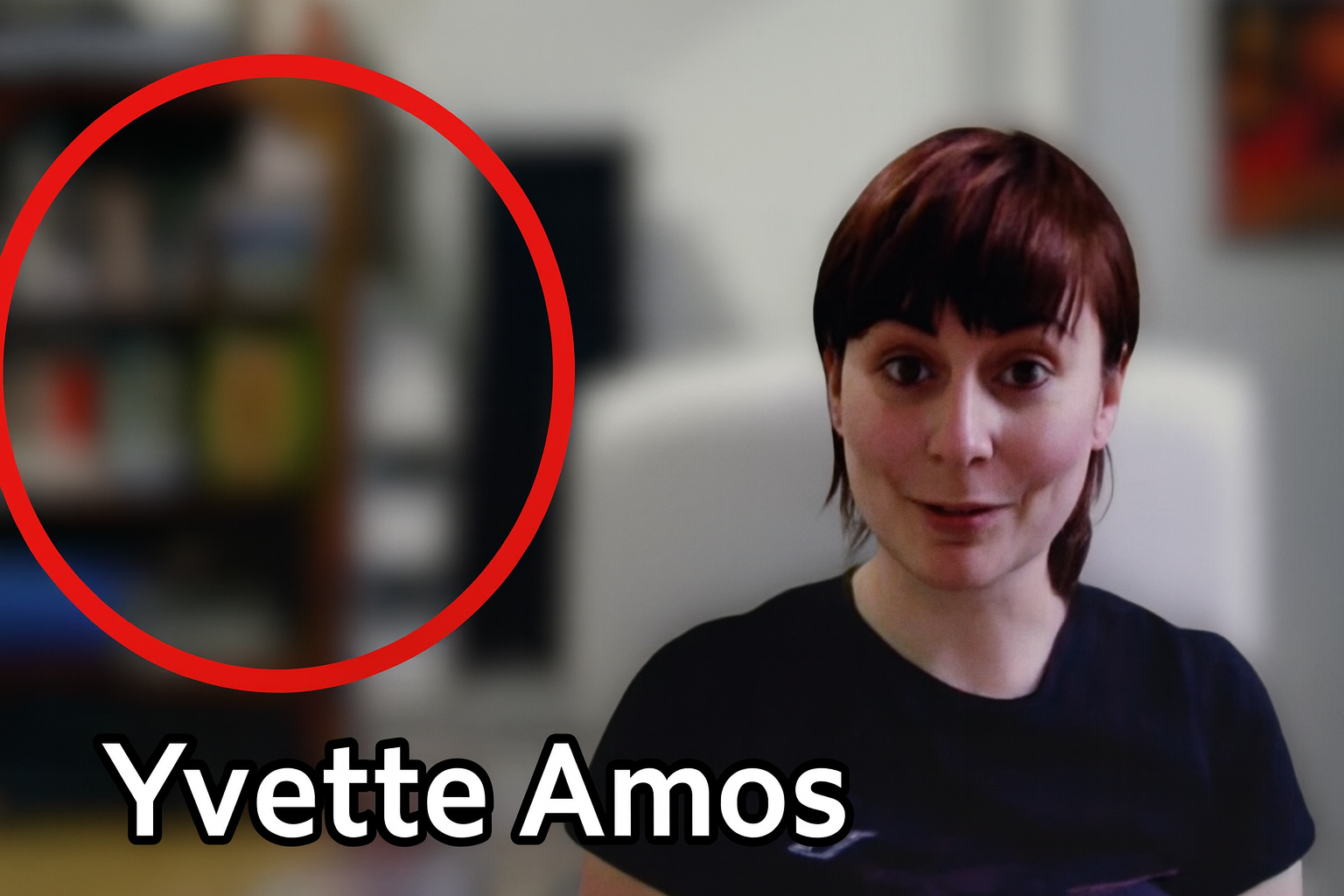
However, viewers became distracted by a large pink object visible on a bookshelf behind her. Screenshots spread rapidly online, turning a serious conversation about employment into an unexpected viral moment.
Before the interview, Amos had contributed to public-health research connected with Cardiff University. Her documented work included research into alcohol intoxication services and their effect on emergency care.
Yvette Amos Quick Profile
| Detail | Verified Information |
|---|---|
| Full Name | Yvette Amos |
| Known For | Viral BBC Wales Today interview |
| Location | Cardiff, Wales |
| University Study | English and popular culture |
| Former University | UWIC, now Cardiff Metropolitan University |
| Research Experience | Cardiff University |
| Documented Research Role | Project manager and research contributor |
| Research Subject | Alcohol intoxication management services |
| Viral Interview Date | 26 January 2021 |
| Interview Topic | Unemployment during the COVID-19 pandemic |
| Public Recognition | Widely shared television interview screenshot |
Who Is Yvette Amos?
Yvette Amos became an unexpected internet personality after appearing as a guest on BBC Wales Today.
She was not appearing as a television presenter or celebrity. She had been invited to discuss her personal experience of unemployment during the pandemic.
The interview placed her briefly within the world of Welsh broadcasting, but the public reaction focused more heavily on her home background than on the issue she was discussing.
Before that appearance, Amos had a documented connection with research projects at Cardiff University.
She was named as a project manager and contributor on studies examining services designed to manage alcohol-related incidents in busy city centres.
Education and Move to Cardiff
Amos moved to Cardiff to study English and popular culture at the University of Wales Institute, Cardiff, commonly known as UWIC.
The institution later became Cardiff Metropolitan University.
A 2019 WalesOnline feature identified her as a 33-year-old Cardiff resident and discussed her experience of loneliness after university friends moved to other cities and countries.
She explained that university had initially made it easier to form friendships, but maintaining those connections became more difficult as people moved away for work.
Her experience reflected a wider issue affecting adults whose social networks change after education, relocation and career changes.
Cardiff has also produced several recognised media and communication professionals, although Amos followed a different route through research and public participation rather than professional broadcasting.
Work at Cardiff University
Amos worked on research connected with Cardiff University before the COVID-19 pandemic affected her employment.
Her documented work was associated with the Crime and Security Research Institute and the Violence Research Group.
She contributed to the Evaluating the Diversion of Alcohol-Related Attendances project, commonly known as EDARA.
The project examined Alcohol Intoxication Management Services, which provide care for people experiencing severe intoxication or minor injuries during busy night-time periods.
These services are intended to reduce unnecessary pressure on emergency departments, ambulance teams and police officers.
Amos was identified as a project manager in published research connected with the study.
Alcohol Intoxication Management Research
The EDARA project compared cities operating alcohol intoxication management services with cities using normal emergency-care arrangements.
Researchers examined emergency-department attendance, ambulance response times, costs, patient experiences and the views of frontline workers.
The study included services ranging from volunteer-led first-aid facilities to more clinically focused centres led by nurse practitioners.
Researchers found that the services were generally popular with patients and frontline staff.
However, the results varied because different cities operated different models, making it difficult to reach one conclusion about effectiveness and cost.
The full NIHR Journals Library study lists Yvette Amos among its authors and research contributors.
Her Contribution to the Study
The final research report provides a clear description of Amos’s work.
It states that she contributed to data collection, the interpretation of findings and the writing of the final report.
An earlier Cardiff University project newsletter also described her interviewing frontline employees at the Cardiff Alcohol Treatment Centre.
Those interviews explored how alcohol-related cases affected emergency-department waiting times, staff morale and patient care.
This work required direct communication with healthcare workers and an understanding of the practical pressures faced by city-centre emergency services.
Her documented contribution was therefore more substantial than simply having her name included in an author list.
She participated in gathering information and helping the research team explain its findings.
Employment During the Pandemic
The COVID-19 pandemic affected many workers in hospitality, education and short-term research positions.
During her BBC appearance, Amos discussed the difficulty of finding employment and feeling overlooked when applying for jobs.
Contemporary coverage reported that she had previously held two jobs.
One was connected with bar work in Cardiff, while the other was a research position at Cardiff University.
Both roles were reported to have ended during the pandemic period.
This employment experience was the reason she had been invited onto BBC Wales Today.
The discussion could have contributed to a wider public conversation about insecure employment, especially among people working across temporary, hospitality and project-based roles.
Instead, one background detail changed the direction of the story.
The BBC Wales Today Interview
Yvette Amos appeared on BBC Wales Today by video link on Tuesday, 26 January 2021.
She sat in a white chair with a bookshelf and several household objects behind her.
The shelf contained books, files and board games, including Articulate! and Scrawl.
A large pink, phallic-looking object was also visible among the items.
Viewers quickly noticed it, and journalist Grant Tucker shared a screenshot on social media with a reminder that television guests should check their shelves before appearing on air.
The image was repeatedly shared, discussed and turned into memes.
Like other unexpected moments in live television broadcasting, the incident demonstrated how quickly a small visual detail can become more memorable than the planned discussion.
What Was the Object?
Most media reports described the pink object as an adult toy.
Some viewers questioned whether it could instead have been a novelty candle, sculpture or joke item.
The available screenshot did not provide a definitive explanation from Amos herself.
The safest description is therefore a large pink object that viewers widely interpreted as a sex toy.
The uncertainty became part of the joke, with social-media users debating whether its position on the shelf had been accidental or intentional.
The original Independent report about the interview recorded both the public reaction and the debate about the item.
Social-Media Reaction
The screenshot spread rapidly across X, Instagram, Facebook and entertainment websites.
Many reactions were humorous rather than hostile.
Viewers described the background as one of the most memorable home-interview settings seen during lockdown.
Some people also praised Amos for appearing calm and focused while discussing a serious personal issue.
The incident occurred during a period when television interviews were regularly conducted from bedrooms, kitchens and home offices.
Audiences had become accustomed to examining bookshelves and household objects behind politicians, journalists and guests.
Amos’s interview became an extreme example of that trend.
How the Serious Topic Became Overlooked
The original subject of the interview was unemployment.
Amos was speaking about losing work and facing difficulties when applying for new positions during an international health and economic crisis.
Those experiences were shared by many people whose jobs depended on hospitality, temporary contracts or projects affected by lockdown restrictions.
However, most later reports gave more attention to the object on her shelf than to her comments about employment.
This contrast is important when considering the story.
The viral image was humorous, but the interview itself had been organised around a real financial and social problem.
Similar shifts can happen in national television interviews when an unexpected visual moment becomes easier to share than the full discussion.
Digital Culture and Remote Interviews
The Yvette Amos incident remains a clear example of how online attention works.
A short screenshot can travel much further than the original television segment.
People who had never watched BBC Wales Today saw the image without hearing the complete interview.
The incident also showed that a person does not need a large following or planned publicity campaign to become internationally visible.
One screenshot posted by a journalist was enough to attract news coverage from several countries.
This form of fame is usually brief and based on one easily understood image or joke.
It can also separate a person’s name from their wider education, work and original reason for appearing in public.
Connection with Welsh Media
Although Amos was only a guest, her television appearance became part of the wider history of memorable Welsh media moments.
BBC Wales Today is a regional news programme covering politics, communities, employment, healthcare and public affairs across Wales.
Its guests often include ordinary residents speaking about issues affecting their lives.
This creates a different type of television appearance from the work of professional presenters and Welsh political journalists.
Amos was invited because her employment experience was relevant to the programme’s coverage, not because she was seeking an entertainment career.
That distinction should remain clear in an accurate profile.
Research Work Beyond the Viral Image
The research record attached to Yvette Amos’s name provides a more complete view of her professional background.
Her work contributed to published analysis of alcohol intoxication services and emergency-care pressures.
She participated in data collection, interpretation and report preparation.
The study involved Cardiff University, the University of Sheffield and researchers from healthcare, public-health and emergency-service backgrounds.
Its results were published in academic and medical sources, including the NIHR Journals Library, Drug and Alcohol Review and the Emergency Medicine Journal.
This documented work gives the article a stronger foundation than treating Amos only as the person visible in a viral screenshot.
Why Yvette Amos Is Still Remembered
Yvette Amos is remembered because the image captured an unusual part of lockdown-era life.
Millions of people were suddenly attending meetings, lessons and interviews from their homes.
Personal and professional spaces became mixed together.
Background mistakes, interruptions and unexpected household objects regularly appeared during live broadcasts.
The Amos screenshot became one of the most widely discussed British examples.
Its simple visual joke was understandable even to people who knew nothing about the original programme or the subject of unemployment.
The moment also showed how the internet can permanently connect an ordinary person’s name with one unplanned image.
Frequently Asked Questions
Who is Yvette Amos?
She is a Cardiff-based former university researcher who became widely known after a viral BBC Wales Today appearance.
Why did Yvette Amos go viral?
Viewers noticed a large pink, adult-looking object on a bookshelf behind her during a television interview.
When did the interview happen?
The BBC Wales Today interview was broadcast on 26 January 2021.
What was she discussing?
She was discussing unemployment and the difficulty of finding work during the COVID-19 pandemic.
Did Yvette Amos work at Cardiff University?
Published research identifies her as a Cardiff University research contributor and project manager.
What did she study?
She studied English and popular culture at UWIC, now Cardiff Metropolitan University.
What research did she work on?
She contributed to studies evaluating alcohol intoxication management services and their effect on emergency care.
Was Yvette Amos a BBC presenter?
No. She appeared as an interview guest sharing her experience of unemployment.
Conclusion
Yvette Amos became famous because of an unexpected detail visible during a BBC Wales Today video interview.
The viral screenshot brought laughter during a difficult stage of the pandemic, but it also distracted attention from the unemployment experience she had been invited to discuss.
Her background includes university study in Cardiff and documented work on public-health and emergency-care research.
She contributed to data collection, interpretation and writing for a major evaluation of alcohol intoxication management services.
An accurate account of Yvette Amos should therefore include both sides of her public story.
She was the guest at the centre of a memorable internet moment, but she was also a research contributor speaking publicly about the real effect of pandemic job losses.