Andy Townsend: The Powerful Rise of a Football Leader and Media Voice
From Non-League Grit to International Captain and Respected Broadcaster

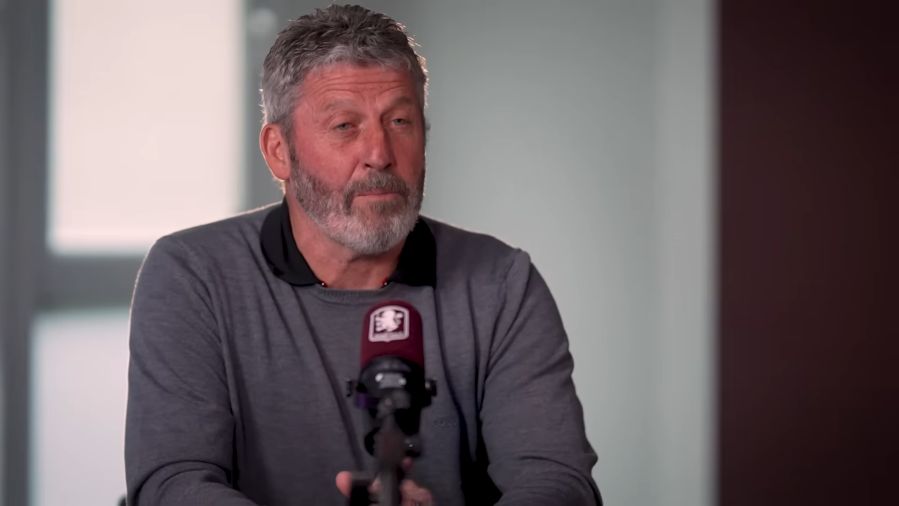
Table of Contents
ToggleIntroduction
Andy Townsend is a name that commands respect in football circles, not only for his achievements on the pitch but also for his authoritative presence behind the microphone. Known as a former footballer and sports commentator, Andy Townsend’s career reflects resilience, discipline, and leadership. His journey from non-league football to captaining the Republic of Ireland at the FIFA World Cup stands as a powerful example of determination meeting opportunity.
At the same time, Townsend’s story is not without challenges. Injuries tested his physical limits, and the transition from player to pundit required reinvention. Yet, both the positive and difficult chapters of his life shaped him into one of football’s most recognizable and trusted voices. This article explores Andy Townsend’s life, career, and legacy in depth.
Quick Bio: Andy Townsend
| Attribute | Details |
|---|---|
| Full Name | Andrew David Townsend |
| Known As | Andy Townsend |
| Date of Birth | 23 July 1963 |
| Age | 62 (as of 2025) |
| Birthplace | Maidstone, Kent, England |
| Nationality | English-born, represented Republic of Ireland |
| Profession | Former footballer and sports commentator |
| Playing Position | Midfielder |
| Height | 1.80 m (5 ft 11 in) |
| Father | Don Townsend (former professional footballer) |
| Spouse | Jackie Townsend |
Early Life and Football Foundations
Andy Townsend was born in Maidstone, Kent, and grew up in Bexley, southeast London. Football was part of his environment from an early age, largely due to the influence of his father, Don Townsend, who played professionally. This exposure helped Andy understand the discipline and commitment required to succeed in the game.
Before football became his full-time profession, Townsend lived a grounded life. He worked as a computer operator for Greenwich Borough Council while playing non-league football. This period shaped his work ethic and humility, qualities that later defined him as a player and leader. His early years highlight a positive lesson: elite football careers do not always begin in academies; persistence can open unexpected doors.
Start of Career and Rise Through the Ranks
Andy Townsend began his senior football career in 1980 with Welling United. At that stage, professional football seemed distant, and progress was slow. This phase of his career also shows a negative reality of football: talent alone is not always enough, and recognition can take time.
His move to Weymouth marked improvement, and his performances eventually earned him a professional contract with Southampton in 1985. This step into league football was a turning point. Townsend’s steady improvement reflected his tactical intelligence and physical strength, qualities that would define his midfield role for years.
Club Career Overview
Townsend’s club career spanned two decades, during which he played for several notable English clubs. His time at Norwich City brought him wider attention, while his spell at Chelsea cemented his reputation as a reliable and commanding midfielder. He was named Chelsea Player of the Year in the 1990–91 season, a positive recognition of his influence on the team.
His most successful period came at Aston Villa, where he won two Football League Cups. However, not every chapter was easy. Later stages of his career at Middlesbrough and West Bromwich Albion were increasingly affected by physical strain. Despite these challenges, Andy Townsend retired with 638 club appearances and 52 goals, an impressive record that reflects consistency and longevity.
International Career with the Republic of Ireland
Andy Townsend’s international career is one of his most defining achievements. Although born in England, he represented the Republic of Ireland from 1989 to 1997, earning 70 caps and scoring 7 goals. His leadership qualities were fully recognized when he captained Ireland at the 1994 FIFA World Cup.
The 1990 and 1994 World Cups remain highlights, particularly Ireland’s quarter-final run in 1990. On the positive side, Townsend became a symbol of determination and unity for Irish football. On the negative side, the physical demands of international competition added to the wear on his body, contributing to injuries later in his career.
Playing Style and On-Field Leadership
Andy Townsend was known as a hard-working, box-to-box midfielder. He combined physical strength with tactical awareness, often acting as the link between defense and attack. His leadership was evident not through flamboyance, but through consistency and discipline.
While he was not the most technically flashy player, his reliability made him invaluable. This balance of strengths and limitations made him a respected figure among teammates and managers alike, reinforcing his reputation as a leader rather than a showman.
Injury and Retirement
In 2000, Andy Townsend retired from professional football due to a recurring knee injury. This marked a difficult but necessary decision. Injuries represent one of the harsh realities of football, often forcing players to end careers earlier than planned.
Despite this setback, Townsend’s retirement did not signal an end to his involvement in the sport. Instead, it marked the beginning of a new chapter, proving that adaptability is as important as talent.
Life After Football: Media and Commentary
After retiring, Andy Townsend successfully transitioned into broadcasting. As a former footballer and sports commentator, he became a familiar voice on ITV Sport, later working with BBC Radio 5 Live, TalkSport, and BT Sport. His analysis is known for clarity, honesty, and authority.
This phase of his career highlights a positive transformation. While some former players struggle to find direction, Townsend built a second career based on knowledge and communication. At times, his direct opinions attracted criticism, but this honesty also earned him credibility with audiences.
Legacy and Influence
Andy Townsend’s legacy extends beyond trophies and caps. He represents the value of perseverance, leadership, and professionalism. Rising from non-league football to international captaincy, his story resonates with aspiring players who face obstacles early in their careers.
Equally important is his influence as a broadcaster. By bridging the gap between fans and the game, Townsend has helped shape public understanding of football tactics and culture. His career shows both the rewards and sacrifices of a life dedicated to sport.
Conclusion
Andy Townsend’s journey is a powerful narrative of growth, resilience, and reinvention. From modest beginnings to the global stage of the World Cup, and later to a respected media career, he has consistently demonstrated commitment to football. While injuries and challenges tested him, they did not define him.
As a former footballer and sports commentator, Andy Townsend remains an influential figure whose story continues to inspire. His life proves that success in football is not only about talent, but also about character, patience, and the willingness to evolve.
Frequently Asked Questions (FAQ)
Who is Andy Townsend?
Andy Townsend is a former footballer and sports commentator, best known for captaining the Republic of Ireland at the 1994 FIFA World Cup and for his later work in football broadcasting.
What position did Andy Townsend play?
He played as a midfielder, known for his box-to-box role and leadership qualities.
Which clubs did Andy Townsend play for?
He played for Welling United, Weymouth, Southampton, Norwich City, Chelsea, Aston Villa, Middlesbrough, and West Bromwich Albion.
Why did Andy Townsend retire from football?
He retired in 2000 due to a recurring knee injury.
What does Andy Townsend do now?
After retirement, he became a football pundit and commentator, working with major sports broadcasters.