Climb Kilimanjaro: A Simple Guide for Time, Best Season, and the Whole Experience

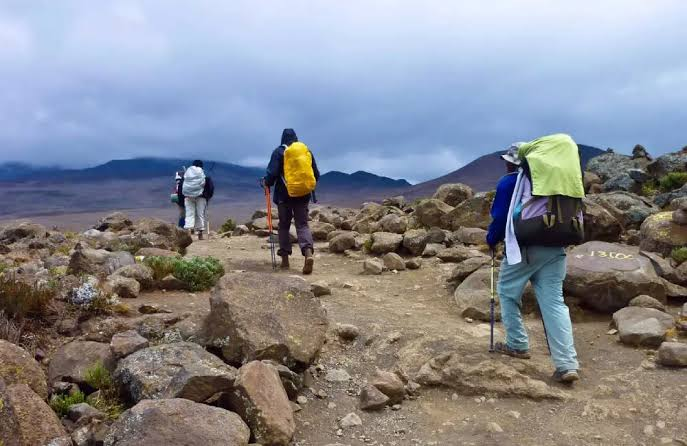
Climbing Kilimanjaro always sounds like a big dream for many people, and really it becomes a dream come true when someone starts walking on that huge mountain path in Tanzania. This big mountain, the tallest in all of Africa, gives a mix of adventure, fear, joy, tired legs, and huge happiness when reaching the top. Many people think about how it feels, how long it takes, and when the best time to go is. So this long article explains all details in a simple way, with sentences that are easy to read and that flow nicely, even if some parts look a little rough. The whole idea is to make you feel like you are already on the mountain.
Why People Love to Climb Kilimanjaro
Mount Kilimanjaro stands 5,895 meters tall, and many climbers call it the “Roof of Africa.” It does not need any advanced climbing skills, but it needs strong will and a good body because high altitude makes things slow and heavy. People from many countries come because they want to see the sunrise above the clouds, they want to feel the big nature, and they want to push themselves to new limits. The mountain is a combination of forest, desert, rocky land, and icy top, all in one journey. This makes climbing very special, like walking from warm summer to cold winter in a few days.
Also Kilimanjaro does not require ropes, ice axes, or special mountaineering tools. Many normal trekkers can do it if they prepare a little bit. This is one reason why so many travelers choose this mountain over others in Africa.
How Long Does It Take to Climb Kilimanjaro?
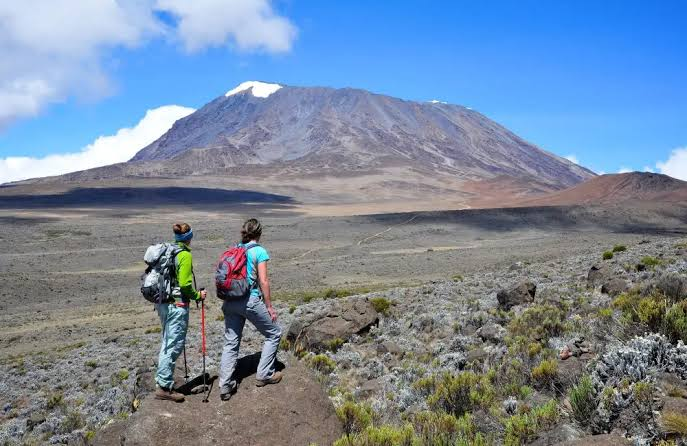
This question everybody asks first. How Long Does It Take to Climb Kilimanjaro? Best answer: it depends on the route, but most people take 6 to 9 days. Shorter days are possible, but not good because the body does not get time to adjust to altitude. Slower is better on Kilimanjaro.
Here is a simple breakdown for popular routes:
- Marangu Route – 5 to 6 Days
Marangu is an old route and people call it the “Coca-Cola Route.” It has a hut for sleeping, so no camping if you choose this route. But because it is short, many people feel an altitude problem. So 6 days are safer than 5 days. The trail is nice but a little crowded in the high season.
- Machame Route – 6 to 8 Days
Machame is very famous because it has beautiful scenery everywhere. You walk through forest, volcano rock, and big glacier views. Most people take 7 days to make acclimatization better. Success rate is higher here because extra days help the body adjust.
- Lemosho Route – 7 to 9 Days
This route is very scenic and less crowded at the beginning. It joins the Machame route later. Many climbers say this is the most beautiful way to climb Kilimanjaro. It is long, but because it is long, it also increases the chance to reach the top. 8 days is most common.
- Rongai Route – 6 to 7 Days
Rongai starts from the north side near the Kenya border. It is a dry route and good during the rainy season because there is less rain here. The trail is easy for many trekkers and has a steady climb, so it’s good for those who want a quieter path.
- Northern Circuit – 8 to 9 Days
This one is the longest route around the mountain. But the success rate is very high because of slow and perfect acclimatization. The views are incredible and very peaceful. People who want the full experience choose this.
Why More Days Make a Better Climb
Altitude sickness is a big problem on Kilimanjaro. When climbing too fast, head pain, nausea, and low energy come. But when climbing slowly, the body accepts the height better. That is why 7 or 8 days make a huge difference. Many guides always say “pole pole,” meaning “slow slow” in Swahili. This slow walking is the secret to success.
So if someone asks how long it takes, the simplest answer is: 7 days is good for most people. Less than that only for very experienced trekkers.
What Happens Each Day on Kilimanjaro
Most days on Kilimanjaro follow a similar pattern. Wake up early, drink tea or coffee, eat a simple breakfast like porridge, eggs, or bread, then start walking. You walk 4 to 7 hours each day. Sometimes uphill, sometimes flat, sometimes deep rocky steps. In the afternoon you reach camp, eat lunch, rest a little, and then maybe acclimatize. In the evening you get a hot dinner and sleep early.
The last day, summit day, is the hardest. You wake up around midnight and climb in the dark for many hours with a headlamp, cold wind hitting your face. But when the sun comes out, the whole world below you turns a gold color and you see Africa like a map. When you reach Uhuru Peak, you feel strong emotion; sometimes tears come out of you without asking.
Best Time to Climb Kilimanjaro
The weather on Kilimanjaro changes fast, and some months give clear skies, and some months give rain and cloudy views. The best time to climb Kilimanjaro is mostly during the dry season. Two big dry seasons:
- January to March
This time the weather was a little cold on top but very clear. Less crowded than the mid-year season. Snow on the summit can be little more but the scenery is beautiful. Many people like this season because it feels peaceful.
- June to October
This is the most popular climbing time. The weather is dry, the sky is clear, and the trails are busy. July, August, and September are peak months. The temperature is good for walking but summit night is very cold. But overall this is the safest season because there is less rain and mud.
Months That Are Not Very Good
April and May: heavy rainy season. Trails are slippery and clouds hide views. Only a few people climb these months.
November: short rains. It is not too bad like April, but still wet and not comfortable for many trekkers.
So the easiest answer: Best time is January–March and June–October.
Weather Experience on Kilimanjaro
One special thing about Kilimanjaro weather is you walk through five climate zones. It feels like a different world every day.
- Rainforest Zone: warm, humid, green trees, monkeys jumping, and birds sounding.
- Heather and Moorland: cooler, open spaces, small plants.
- Alpine Desert: dry, windy, dusty, like walking on Mars.
- Arctic Zone at Summit: freezing, thin air, snow and ice.
So you need clothing for both warm and super cold weather. Weather at the top can drop below –10°C to –20°C at night.
Tips to Make Climbing Easy and Safe
Climbing Kilimanjaro is a dream achieved by thousands every year, but only because they prepare well. Here are some simple tips:
Walk slowly.
Even if you are strong, walk slowly. The body needs time. If you run or walk fast, altitude hits you hard.
Drink Plenty of Water
3 to 4 liters per day. Water keeps the body strong and helps avoid headaches.
Eat Enough
High altitude burns energy fast. Even if you have no appetite, eat something. Guides and cooks prepare warm meals every day.
Sleep Well and Stay Positive
Good rest is important. And a positive mind helps more than anything. When tired, tell yourself one more step.”
Wear Proper Clothing
Layer system is important. Warm jacket, hat, gloves, and thermal wear. The weather changed suddenly.
Train Before Climbing
Do some hiking, stair climbing, or long walks. Strong legs help big time.
How the Summit Night Feels
Summit night is the biggest moment of the whole climb. Many people feel nervous because they hear it very hard. Yes, it is tough but also beautiful. You start at midnight, following the guide in line, with only the sound of wind and your breathing. The sky is full of stars. Sometimes the moon is bright enough that you don’t need a headlamp.
The cold hits hard, but you keep walking slowly. Around 5 AM, sunrise starts. Orange light spreads on the horizon and clouds below your feet look like the ocean. When you reach Stella Point or Uhuru Peak, you feel like the world has stopped. All tiredness suddenly disappears. Many climbers hug, cry, smile, or just stand silently watching the view. This moment stays forever in memory.
What Happens After Reaching Uhuru Peak
After the top, you take photos, celebrate for a few minutes, then come down because the air is too thin. Descent is easier but legs feel shaky. Back to camp for a hot meal and a long rest. The next day you exit the mountain, and when you reach the hotel in Moshi or Arusha, the warm shower feels like heaven.
Why Climbing Kilimanjaro Changes Many People
When someone climbs Kilimanjaro, they challenge themself. They leave comfort, walk in the cold, sleep in a tent, eat simple foods, and push against altitude. But when they reach the top, they learn something big: they are stronger than they thought. Many people say climbing Kilimanjaro changes their life because it shows what the human spirit can do.
Also meeting porters and guides on the mountain is amazing. These people are friendly and strong, singing songs like “Kilimanjaro Hakuna Matata” and motivating you every day. They make the journey beautiful and safe.
Short Summary for Easy Reading
- Climbing Kilimanjaro is an adventure with big emotions and beautiful scenery.
- It takes 6 to 9 days depending on the route.
- More days mean better success because slow climbing helps the body adjust.
- Best routes: Machame, Lemosho, Rongai, Marangu, and Northern Circuit.
- Best time to climb: January–March and June–October.
- The weather changes fast and the summit night is very cold.
- Prepare by training, drinking enough water, and walking slowly.
- Reaching Uhuru Peak gives a life-changing feeling.
Final Thoughts
Climbing Kilimanjaro is not just reaching the highest point in Africa. It is a journey from forest to ice, from comfort to challenge, from normal breathing to thin air, and from doubt to confidence. Many travelers say it became one of the greatest moments in their whole life. With the right season, enough days, and a slow pace, almost anybody with determination can stand on that beautiful summit.
So if you dream of climbing Kilimanjaro, the best time is to choose dry months, give yourself enough days, and just go slowly. Mountains will welcome you, show you magic views, and give you memories you carry forever.