David Sainsbury: A Powerful Legacy of Business, Public Service, and Philanthropic Vision
The disciplined mind behind modern British retail influence and a steady hand in national science leadership

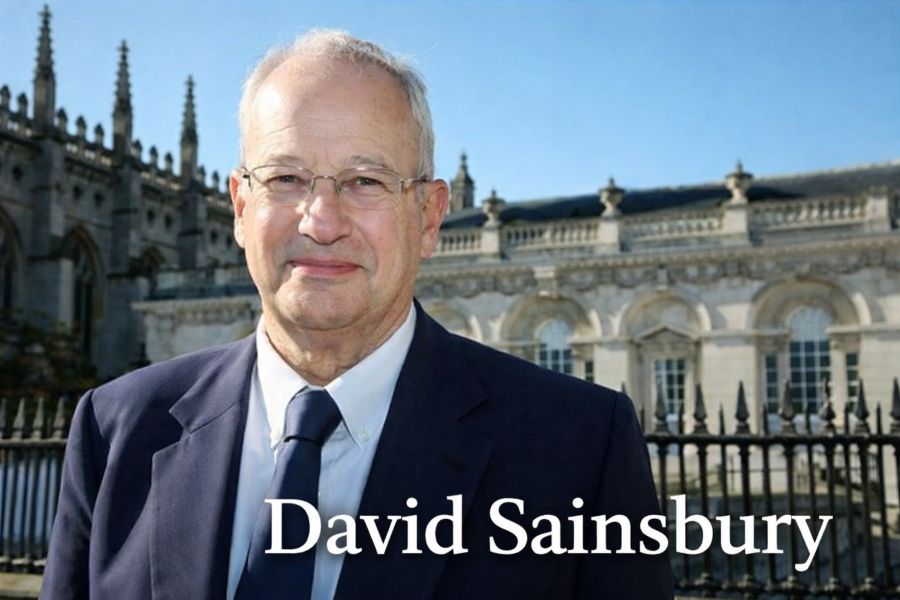
Table of Contents
ToggleIntroduction
David Sainsbury stands as one of Britain’s most influential figures at the intersection of business, public service, and long-term philanthropy. Known formally as David John Sainsbury, his life reflects a careful balance between inherited responsibility and personal conviction, shaped by decades of leadership in retail, government, and education.
While widely respected for his thoughtful approach and strategic patience, his career has not been without criticism, particularly during periods of intense competition in the UK grocery sector. This mix of achievement and challenge makes David Sainsbury a compelling figure whose story continues to shape public debate and institutional progress.
Quick Bio
| Attribute | Details |
|---|---|
| Full Name | David John Sainsbury |
| Title | Baron Sainsbury of Turville |
| Date of Birth | 24 October 1940 |
| Nationality | British |
| Profession | Businessman, Politician, Philanthropist |
| Education | Eton College; King’s College, Cambridge; Columbia Business School |
| Known For | Leadership at J Sainsbury plc; Minister for Science and Innovation |
| Notable Role | Chancellor of the University of Cambridge |
| Spouse | Susan Carroll, Lady Sainsbury |
| Children | Three daughters |
Early Life and Family Background
David Sainsbury was born in England into the Sainsbury family, a household already deeply associated with British retail and public-minded philanthropy. Growing up within this environment meant that discussions of responsibility, stewardship, and long-term thinking were a natural part of daily life.
His upbringing was shaped by exposure to both commerce and culture, setting expectations that success carried obligations beyond profit. This early grounding influenced his later emphasis on sustainable institutions rather than short-term gains.
Education and Intellectual Formation
Educated at Eton College, David Sainsbury received a traditional British elite schooling that emphasised discipline, leadership, and analytical thinking. He later studied history and psychology at King’s College, Cambridge, where his interest in human behaviour and institutional systems began to deepen.
His academic journey continued at Columbia Business School in the United States, where he earned an MBA. This combination of humanities and business education helped shape a leadership style grounded in evidence, structure, and long-term planning rather than instinct alone.
Entry into the Family Business
David Sainsbury joined J Sainsbury plc in 1963, entering the business not as a figurehead but in operational roles that exposed him to the realities of large-scale retail management. This early experience allowed him to understand the company from within before assuming greater responsibility.
By steadily moving through management and financial leadership positions, he developed a reputation for caution, precision, and financial discipline. These traits later became defining characteristics of his leadership at the highest levels of the company.
Leadership at J Sainsbury plc
As Finance Director and later Chairman, David Sainsbury played a central role in guiding the company through expansion and increasing competition. His tenure coincided with major changes in the British retail landscape, demanding careful investment decisions and organisational restructuring.
While his leadership strengthened financial controls and long-term stability, critics argued that the company moved too cautiously during periods of rapid market change. This contrast highlights both the strength and the perceived limitation of his methodical approach.
Transition to Public Service
In 1997, David Sainsbury stepped away from corporate leadership and entered public life as a member of the House of Lords. This transition marked a significant shift from private enterprise to national policymaking, particularly in areas tied to research and innovation.
His move into government was driven by a belief that science and education were essential to the United Kingdom’s future competitiveness. Rather than adopting a high-profile political persona, he focused on policy depth and continuity.
Minister for Science and Innovation
Serving from 1998 to 2006, David Sainsbury became one of the longest-serving ministers in the science and innovation portfolio. His work emphasised stable funding, institutional collaboration, and long-term research planning rather than headline-driven initiatives.
Supporters credit this period with strengthening the UK’s research base and improving links between universities, industry, and government. Detractors, however, felt the pace of reform was sometimes slower than the evolving global technology landscape demanded.
Chancellor of the University of Cambridge
David Sainsbury’s election as Chancellor of the University of Cambridge reflected his long-standing commitment to higher education and research excellence. In this ceremonial yet influential role, he supported the university’s global mission and institutional stability.
His presence reinforced Cambridge’s emphasis on rigorous scholarship and public value, aligning closely with his broader belief that knowledge institutions must serve society over generations rather than political cycles.
Philanthropy and the Gatsby Charitable Foundation
Founded in 1967, the Gatsby Charitable Foundation represents one of David Sainsbury’s most enduring contributions. Through this organisation, he has supported science education, plant science, public policy research, and international development.
Rather than pursuing high-visibility donations, his philanthropy focuses on strategic, long-term impact. This approach has earned respect for its effectiveness, even as it avoids the public spotlight often associated with large-scale giving.
Personal Life and Values
David Sainsbury is married to Susan Carroll, Lady Sainsbury, and they have three daughters. His personal life has remained largely private, reflecting a preference for discretion over publicity.
His values consistently emphasise responsibility, evidence-based decision-making, and institutional strength. These principles have guided both his business decisions and his approach to public service.
Public Perception and Criticism
Admired for his integrity and thoughtful leadership, David Sainsbury is often described as a steady and principled figure. His commitment to public institutions and long-term planning stands out in an era often dominated by short-term thinking.
At the same time, critics argue that caution can limit responsiveness in fast-moving markets and political environments. This tension between stability and adaptability defines much of the debate around his legacy.
Conclusion
David Sainsbury’s life reflects a powerful combination of inherited responsibility and personal conviction. From shaping one of Britain’s leading retailers to strengthening national science policy and supporting global education, his influence extends across sectors and generations.
His story demonstrates that leadership rooted in patience, evidence, and long-term vision can leave a lasting imprint, even when it invites debate. As a businessman, public servant, and philanthropist, David John Sainsbury remains a defining figure in modern British public life.
Frequently Asked Questions
Who is David Sainsbury?
David Sainsbury is a British businessman, politician, and philanthropist known for his leadership at J Sainsbury plc and his role as Minister for Science and Innovation.
What is David Sainsbury best known for?
He is best known for his contributions to British retail, science policy, and long-term philanthropy through the Gatsby Charitable Foundation.
What is David John Sainsbury’s connection to Cambridge?
He served as Chancellor of the University of Cambridge, supporting its mission in education and research.
Is David Sainsbury involved in politics?
Yes, he served in the House of Lords and held a ministerial role focused on science and innovation.
What defines David Sainsbury’s legacy?
His legacy lies in disciplined leadership, commitment to public institutions, and a belief in long-term investment in knowledge and society.