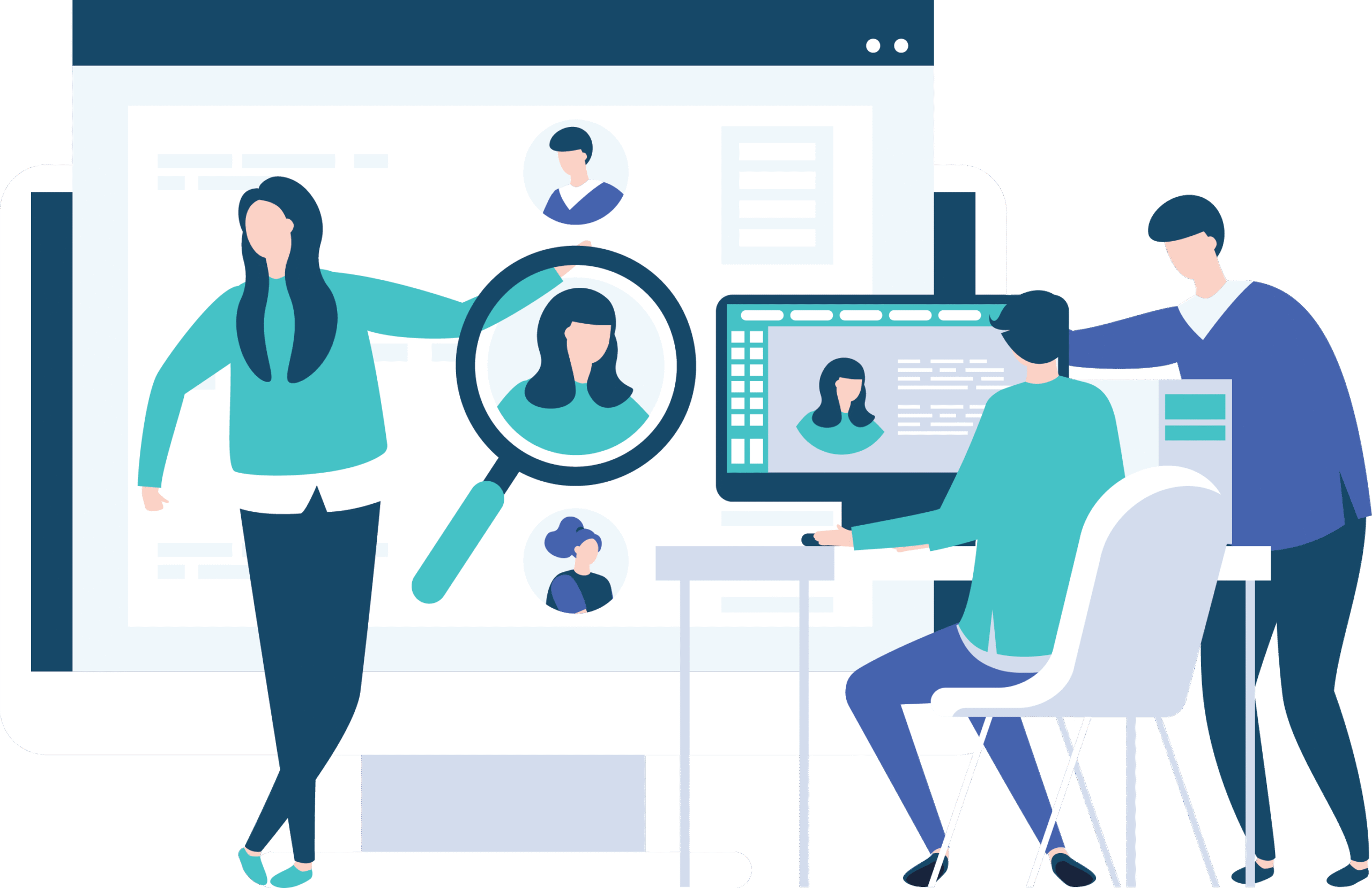
In today’s competitive job market, making the right hiring decisions has never been more crucial. Employers face the constant challenge of identifying candidates who not only possess the required skills but also align with company values and culture. This is where pre-employment testing software comes into play, offering a strategic advantage to businesses aiming to improve their recruitment process.
Understanding Pre-Employment Testing Software
Pre-employment testing software is a tool designed to evaluate job candidates through a series of assessments before they are hired. These assessments can measure a variety of competencies, including cognitive ability, personality traits, job knowledge, and specific skills relevant to the role. The goal is to provide employers with reliable data that aids in making more informed hiring decisions.
The Rise in Popularity
More companies are turning to these solutions due to the numerous benefits they offer. Traditional hiring methods like resumes and interviews often fail to paint a complete picture of a candidate’s potential. Interviews can be influenced by bias or nerves, and resumes may exaggerate qualifications. Pre-employment testing software eliminates much of this uncertainty by delivering objective, standardized results that are difficult to fake.
Key Features and Benefits
One of the biggest advantages of using pre-employment assessments is their ability to streamline the hiring process. Automated scoring and detailed reporting save time for HR teams while improving the overall candidate experience. Here are a few key benefits:
- Improved Quality of Hires: By identifying top performers early, employers can focus on candidates with the highest potential to succeed.
- Reduced Turnover Rates: Employees who are a good fit for the role and company culture are more likely to stay long-term.
- Consistency and Fairness: Standardized testing ensures every applicant is evaluated on the same criteria, reducing unconscious bias.
- Data-Driven Decisions: With objective results in hand, hiring managers can make more accurate decisions backed by real insights.
Types of Assessments Used
The type of test selected often depends on the position and industry. Some common types include:
- Cognitive Ability Tests: Measure reasoning, memory, verbal, and mathematical abilities.
- Personality Assessments: Evaluate behavioral traits and how well a candidate may fit within the team dynamic.
- Skills Tests: Assess hands-on ability with tasks like data entry, writing, or technical troubleshooting.
- Situational Judgment Tests: Present hypothetical scenarios to evaluate decision-making skills.
Applications Across Industries
Pre-employment testing is not limited to any one industry. In tech, it helps screen candidates for coding or IT roles. In customer service, personality tests can assess patience and communication skills. Even in healthcare, simulations and cognitive assessments are being used to measure attention to detail and critical thinking.
Small businesses, too, can benefit significantly. With fewer resources and less margin for hiring error, these tools provide invaluable support in identifying the right fit early on.
Challenges and Considerations
While highly beneficial, pre-employment testing software should be implemented thoughtfully. It’s essential to ensure that tests are valid, job-relevant, and legally compliant. Poorly designed assessments can result in unfair discrimination or inaccurate evaluations. Organizations should also balance the software’s recommendations with other hiring insights such as interviews and references.
Another consideration is candidate perception. Applicants should be informed about the purpose of testing and how the results will be used. Clear communication helps build trust and ensures a positive candidate experience.
The Future of Hiring
As artificial intelligence and machine learning continue to evolve, pre-employment testing software will become even more sophisticated. These technologies will enable deeper analysis of candidate responses and predictive hiring outcomes, making the process more efficient and accurate.
Moreover, remote hiring trends are driving the demand for online testing platforms. Businesses are now able to assess candidates from anywhere in the world, expanding their talent pool without sacrificing the integrity of their hiring standards.
Final Thoughts
Pre-employment testing is no longer a luxury reserved for large corporations—it’s becoming a critical part of modern recruitment strategies. When implemented correctly, it enhances fairness, saves time, and improves the quality of hires. As the business landscape becomes more competitive, using reliable tools like pre-employment testing software offers a smart way forward for any organization aiming to build strong, capable teams.