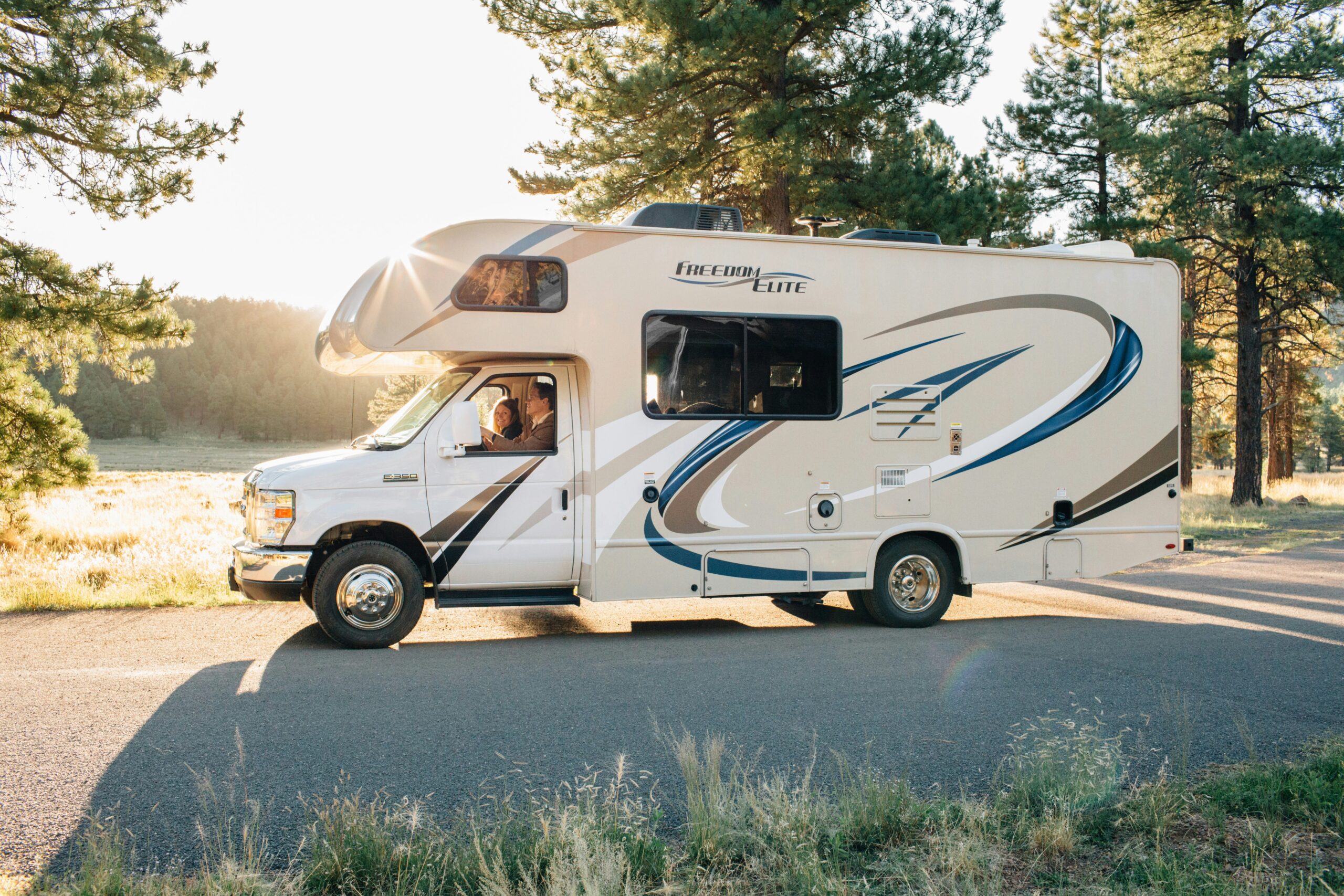
RV travel hits a sweet spot. You’re moving through new places with your home right there with you. No cramped little car. No rushing through airports. Just space to breathe and explore at your own pace.
But an RV trip only feels relaxing when the behind-the-scenes stuff is handled ahead of time. That’s the part most people underestimate. Once you sort that out, the trip opens up. You focus more on the fun and less on the constant “please don’t let something go wrong today” tension.
Below is a guide that keeps things simple, practical, and very doable.
Prep, plan, and pack
A bit of upfront effort makes the whole journey easier. You don’t need a perfect plan. You just need a plan that keeps the stress low.
Plan your route realistically
Before you leave, take a bit of time to map out where you’re actually going. Not because you need a rigid schedule, but because a little planning can save you from hassles that derail a good day on the road.
- Start by checking for anything that could trip you up, like road restrictions, low bridges, steep passes, construction, or seasonal closures. RVs do not handle surprises well, so the more you know upfront, the better.
- Use a reliable GPS and download offline maps. Signal drops happen in the most inconvenient places, and you do not want to be guessing your way through a mountain pass with no reception. Having an eSIM or mobile data plan can also help you stay connected even in remote areas.
- Mark a few potential stops along the way. Scenic viewpoints, rest areas, small towns with decent food, anything that breaks up the drive and gives you something to look forward to.
Tip: Keep the whole route flexible. Weather shifts, your energy dips, or traffic flares up. Leave yourself room to adjust without feeling like you have ruined the plan.
Make sure your RV is safe and road-ready
A quick mechanical check can save you a lot of frustration later.
Look over the basics:
- Tyre pressure and tread.
- Oil, coolant, and brake fluids.
- Brake condition.
- Propane, water systems, and holding tanks.
- All hookups for electricity, water, and sewer.
Before all that, make sure you’re starting with a good RV. A solid rental makes the entire trip easier. You want something reliable, clean, and backed by a company that actually supports you when you need it.
Indie Campers is one option with a wide network across the US, so if you ever need to hire RVs in San Francisco, Los Angeles, Seattle, or New York, you’re sorted. They also operate across Europe, plus locations in Australia and New Zealand.
That kind of coverage helps with backup plans, one-way trips, and general peace of mind. Just remember to read the fine print and skim recent reviews before you commit.
And keep an emergency kit in one place so you’re not scrambling later. A few tools, basic spares, and a first-aid kit go a long way.
Pack to keep the RV calm and organised
A tidy RV makes the trip easier. When everything has a place, you spend less time digging for things and more time on the road.
What helps:
- Packing list for cooking, sleeping, and relaxing. Include utensils, cookware, bedding, and small comforts. A list stops you from forgetting essentials.
- Baskets, soft bags, and organisers. Keep food, toiletries, and electronics in containers for quick access and clear surfaces.
- Mini emergency bundle. Flashlights, batteries, a weather radio, basic tools, and a small first-aid kit.
- Clothing for mixed temperatures. Nights can be cold and afternoons warm. Pack layers, rain gear, and comfortable shoes.
Sort out your campground plans ahead of time
Where you stay can make or break your trip. A calm, clean campsite makes everything feel easier and more relaxed. Start by checking reviews and photos from recent visitors. It gives you a real sense of what you’re walking into.
Next, look at what’s actually available. Amenities sometimes aren’t what the website promises, and knowing what you can count on ahead of time saves a lot of frustration. Take a minute to read the rules, too. Quiet hours, generator limits, and pet policies vary, and it’s better to be prepared than surprised.
If you’re travelling during a busy season, book early. You don’t want to turn up after a long drive only to find every spot full. And one small thing that makes a big difference: bring leveling blocks. Campsites are rarely perfectly flat, and having them makes setup and sleeping much more comfortable.
Hit the road with confidence
Once you’re moving, your focus shifts from planning to managing the trip as it unfolds. Comfort, safety, and keeping simple routines in place make a big difference in how smooth the journey feels.
Take charge of driving your RV
Driving an RV is not the same as driving a car, so give yourself time to get used to its size, weight, and handling. Hold a steady speed rather than constantly accelerating and braking. It saves fuel and keeps the drive calmer.
Take regular breaks, even if you don’t feel tired at first. Stretching, walking around, and just stepping away from the wheel can help you stay alert and avoid fatigue.
Before you hit the road, check for seasonal road closures or areas that may be difficult to navigate at certain times of year. Snow, ice, or even heavy rain can make some routes tricky or unsafe for an RV, and knowing this ahead of time lets you plan safer alternatives.
If you’re new to RV driving, practice turns, reversing, and parking in quiet spots before you hit busy roads or tight campgrounds. A little practice goes a long way toward preventing stress on the road.
Keep comfort and entertainment simple
Comfort is often underestimated. A proper night’s sleep and a space where you can relax make long drives and busy days much easier. Bring bedding that actually feels good and set up your seating so everyone can move comfortably.
Keep snacks and drinks within reach so you don’t have to stop constantly, and plan a few easy entertainment options for downtime. Download shows, playlists, or pack a few board games — something to fill quiet moments without adding stress.
Stay on top of supplies
RVs have limits, and you notice quickly if you don’t stay on top of them. A few simple checks and habits make the trip much smoother:
- Check fresh water levels regularly. You don’t want to run out mid-morning or mid-drive.
- Monitor holding tanks. Empty them before they get close to full to avoid spills or extra stress.
- Keep propane topped up. Cooking and heating rely on it, so refill before it gets low.
- Stock groceries and cooking essentials. Stop at local markets or rest areas to pick up fresh food and basics.
- Bring the right camping cookware. Pots, pans, utensils, and a small cutting board make meal prep faster and easier.
- Organise your supplies logically. Store food, water, and cooking items where you can reach them quickly while on the move.
You want to plan ahead rather than react. Refill and restock before you absolutely need to. Avoid the stress of running out of essentials in the middle of a trip.
Expect the unexpected
Things will go wrong at some point. The goal isn’t to avoid every problem; it’s to be prepared so you don’t panic when it happens.
Keep a list of repair shops and towing services along your route. Have backup spots ready if weather, traffic, or campsite issues force a change. Check the weather daily and adjust your plans early. A bit of preparation here turns potential stress into something manageable.
Finally, focus on the moments that matter
At the end of the day, an RV trip is about the experience, not just the logistics. Give yourself permission to slow down and explore. Say yes to small detours and take the extra time to check out a roadside attraction or a scenic overlook. Often, these unplanned stops become the most memorable parts of the trip.
Talk to locals and fellow travellers. They know hidden gems, quiet trails, or the best spots to grab a meal that are not in any guidebook. Even a short conversation can open up experiences you would have otherwise missed.
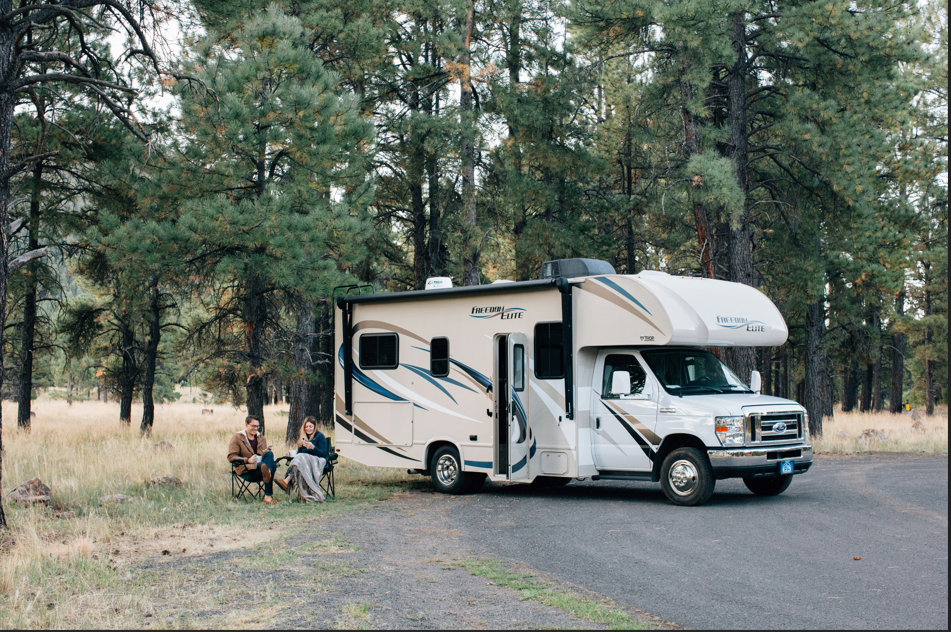
Notice the quieter moments. A slow morning with coffee outside the RV, a shared meal after a long drive, or the feeling of an empty road stretching ahead. These are the experiences that stick.
You can also create small rituals to make the trip feel richer. Take a photo at every campsite sunrise, plan a picnic in a park along the route, or spend an evening stargazing. These little actions turn ordinary travel days into something you actually remember.
Getting to the part you’ll remember
Every RV trip has a moment where everything finally clicks. It might be a quiet morning with a cup of coffee. It might be a random detour that leads to a view you didn’t plan for. It might just be the feeling of pulling into a campsite and realising you handled the day well.
All the prep you’ve done up to this point is about clearing the way for those moments. When the route is sorted, the RV is safe, and the essentials are in order, you can relax into the trip instead of constantly managing it. That’s when the memories actually start to form.
Give yourself the chance to enjoy the simple parts. The slow drives. The stops you didn’t expect. The conversations with people who know the area better than any travel guide. These are the pieces you’ll look back on later.
Get the basics right, stay flexible, and let the rest unfold.