Huw Edwards: A Powerful Rise and a Controversial Fall of a British News Icon
From trusted national voice to one of the most debated figures in modern British journalism

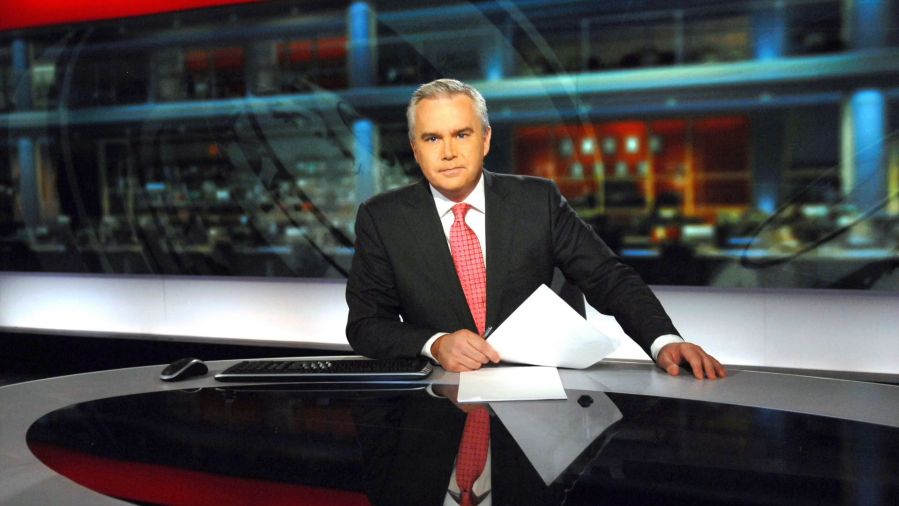
Table of Contents
ToggleIntroduction
Huw Edwards is a name that, for decades, symbolised authority, credibility, and calm leadership in British television news. As a leading news presenter and seasoned journalist, he became a familiar presence in millions of homes, guiding audiences through historic moments with clarity and composure. His commanding delivery and recognisable Welsh-accented English helped shape the identity of modern BBC news broadcasting.
However, alongside professional admiration, his story also carries profound controversy. Edwards’ career, once defined by trust and respect, later became overshadowed by serious legal issues that dramatically altered public perception. This article presents a complete, factual, and balanced biography of Huw Edwards, highlighting both the achievements and the challenges that define his legacy today.
Quick Bio of Huw Edwards
| Field | Information |
|---|---|
| Real Name | Huw Edwards |
| Date of Birth | 18 August 1961 |
| Birthplace | Bridgend, Glamorgan, Wales |
| Nationality | British (Welsh) |
| Ethnicity | White Welsh |
| Profession | News presenter, Journalist |
| Education | Cardiff University (BA), University of Wales Trinity Saint David (PhD) |
| Marital Status | Married (separated) |
| Children | Five |
| Religion | Christianity |
| Known For | BBC News at Ten |
Early Life and Family Background
Huw Edwards was born in Bridgend, Wales, and raised in a Welsh-speaking household that placed strong emphasis on education, culture, and language. His early childhood was spent in South Wales before his family later moved to Llangennech in Carmarthenshire. Growing up in a community deeply rooted in Welsh traditions shaped his identity and communication style from an early age.
His father was a respected academic in Welsh literature, while his mother worked as a teacher in Welsh-medium education. This intellectual and culturally rich environment fostered Edwards’ appreciation for language, public discourse, and national identity. These early influences would later be reflected in his confident broadcasting style and thoughtful approach to journalism.
Education and Academic Foundations
Edwards attended Llanelli Boys’ Grammar School, where he demonstrated a strong interest in languages and current affairs. He later enrolled at Cardiff University, earning a bachelor’s degree in French. His academic path highlighted discipline and curiosity, qualities that later proved valuable in his professional career.
Continuing his education, Edwards completed a doctoral degree at the University of Wales Trinity Saint David. His academic background distinguished him from many broadcasters, reinforcing his reputation as a journalist who valued depth, preparation, and intellectual rigor.
The Start of a Journalism Career
Huw Edwards began his professional journey with work experience in local radio before officially joining the BBC in 1984 as a news trainee. This early exposure to broadcast journalism allowed him to develop technical skills while learning the ethical responsibilities of reporting and presenting news.
His early BBC years involved regional reporting, where he covered political and social issues in Wales. These formative experiences helped refine his on-screen confidence and sharpen his ability to explain complex topics to a broad audience, laying the groundwork for his national career.
Rise to Prominence at the BBC
Edwards’ talent and consistency soon earned him roles beyond regional broadcasting. He became a political correspondent and later worked at Westminster, covering major political developments in the United Kingdom. His calm demeanor during high-pressure reporting made him a trusted figure within the organisation.
In the 1990s and early 2000s, Edwards transitioned into national news presenting roles. His appointment as lead presenter of BBC News at Ten marked a defining moment in his career. From this position, he delivered some of the most significant news events of modern British history.
Career Highlights and Professional Influence
As a leading news presenter, Edwards anchored coverage of general elections, royal events, and moments of national importance. His ability to maintain composure during emotional and historic broadcasts earned widespread respect from viewers and colleagues alike.
Beyond daily news, he also contributed to documentary programming, particularly projects related to Welsh history and culture. These efforts reinforced his image as a journalist deeply connected to his heritage while maintaining a national and international outlook.
Public Image: Strengths and Criticism
For many years, Huw Edwards represented reliability and professionalism in broadcast journalism. Audiences associated his presence with credibility, particularly during moments of crisis or national reflection. His voice became synonymous with official announcements and historic transitions.
However, no public figure remains free from scrutiny. In later years, criticism emerged regarding institutional culture, accountability, and personal conduct. These issues fundamentally reshaped how his career and contributions are viewed in retrospect.
Health and Personal Challenges
Edwards publicly acknowledged living with long-term clinical depression, an admission that sparked broader conversations about mental health within high-pressure professions. His openness was seen by many as a step toward reducing stigma around mental illness in media careers.
While mental health awareness formed part of his public narrative, it later intersected with serious legal and professional consequences that brought intense public and media attention.
Controversy and Career Conclusion
In the final chapter of his professional life, Edwards’ career ended following criminal proceedings that led to his resignation from the BBC. These events marked a dramatic shift from decades of respected service to public disgrace, permanently altering his standing in British media history.
The conclusion of his career raised difficult questions about power, accountability, and trust in public institutions. His case continues to be referenced in discussions about safeguarding, ethical responsibility, and media oversight.
Legacy and Public Impact
Huw Edwards’ legacy is complex and deeply divided. On one hand, he remains one of the most recognisable and influential news presenters in British broadcasting history. On the other, his later actions overshadow decades of professional achievement and have reshaped how his career is remembered.
His story serves as both a lesson in journalistic excellence and a cautionary tale about personal responsibility. It reflects how public trust, once lost, can redefine even the most distinguished careers.
Conclusion
Huw Edwards’ journey from a respected Welsh journalist to a controversial public figure illustrates the fragile balance between professional success and personal conduct. His career demonstrates the power of media influence, while his downfall highlights the consequences of failing that responsibility. As a news presenter and journalist, his impact on British broadcasting is undeniable, even as his legacy remains permanently contested.
Frequently Asked Questions (FAQ)
Who is Huw Edwards?
Huw Edwards is a Welsh journalist and former BBC news presenter best known for presenting BBC News at Ten.
What is Huw Edwards known for?
He is known for covering major national and royal events and serving as one of the BBC’s most prominent news presenters.
Where was Huw Edwards born?
He was born in Bridgend, Glamorgan, Wales.
What education does Huw Edwards have?
He studied French at Cardiff University and later completed a PhD at the University of Wales Trinity Saint David.
Why is Huw Edwards controversial?
His career ended following criminal proceedings that led to his resignation from the BBC, significantly affecting his public reputation.