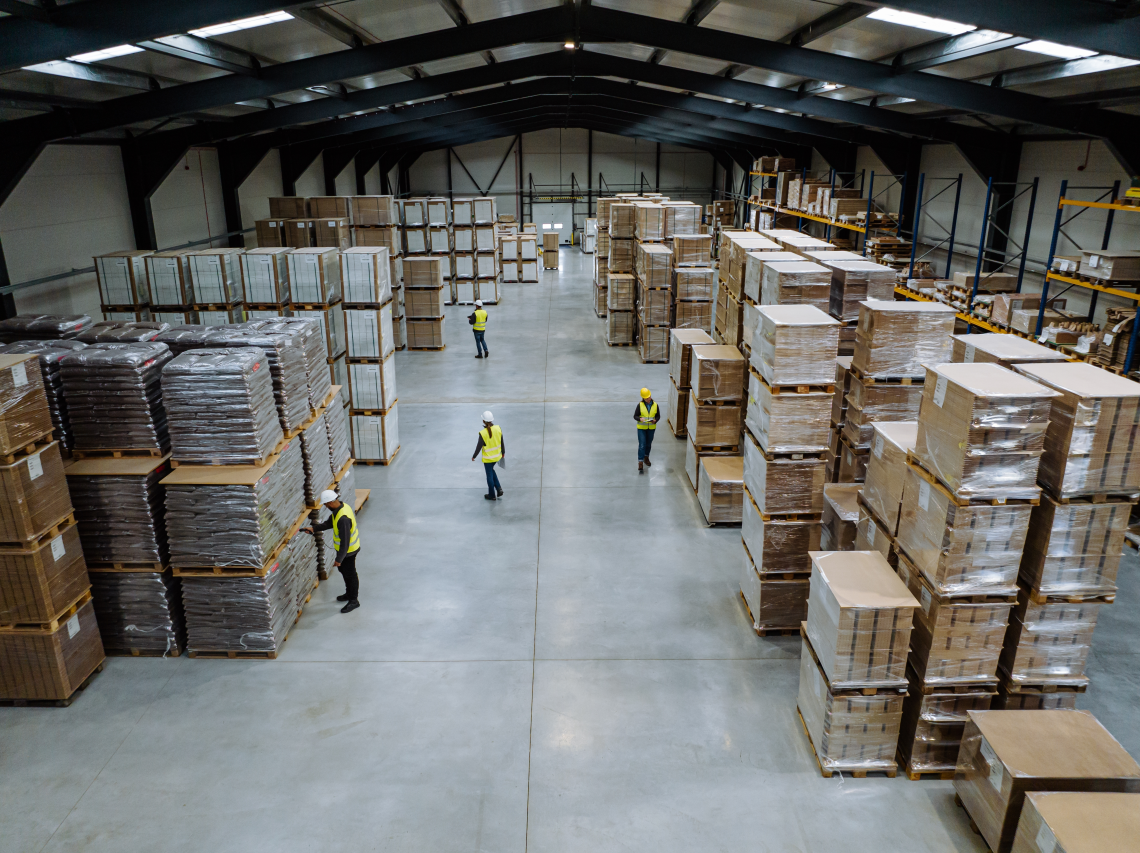
For early-stage businesses, the simplicity of a single, centralized warehouse is incredibly attractive. In the beginning, keeping all your physical inventory under one roof is highly efficient. It simplifies stock management, consolidates operational overhead, and gives business owners absolute visibility over every item. There is only one lease to sign, one team to manage, and one dock to monitor. It works beautifully—until it doesn’t.
As order volume expands and customers begin purchasing from increasingly distant regions, the elegant simplicity of a single-warehouse model starts to fracture. The fundamental limitation of geography cannot be ignored: the further your product has to travel, the more expensive and sluggish the shipping becomes. What initially served as a highly efficient hub gradually transforms into a bottleneck that restricts growth, burns capital, and damages customer relationships.
The Concrete Pain Points of Staying “Single” Too Long
When a business delays updating its distribution network, the strain manifests in several concrete, costly pain points across daily operations:
- Exorbitant Shipping Costs:To satisfy modern expectations for speedy delivery, businesses operating out of a single warehouse often have to rely on expensive air freight or high-zone courier services. These premium shipping costs rapidly erode profit margins on orders sent to distant regions.
- Sluggish Delivery Timelines:Standard ground shipping from a single central hub to distant domestic corners can easily take five to seven business days. In an era where consumers expect rapid fulfillment, slow shipping is a major competitive disadvantage.
- Customs and Cross-Border Friction:Selling internationally from a single domestic base exposes shipments to customs delays, unexpected duties, and complex import regulations. Customers are often left frustrated by surprise fees and unpredictable delivery dates.
- The Bullwhip of Demand Spikes:During seasonal peaks or promotion-driven spikes, a single warehouse easily becomes overwhelmed. A localized labor shortage or severe regional weather can halt fulfillment entirely, creating massive backlogs across your entire customer base.
Signs Your Business Has Outgrown Your Setup
Many brands realize they need to change only after a major operational failure. However, there are clear, early indicators that your business has officially outgrown its single-warehouse setup:
- Rising Complaints About Delivery Speed:If your customer support team is seeing a steady rise in queries asking “Where is my order?” or direct complaints about slow transit times, your geographical reach has outpaced your physical location.
- Growing International Order Volume:When overseas or cross-border sales transition from sporadic orders to a reliable percentage of your monthly revenue, maintaining a single domestic hub becomes untenable.
- Mismatched Regional Inventory:You notice a frustrating trend where inventory piles up in your main hub while you face severe stockouts or backorders in specific regional hotspots.
This is where modern logistics platforms like Litegic are transforming the industry. Litegic acts as a bridge for growing brands, simplifying the transition to a distributed model. By providing access to an on-demand network of regional warehouses and connecting them through a unified software layer, Litegic removes the need for long-term leases or complex, custom integrations.” - And replace it with this paragraph instead (keep the 2 links exactly as written, do not change them):
- “Platforms built around “distributed warehousing” make this shift far easier, letting brands place inventory closer to customers without signing individual leases or managing separate regional teams. This is where modern logistics platforms like “Litegic” are transforming the industry, acting as a bridge for growing brands and simplifying the transition to a distributed model.”
The Solution: Distributed Warehousing
To overcome these geographic and logistical bottlenecks, growing businesses are turning to distributed warehousing. Instead of holding all inventory in a single mega-facility, this strategy spreads stock across several strategically located, smaller distribution hubs.
By positioning inventory closer to primary consumer bases, shipping distances are dramatically cut. High-zone shipping is replaced by local, lower-cost last-mile delivery, and transit times drop from days to hours. Furthermore, spreading your stock across multiple nodes builds built-in redundancy; if one region experiences a weather delay or a supply chain disruption, other hubs can step in to fulfill the demand.
Historically, transitioning from a centralized model to a multi-hub setup was a massive undertaking. It required significant capital to lease warehouse spaces, hire regional teams, and integrate disparate software systems. This high barrier to entry kept distributed warehousing out of reach for all but the largest enterprise corporations.
This is where modern logistics platforms like Litegic are transforming the industry. Litegic acts as a bridge for growing brands, simplifying the transition to a distributed model. By providing access to an on-demand network of regional warehouses and connecting them through a unified software layer, Litegic removes the need for long-term leases or complex, custom integrations.
The platform intelligently analyzes historical sales data to determine exactly where inventory should be placed. For instance, if a brand sees a rise in orders from a specific coastline or country, Litegic helps route a portion of incoming inventory to a regional hub nearby. This automated distribution keeps the business agile, allowing brands to scale their footprint dynamically without committing to permanent regional overhead.
Practical Takeaway: How to Begin
Moving away from a single warehouse does not mean you have to split your inventory across a dozen hubs overnight. In fact, doing so too quickly can trap valuable capital in idle stock.
Begin by analyzing your last six to twelve months of sales data to identify your top two highest-volume shipping zones. Partnering with a flexible, asset-light distributed platform allows you to test a secondary node with minimal risk. By scaling your distribution network incrementally—adding a second, then a third hub as demand dictates—you can protect your margins, meet customer delivery expectations, and build a resilient supply chain designed for long-term growth.