Music festivals, outdoor concerts, and large-scale cultural events have become defining experiences of modern entertainment, drawing hundreds of thousands of attendees to temporary venues worldwide. These spectacular gatherings require massive amounts of electrical power—from stage lighting and sound systems to vendor equipment and crowd safety infrastructure. Yet behind the dazzling light shows and powerful audio systems lies a sobering reality: temporary power installations at festivals present some of the most challenging electrical safety scenarios in any industry. Exposed cables, rapidly assembled connections, unpredictable weather conditions, and the constant proximity of large crowds create a perfect storm of potential electrical hazards. As tragic incidents at festivals worldwide have demonstrated, inadequate electrical protection can transform celebration into catastrophe in milliseconds.
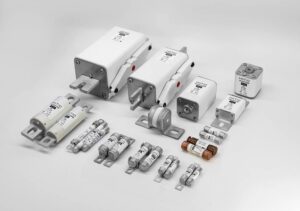
The electrical demands of modern festivals are staggering. A medium-sized music festival typically requires between 500 kilowatts to several megawatts of power, distributed through temporary cables often spanning kilometers across fields, parks, or desert landscapes. Traditional circuit protection methods—while effective in permanent installations—struggle to provide the combination of speed, reliability, and fail-safe operation that temporary festival environments demand. While high-performance fuse technologies for power electronics have advanced protection in many industrial sectors, festivals require protection solutions that go beyond conventional approaches.
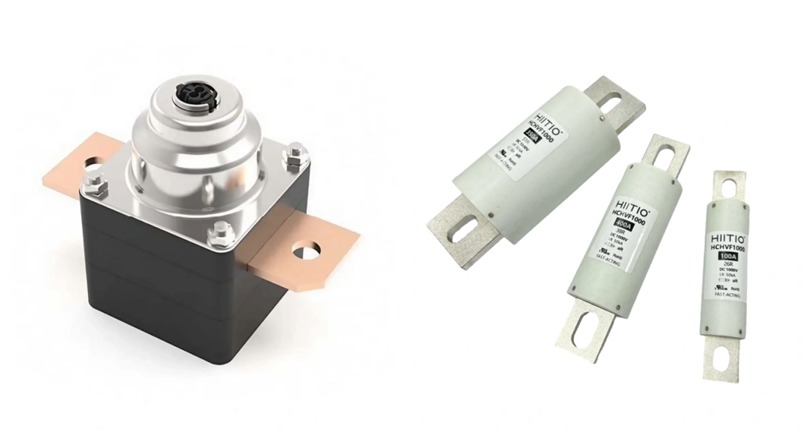
This is where pyrofuse technology offers a revolutionary safety advantage. Pyrofuses employ explosive disconnection mechanisms that physically sever electrical circuits in microseconds, providing instantaneous isolation when dangerous conditions are detected. Unlike circuit breakers that rely on mechanical components prone to failure from vibration, contamination, or improper installation, pyrofuses guarantee absolute disconnection through controlled pyrotechnic action. For festival organizers, this technology represents the difference between a manageable electrical fault and a life-threatening emergency involving hundreds or thousands of people in close proximity to energized equipment.
Critical Electrical Hazards at Festival Venues:
Ground Fault Dangers in Wet Conditions: Outdoor festivals frequently encounter rain, dew, or deliberately wet environments (water features, misting systems). When electrical equipment becomes compromised by moisture, ground faults can energize metal structures, barriers, or even wet ground surfaces. Traditional ground fault protection may take 20-40 milliseconds to operate—enough time for a lethal shock. Pyrofuse systems can detect and isolate ground faults in under 100 microseconds, preventing current from flowing through human bodies.
Cable Damage from Vehicle Traffic: Festival setup and breakdown involve constant movement of forklifts, trucks, and heavy equipment across sites where power cables are deployed. Despite protective measures, cables occasionally get crushed or severed, creating arc flash hazards and potential fire ignition sources. Pyrofuses at distribution points can isolate damaged cable sections before arc energy reaches dangerous levels.
Overload from Equipment Cascading: Festivals operate multiple sound systems, lighting rigs, video walls, and special effects simultaneously. When one system draws excessive current—perhaps due to equipment malfunction or operator error—it can cascade into adjacent circuits, potentially overloading generators or distribution transformers. Pyrofuses provide selective isolation, disconnecting only the faulted circuit while maintaining power to other critical systems like emergency lighting and communication equipment.
Lightning Strike Propagation: Open-air venues are inherently vulnerable to lightning strikes. When lightning hits structures or nearby ground, the electrical surge can propagate through power distribution systems, damaging equipment and creating multiple simultaneous fault conditions. Pyrofuse technology can isolate affected circuits faster than the surge can propagate, containing damage and preventing secondary fires.
Crowd Safety Proximity Issues: Unlike industrial settings where electrical equipment is isolated from public access, festivals place high-power electrical systems in immediate proximity to crowds. Stage power distribution, barrier lighting, vendor booths, and temporary structures all carry hundreds of amperes while surrounded by attendees. Any electrical fault in these areas creates immediate life-safety concerns requiring the fastest possible disconnection.
Strategic Implementation of Pyrofuse Protection:
Main Power Distribution Nodes: At the primary distribution points where generator power feeds multiple circuits, pyrofuses provide fail-safe protection against catastrophic faults. These locations handle the highest power levels and represent single points of failure where conventional protection alone is insufficient.
Stage Power Feeds: Each major stage typically requires dedicated high-current feeds for lighting, audio, video, and special effects. Pyrofuses at these feeds ensure that any fault—whether from equipment failure, cable damage, or environmental factors—results in immediate, guaranteed disconnection without risk of arc continuation or mechanical failure.
Vendor and Concession Areas: Food vendors operate deep fryers, refrigeration units, and cooking equipment that combine high electrical loads with grease, water, and combustible materials. Pyrofuse protection in these areas addresses the unique fire safety concerns of commercial cooking equipment in temporary installations.
Crowd Barrier and Safety Lighting: LED lighting systems integrated into crowd barriers provide guidance and safety but also introduce electrical equipment into direct public contact. Pyrofuse isolation ensures these systems disconnect instantly if damaged, preventing public exposure to live conductors.
Weather Monitoring Integration: Modern pyrofuse systems can integrate with weather monitoring platforms, providing automated disconnection when dangerous conditions approach. If lightning is detected within a predetermined radius, pyrofuses can isolate vulnerable circuits before strikes occur, then restore power when conditions clear.
Technical Advantages for Temporary Installations:
No Calibration or Testing Required: Circuit breakers and electronic protection devices require testing and verification after installation. In the compressed timeline of festival setup, this testing often receives inadequate attention. Pyrofuses require no calibration or testing—they either operate correctly or provide continuous diagnostic signals indicating readiness status.
Immune to Installation Errors: Mechanical circuit breakers can be improperly installed, poorly maintained, or incorrectly rated for the application. Pyrofuses, once properly specified and installed, cannot be “set wrong” or degraded by environmental exposure during the brief festival period.
Vibration and Shock Resistance: Festival environments subject equipment to constant vibration from audio systems, vehicle movement, and crowd activity. Mechanical breakers can experience nuisance tripping or, worse, failure to trip when needed due to mechanical degradation. Pyrofuses contain no moving parts and maintain full functionality regardless of vibration exposure.
Extreme Temperature Operation: Festivals occur in environments ranging from desert heat to winter cold. Pyrofuse technology maintains consistent performance across temperature extremes (-40°C to +85°C), whereas conventional breakers may have degraded performance in extreme heat or cold affecting their trip characteristics.
Visual Confirmation of Operation: When a pyrofuse activates, it creates visible evidence of disconnection—often including a striker pin indication. This provides immediate confirmation to safety personnel that a circuit has been isolated, facilitating rapid response and preventing attempts to re-energize a faulted circuit.
Case Study Applications:
Major Music Festival Implementation: A prominent European music festival with 75,000 daily attendance implemented comprehensive pyrofuse protection across all main distribution points following a near-miss incident involving a damaged cable during setup. During the three-day event, the system activated twice—once when a forklift severed a buried cable, and once during an electrical storm when lightning induced a surge in barrier lighting circuits. Both incidents were isolated in microseconds with no injury, no secondary damage, and no interruption to performances on other stages.
Desert Festival Extreme Conditions: A large-scale desert festival operating in ambient temperatures exceeding 45°C (113°F) with severe dust storms deployed pyrofuse protection for generator distribution and stage feeds. Traditional circuit protection had experienced multiple failures in previous years due to dust infiltration and thermal stress. The pyrofuse system operated flawlessly throughout the event, including one activation when high winds caused structural damage that compromised electrical cables.
Integration with Comprehensive Safety Programs:
Pyrofuse technology represents one component of holistic festival electrical safety:
- Pre-event electrical audits and risk assessments identify high-risk circuits requiring pyrofuse protection
- Real-time monitoring systems track circuit loading, temperature, and fault conditions
- Pyrofuses provide ultimate protection when other measures fail or conditions exceed design parameters
- Post-event analysis of pyrofuse activations informs future safety improvements
The music and cultural festival industry has matured significantly in its approach to electrical safety, moving from reactive responses to tragic incidents toward proactive adoption of advanced protection technologies. Pyrofuses represent a paradigm shift in temporary power distribution safety—providing absolute certainty of disconnection when lives depend on it. As festivals continue growing in scale, complexity, and power requirements, the adoption of pyrofuse technology transitions from optional enhancement to essential safety infrastructure.
For festival organizers, electrical contractors, and safety officials, understanding and implementing pyrofuse protection demonstrates a commitment to attendee safety that goes beyond minimum requirements, establishing a new standard for responsible event production in an industry where the show must go on—but never at the cost of human safety.