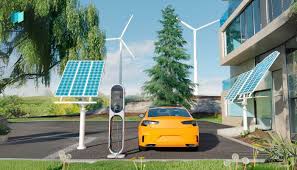
The rise of electric vehicles has revolutionized the way we perceive mobility, energy, and the environment. At the same time, solar power has become an increasingly popular energy source for homes and businesses. When combined, solar energy and EV charging offer a sustainable pathway that addresses both transportation and energy needs. Homeowners and businesses are finding ways to pair solar panels with EV chargers, reducing costs while embracing greener practices. We will explore how solar power and EV charging align, why they matter in the energy transition, and the benefits of integrating them for a cleaner future.
The Synergy Between Solar Power and EV Charging
- Reducing Reliance on the Grid
One of the most impactful benefits of combining solar and EV charging is the reduced reliance on traditional utility grids. Solar panels generate electricity directly from sunlight, creating a renewable energy source that can be stored or used immediately. When paired with an EV charger, this electricity powers a vehicle without tapping into the grid’s fossil-fuel-heavy supply. This process lowers household electricity bills, cuts greenhouse gas emissions, and supports grid stability by easing demand during peak hours. Companies like North Valley Solar Power make this transition more accessible by helping homeowners and businesses integrate solar with EV charging solutions that enhance both convenience and sustainability.
For many homeowners, installing rooftop solar provides the satisfaction of fueling their cars with clean energy. The independence from fluctuating grid prices is another motivating factor. Instead of worrying about rising electricity or gas costs, solar-equipped EV owners enjoy a predictable energy supply and greater control over their long-term expenses. By decentralizing energy production, solar and EV systems together reduce vulnerabilities tied to grid outages or supply shortages, empowering individuals and communities to produce their own sustainable power.
- Maximizing Energy Efficiency
Solar power and EV charging are uniquely suited to work efficiently together because of their complementary energy patterns. Solar panels generate electricity during daylight hours, while many EV owners plug in their vehicles after work. By adding a home battery system, households can capture excess daytime solar production and store it for evening vehicle charging. This closes the gap between when energy is generated and when it’s most needed. The result is a seamless loop where solar panels collect energy, batteries store it, and EVs use it. This reduces wasted solar power and ensures vehicles are fueled with renewable electricity.
For businesses with workplace charging stations, the alignment is even stronger. During the day, cars parked on-site can charge directly from solar panels, eliminating the need for extensive battery storage. This maximizes return on investment from solar installations while promoting sustainable commuting options for employees. The efficiency gained from matching solar production with EV charging patterns ensures that energy is used in the most effective way possible, strengthening sustainability efforts.
- Lowering Carbon Footprints
Transportation is one of the largest contributors to global carbon emissions, and electricity generation from fossil fuels adds another layer of environmental strain. By combining solar power with EV charging, households and businesses can dramatically reduce their carbon footprints. Solar panels convert sunlight into clean electricity without emitting greenhouse gases, and EVs produce no tailpipe emissions. When paired, they eliminate reliance on gasoline and reduce dependence on coal or natural gas electricity. Over time, this shift contributes to improved air quality and decreased environmental harm.
For example, an EV powered by traditional grid electricity may still indirectly rely on fossil fuels. However, when powered by rooftop solar, the vehicle becomes a near-zero emission solution. This transition is particularly meaningful for urban areas struggling with smog and pollution. Beyond environmental benefits, lowering a carbon footprint can enhance a company’s reputation or align with personal values of sustainability. Families and organizations choosing solar-powered EV charging demonstrate a commitment to cleaner living while setting an example for others to follow.
- Financial Benefits of Integration
While the environmental case for solar and EV charging is strong, the financial advantages are equally compelling. The cost of solar panels has dropped significantly over the last decade, and many regions offer tax incentives, rebates, or net metering programs. By installing solar panels, households not only reduce their utility bills but also generate long-term savings by fueling their vehicles at home instead of paying for gasoline. The lifetime savings can amount to thousands of dollars, especially as electricity and fuel prices continue to rise.
Additionally, pairing solar panels with EV chargers increases property value, making homes more attractive to buyers who value sustainability and energy independence. Businesses can also benefit financially by offering solar-powered charging stations as a perk to employees or customers, enhancing brand appeal while reducing operational energy costs. The combination of lower transportation expenses, reduced utility bills, and available incentives makes the solar-EV partnership not just environmentally responsible but also economically strategic for individuals and organizations alike.
Solar and EV charging create a powerful synergy that redefines both transportation and energy consumption. By reducing reliance on the grid, maximizing efficiency, cutting emissions, providing financial benefits, and supporting the evolving energy system, their integration offers a comprehensive solution to modern challenges. Homeowners and businesses adopting these technologies demonstrate how sustainability can align with practicality, affordability, and long-term resilience. Together, they represent a vision of independence, responsibility, and progress toward a cleaner and more sustainable world.
Read Also: westernbusiness.co.uk