Una Marson: The Trailblazing Voice of Jamaica’s Literature and Freedom
How Una Maud Victoria Marson Shaped Caribbean Identity, Feminism, and Culture

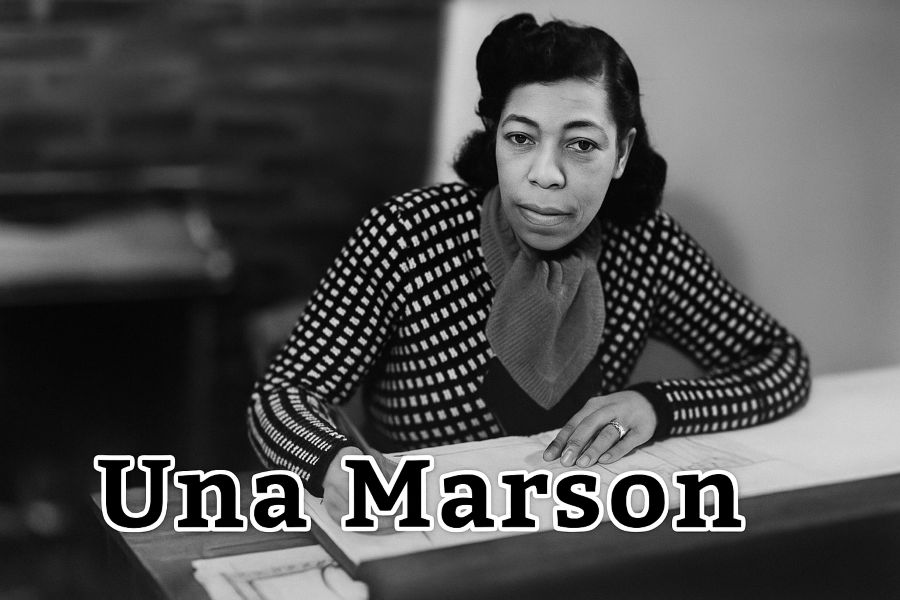
Table of Contents
ToggleIntroduction
Una Marson was more than a Jamaican activist and writer; she was a cultural force who gave voice to Caribbean identity long before it was fashionable to do so. As a poet, playwright, journalist, and broadcaster, she fought for women’s equality, racial justice, and the artistic recognition of Black voices across the Atlantic. Her fearless determination and unmatched creativity positioned her as a pioneer in both Jamaican and British history.
Born in early 20th-century colonial Jamaica, Una Maud Victoria Marson rose from humble beginnings to become the first Black woman employed by the BBC. She transformed Caribbean literature through her writing and the legendary radio programme Caribbean Voices, which inspired a generation of authors. Despite challenges, her story remains a shining example of resilience, passion, and cultural pride that continues to inspire the world.
Quick Bio
| Full Name | Una Maud Victoria Marson |
|---|---|
| Date of Birth | 6 February 1905 |
| Place of Birth | Sharon Mission House, Santa Cruz, Saint Elizabeth, Jamaica |
| Date of Death | 6 May 1965 |
| Nationality | Jamaican |
| Ethnicity | Black Jamaican |
| Religion | Baptist |
| Occupation | Poet, Playwright, Journalist, Broadcaster, Activist |
| Parents | Rev. Solomon Isaac Marson (Father), Ada Wilhelmina Mullins (Mother) |
| Education | Hampton High School, Jamaica |
Family and Early Life
Una Maud Victoria Marson was born into a deeply religious and community-oriented family. Her father, Rev. Solomon Isaac Marson, was a respected Baptist minister, while her mother, Ada Wilhelmina Mullins, nurtured her children in faith and education. Growing up as the youngest of six siblings, Una experienced both comfort and hardship, particularly after her father’s passing in 1916, which forced the family to move to Kingston.
Her early exposure to education at Hampton High School in Malvern, St. Elizabeth, shaped her disciplined and intellectual spirit. It was there she learned essential skills such as stenography, which later supported her early career. Although she did not pursue a university education, her curiosity and self-motivation made her a lifelong learner. Her childhood environment instilled in her a deep sense of duty to uplift Jamaican women and challenge social injustice.
Education and Early Career
Una Marson’s education at Hampton High provided her with a foundation in English literature and writing. After finishing school, she began working as a secretary and social worker in Kingston. Her natural talent for words quickly found expression in journalism. In 1926, she became the assistant editor for The Jamaica Critic, a political and literary journal that exposed her to national issues and journalism ethics.
By 1928, her vision had grown bold enough to create her own publication, The Cosmopolitan. This magazine was revolutionary—it was the first in Jamaica edited and published by a woman. Through The Cosmopolitan, she championed women’s rights, workers’ issues, and Caribbean cultural pride. Her words empowered women to dream beyond traditional domestic roles and encouraged readers to celebrate their local identity instead of mimicking colonial values.
Rise as a Jamaican Activist and Writer
The 1930s marked Una Marson’s rise as a formidable Jamaican activist and writer. Her first poetry collection, Tropic Reveries (1930), explored themes of love, beauty, and racial pride. This was followed by Heights and Depths (1932), which revealed her growing confidence and intellectual maturity. Her poetry balanced romanticism with social awareness, blending emotion with empowerment.
In 1932, she left Jamaica for London, seeking broader horizons for her work. Life in Britain exposed her to racial prejudice and sexism, yet instead of discouraging her, it sharpened her commitment to social justice. She joined the League of Coloured Peoples, a civil rights organisation led by Dr. Harold Moody, and became a voice for the Caribbean diaspora in the United Kingdom. Her experiences in London directly influenced her later plays and poems, where she confronted identity struggles and racial inequality.
Literary and Cultural Achievements
Una Maud Victoria Marson’s creative genius flourished through her poetry and plays. Her landmark play At What a Price (1932) depicted a young Jamaican woman navigating love, independence, and societal expectations—a story ahead of its time. When the play was staged in London, it made history for featuring an all-Black cast, a rare occurrence in the 1930s theatre scene.
Returning to Jamaica in 1936, Una Marson dedicated herself to promoting Jamaican literature and theatre. She established the Kingston Readers and Writers Club and Kingston Drama Club, fostering local creativity and intellectual discourse. Her 1937 poetry collection The Moth and the Star celebrated Black womanhood and self-love, boldly defying Eurocentric beauty standards. With plays like Pocomania and London Calling (1938), she merged Afro-Jamaican culture with modern drama, setting the foundation for Jamaica’s national theatre movement.
BBC Career and Caribbean Voices
In 1941, Una Marson achieved a historic milestone when she joined the BBC Empire Service (now BBC World Service). She initially worked on the programme Calling the West Indies, which connected Caribbean soldiers and families during World War II. By 1942, she was promoted to producer, becoming the first Black woman to hold such a position at the BBC.
Under her leadership, the show evolved into Caribbean Voices, the most influential radio platform for emerging Caribbean writers. It featured poets, storytellers, and intellectuals from across the region. Through this programme, Una Marson helped launch the literary careers of authors such as Derek Walcott and George Lamming. Her vision united the Caribbean through art, shaping the literary identity of an entire generation.
Later Years and Passing
After the war, Una Marson continued writing and advocating for cultural equality. Her final poetry collection, Towards the Stars (1945), reflected her matured philosophy—hopeful, introspective, and resilient. It spoke to women’s independence, spiritual growth, and the ongoing struggle for justice.
She returned to Jamaica later in life, where she continued to work for social welfare and education. On 6 May 1965, Una Maud Victoria Marson passed away in Kingston at the age of 60. Her death marked the end of an era but the beginning of a legacy that continues to influence Caribbean art and feminism.
Legacy of Una Marson
Una Marson’s life was a blend of triumph and challenge. She broke barriers as the first Black female producer at the BBC and as one of the first Jamaican women to gain international recognition for her writing. Her poetry and activism empowered women to speak, dream, and act. Her plays laid the groundwork for Caribbean theatre, and her journalism opened doors for future generations of writers.
Today, she is remembered as one of the Caribbean’s most important cultural architects—a woman who turned words into tools of liberation. Schools, libraries, and organisations continue to honour her contribution to literature and equality. Her life proves that creativity can be both art and activism, inspiring courage in the face of adversity.
Conclusion
Una Marson’s journey from rural Jamaica to international acclaim is a story of vision, resistance, and grace. She used her pen to challenge colonial thinking and her voice to amplify the unheard. As a Jamaican activist and writer, she created bridges between continents and cultures, ensuring that the Caribbean’s voice echoed around the world. Her story reminds us that greatness is not born from privilege but from passion, persistence, and purpose.
Frequently Asked Questions (FAQ)
Q1: Who was Una Maud Victoria Marson?
A1: Una Marson was a Jamaican poet, playwright, journalist, and broadcaster. She was also a feminist and activist known for her literary and cultural influence in Jamaica and the United Kingdom.
Q2: What was Una Marson famous for?
A2: She was the first Black woman producer at the BBC and the creator of Caribbean Voices, which promoted Caribbean writers globally.
Q3: What were Una Marson’s major works?
A3: Her notable works include the poetry collections Tropic Reveries, The Moth and the Star, and the plays Pocomania and At What a Price.
Q4: How did Una Marson impact Caribbean literature?
A4: She gave Caribbean writers a global platform through her BBC programme and helped define a unique Caribbean literary identity.
Q5: What is Una Marson’s legacy today?
A5: Una Marson is celebrated as a pioneer of Caribbean feminism, literature, and broadcasting. Her influence endures through educational institutions and cultural tributes dedicated to her name.