Custom T-Shirts & DTF Transfers in 2026: Why Branded Clothing Still Cuts Through the Noise

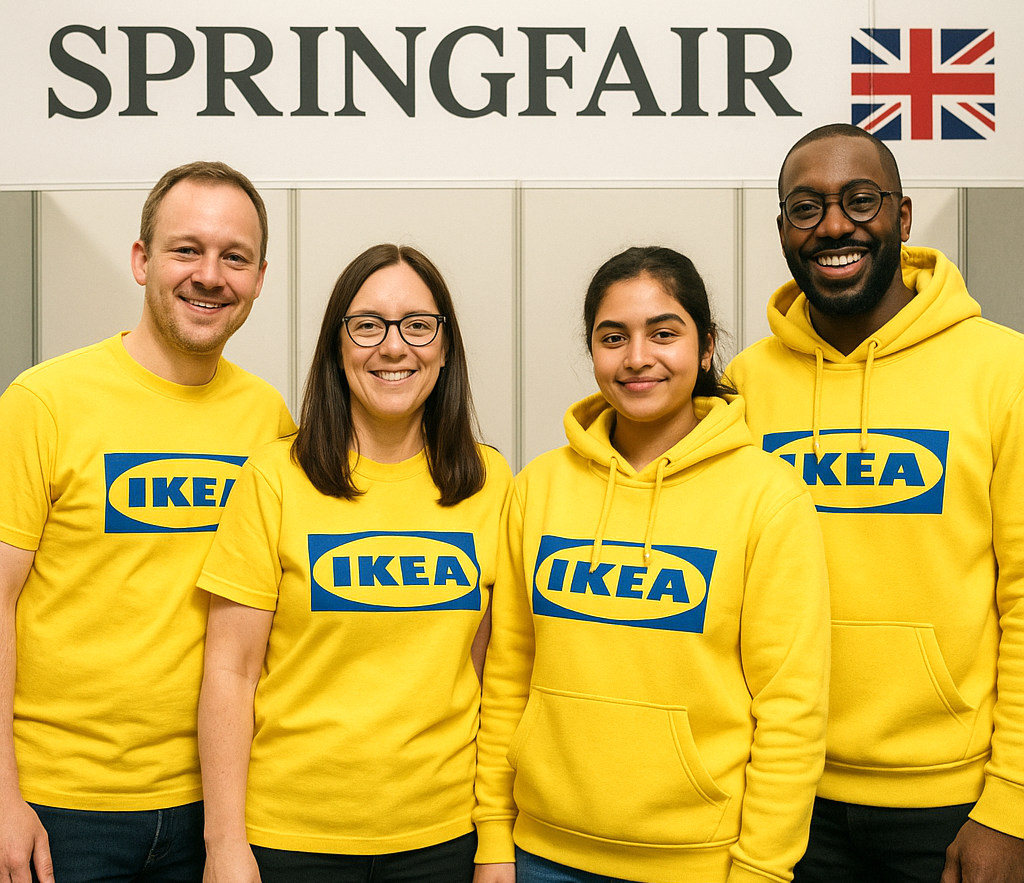
In a world of AI search, shrinking attention spans and endless digital ads, it’s easy to assume that a simple printed T-shirt or hoodie has lost its power. Yet as we head into 2026, the numbers tell a different story: branded clothing and other physical merch are quietly becoming one of the most effective ways for UK businesses to stay memorable, build loyalty and drive real-world action.
Thanks to modern tech like Direct-to-Film (DTF) transfers and on-demand T-shirt printing, small and mid-sized companies can now access the kind of branded apparel that used to be reserved for big retail brands – without betting the whole marketing budget on one campaign.
Branded clothing used as moving billboards – staff and fans wearing the brand in everyday life.
Why branded clothing still works in 2026
Despite all the hype around digital channels, promotional merchandise hasn’t gone away – it’s evolved. Recent UK and European studies on promotional products show that most people feel more positive about a brand after receiving useful branded items, and a large majority say they’re more likely to buy from that company again. In some surveys, more than four out of five recipients say they research a company after receiving branded merch, and a similar share say they’re more likely to choose that brand in future.
At the same time, the UK promotional merchandise sector itself is now worth well over a billion pounds annually, with industry bodies reporting steady growth through 2024 and into 2025. For many SMEs, branded clothing is no longer a “nice to have” – it’s a serious marketing channel that can sit alongside paid search, email and social campaigns.
Unlike a social post that disappears in 24 hours, a well-printed T-shirt or hoodie can keep working for years. Staff uniforms, event tees, club and society merch, influencer drops – all of them turn real people into moving billboards. That’s particularly powerful when markets are saturated and ad costs are rising.
DTF transfers: the engine behind modern merch
One of the big reasons custom apparel is exploding going into 2026 is the rise of Direct-to-Film printing.
Search interest in “DTF printing” has grown dramatically since 2020, and market forecasts suggest the global DTF sector could nearly triple in value over the 2020s. At the same time, the wider printed personalised apparel industry is expected to grow from the mid-single-digit billions of dollars in 2024 to well over $10 billion later this decade. That growth is being driven by e-commerce, on-demand production and consumers expecting personalisation as standard.
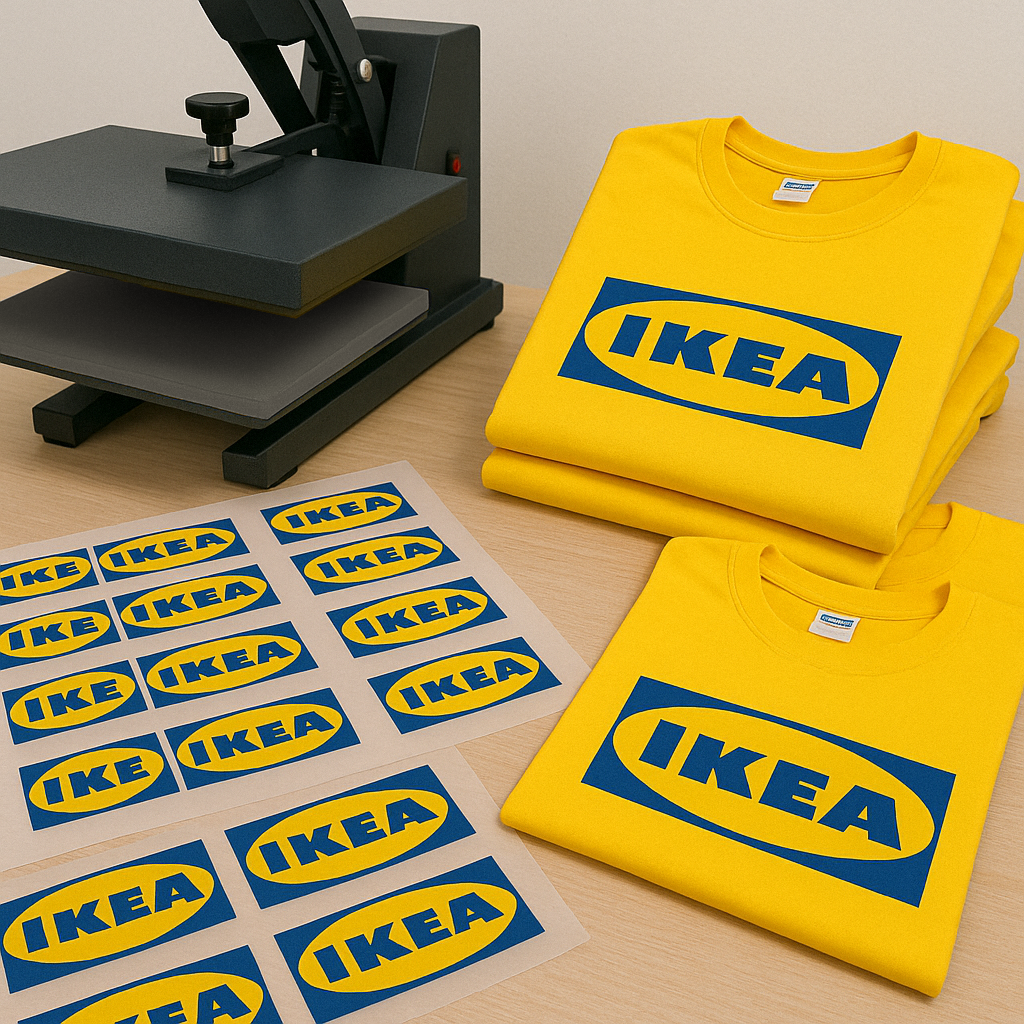
DTF transfers themselves are simple in concept: artwork is printed in full colour onto film, backed with powder adhesive, cured, then heat-pressed onto garments when needed. In practice, this unlocks a few important advantages for businesses:
- No minimums and low risk. Because transfers can be stored and pressed as needed, small runs and one-offs become viable.
- Full-colour, high-detail prints. Gradients, photos and small text are all possible without the setup costs of screen printing.
- Speed. Once a design is approved, production can move quickly – useful for last-minute campaigns or events.
- Scalability. The same transfer design can be applied across sizes, fits and even different garment types.
Alongside specialist DTF houses and trade suppliers, there are hybrid printers that handle both transfers and finished garments. One example is Brandum DTF transfers, a UK print business that produces bulk DTF gang sheets for trade customers and also presses those designs onto T-shirts, hoodies and workwear for brands that prefer a one-stop partner.
DTF transfers bridge the gap between on-demand production and durable, high-colour prints.
How UK SMEs are using DTF & T-shirt printing
For UK SMEs, DTF isn’t just about “cool prints”. It’s about making merch work harder across different parts of the business. A few patterns are emerging as we move into 2026.
- Workwear and uniforms that feel like real clothing
Instead of generic polos and hi-vis, more teams are investing in branded gear that their staff actually want to wear – heavyweight T-shirts, oversized hoodies, gilets and softshells with clean left-chest logos and bolder back designs.
Well-known online platforms like Clothes2order and TShirt Studio make it easy for companies to spin up uniforms without a dedicated design team. At the same time, more niche providers such as Brandum’s custom T-shirt printing focus on helping businesses choose the right blanks, place branding tastefully and keep consistency across ranges.
- Creators, side-hustles and microbrands
The barrier to launching a clothing line is lower than ever. Influencers, podcasters, Twitch streamers and local community projects can now test designs in tens rather than thousands.
Many will start by ordering DTF transfers in bulk from trade-focused suppliers and pressing them onto blank garments in-house. Others prefer to outsource the whole workflow to print-on-demand style partners that handle printing, packing and shipping.
The common thread is flexibility: instead of tying up cash in stock, brands can treat merch like a series of small experiments and double down on what actually sells.
- Events, campaigns and internal culture
Event tees aren’t new, but the strategy behind them is changing. Rather than cheap throwaways, more organisations are treating event clothing as part of their long-term brand story.
- Limited-run designs for product launches or trade shows.
- Giveaways for top customers and referral schemes.
- Internal culture drops for teams hitting milestones or navigating big projects.
This is where DTF really shines: once the artwork is dialled in, it’s easy to re-run a design in small batches or tweak colours and text for different locations and dates.
Choosing the right DTF and T-shirt printing partner
For all the technology in the background, the choice of print partner still makes or breaks the project. As with most things in marketing, the safest route is to prioritise quality, reliability and support over chasing the absolute rock-bottom price.
In the UK, businesses typically fall into three camps when sourcing merch:
- Self-service online platforms like Clothes2order or TShirt Studio, where you upload artwork, pick garments and check out online.
- Specialist DTF houses such as DTF Transfer and Inkfuse, which focus on supplying transfers to in-house print teams and resellers.
- Hybrid print partners like Brandum, which run DTF gang sheets at scale but also handle embroidery, screen printing and finished garment fulfilment for brands that want a single supplier.
When comparing providers, it’s worth looking beyond unit price and asking a few practical questions:
- Colour management: How do they handle colour profiles and consistency across re-orders?
- Garment knowledge: Can they recommend specific blanks for your use case – heavy streetwear, workwear, organic cotton, sportswear and so on?
- Lead times and communication: Are deadlines realistic, and will you be kept in the loop if something changes?
- Support for growing brands: Do they offer artwork help, sampling and advice on scaling from “first drop” to ongoing ranges?
For decision-makers, this is where partnering with a printer that understands both transfers and finished merch can make life far easier than juggling multiple specialist suppliers.
Building a merch strategy that fits 2026
Going into 2026, the most successful merch programmes won’t be the ones with the loudest designs – they’ll be the ones that fit neatly into a wider marketing plan.
A few practical ways UK SMEs are making that happen:
- Using merch to support key campaigns – for example, tying a limited T-shirt drop to a product launch, rebrand or fundraising effort, then amplifying it with social and email.
- Blending online and offline – encouraging customers to share photos of their branded clothing, then resharing that user-generated content to extend the reach of each garment.
- Thinking beyond T-shirts – mixing in tote bags, caps, aprons, gilets and sportswear so the brand shows up in different contexts.
- Planning for longevity – choosing designs and blanks that people will happily wear in two years’ time, not just during the campaign window.
Behind the scenes, many organisations are also investing in better artwork workflows. Getting files set up in the right colour space, at the right resolution and with transparent backgrounds reduces waste and avoids “blurry logo” horror stories. Clear DTF artwork guides and explainer pieces are helping marketers brief designs more confidently and avoid expensive reprints.
When treated as part of a wider brand system, merch becomes a long-term asset, not just a cost.
Key takeaways for SMEs
Custom T-shirts and DTF transfers won’t replace digital marketing in 2026 – but they can quietly make every other channel work harder. When customers and staff literally wear the brand, they carry the story into places no banner ad or sponsored post can reach.
For SMEs, the opportunity is clear:
- Treat branded clothing as a strategic channel, not just swag.
- Leverage DTF to test ideas in small runs before scaling.
- Work with reputable partners – from high-volume online platforms to specialist DTF suppliers and hybrid printers offering services such as Brandum DTF transfers.
- Make sure each garment has a purpose in the wider marketing mix – from staff uniforms and events to creator collabs and loyalty plays.
As budgets tighten and AI-driven search evolves, brands that find smart, human ways to stay visible in the real world are likely to be the ones still standing out in 2026 and beyond.