Adam Peaty: A Relentless Breaststroke Powerhouse—Yet Even Champions Face Hard Cracks
The story of Adam George Peaty, the English swimmer who redefined sprint breaststroke, battled setbacks, and kept chasing the next wall

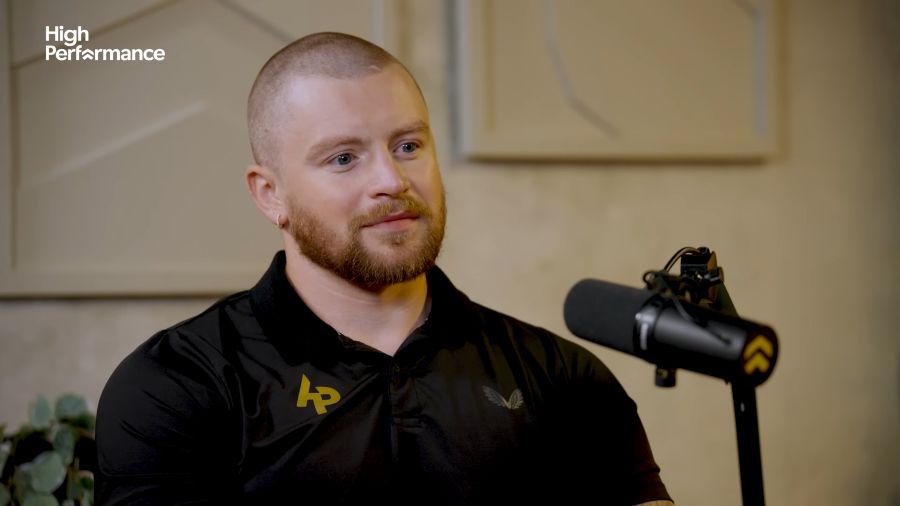
Introduction
Adam Peaty is one of those rare athletes whose name becomes shorthand for an entire event. In men’s sprint breaststroke, he didn’t only win—he shifted expectations, repeatedly pushing the limits of the 50m and 100m races. At his best, he looked unstoppable: explosive off the blocks, sharp timing through each stroke cycle, and a finish that drained hope from world-class rivals.
Table of Contents
ToggleBut this biography is not just a highlight reel. Elite sport can amplify pressure, and Peaty has spoken publicly about tough stretches away from the pool. That contrast—dominance under bright lights and difficulty behind closed doors—makes his journey real, modern, and worth understanding beyond medal counts.
Quick Bio (Adam Peaty)
| Field | Details |
|---|---|
| Full Name | Adam George Peaty |
| Date of Birth | 28 December 1994 |
| Age | 30 (as of 3 Dec 2025) |
| Birthplace | Uttoxeter, Staffordshire, England |
| Nationality | British |
| Profession | English swimmer (competitive swimmer) |
| Specialty | 50m & 100m breaststroke |
| Height | 1.91 m (6’3″) |
| Weight | 95 kg |
| Parents | Mark Peaty (father), Caroline Peaty (mother) |
| Siblings | Youngest of four children (three siblings) |
| Child | One son: George-Anderson Adetola Peaty (born 11 Sept 2020) |
| Fiancée | Holly Ramsay (engagement announced 12 Sept 2024) |
| Honours | MBE, OBE |
| Notable Records | 100m breaststroke WR 56.88; 50m breaststroke WR 25.95 |
Early Life in Uttoxeter: Where the Drive Began
Adam Peaty was born in Uttoxeter, a market town in Staffordshire, England. Being the youngest of four children often creates a certain edge: you learn to compete, to speak up, and to earn your place. In Peaty’s case, that energy later showed up in a racing style that is direct and fearless, especially in sprint events where hesitation is punished instantly.
Public profiles also report his parents as Mark Peaty and Caroline Peaty. Those details matter because elite sport is rarely a solo operation. Before Olympic finals, there are countless ordinary decisions—early mornings, support through setbacks, sacrifices around family schedules—that help shape consistency. Peaty’s rise is inseparable from that background of long-term support.
Education and the Foundations of an Elite Athlete
Swimming success is built on routine, and routine is often learned early. Peaty’s education is commonly reported as including St Joseph’s Catholic Primary School, Painsley Catholic College, and Derby College. Even if school is not the main headline, it’s part of the wider structure that teaches repetition, discipline, and focus—skills that translate perfectly to high-performance training.
In the pool, improvement is rarely dramatic day-to-day. It’s more like grinding a key until it fits a lock: small changes, constant testing, and patience under pressure. Those foundations matter in sprint breaststroke, where timing and detail can determine whether you win by a fingertip or miss the podium entirely.
Adam George Peaty’s Career Start: Turning Potential into Performance
Adam George Peaty rose through the British swimming pathway and became known for sprint breaststroke, particularly the 50m and 100m events. These races are brutally honest. There’s no time to “settle in,” no space to correct a mistake later, and almost no margin for error. A slightly off start or an imperfect finish can erase months of preparation.
A major theme in his development is his association with elite British performance environments linked to Loughborough, frequently referenced in respected profiles. That matters because environment multiplies ambition. Access to high-level coaching, sports science, recovery support, and top training partners strengthens the details that decide sprint races. Peaty’s success reflects personal hunger, but it also reflects a system that helped refine that hunger into measurable speed.
Olympic Breakthroughs: Gold, Pressure, and the Cost of Being the Standard
Peaty’s Olympic story is simple in result and complex in reality. At Rio 2016, he won gold in the men’s 100m breaststroke, stepping into the role of the swimmer everyone else would chase. Winning once can come from perfect conditions and momentum; winning again requires identity, not just form. At Tokyo 2020 (held in 2021), he defended his title, taking a second Olympic gold in the same event and confirming the scale of his dominance.
Then came Paris 2024, where he won silver in the men’s 100m breaststroke. That single result says a lot: the field had improved, the sport had evolved, and the challenge of staying on top for multiple Olympic cycles remained as harsh as ever. After that race, reporting stated he tested positive for COVID-19, a reminder that even the best preparation can be disrupted by factors beyond discipline and desire.
World Records and What They Represent
Records aren’t just numbers; they are public proof that the ceiling has moved. Adam Peaty has held landmark long-course world records: 56.88 in the 100m breaststroke and 25.95 in the 50m breaststroke. Those times did more than win races—they reshaped belief. When a swimmer repeatedly lowers the standard, it forces the whole event to evolve around them.
Breaststroke is also uniquely technical. Power matters, but timing matters more. The angles of the kick, the distance per stroke, the balance between speed and control—these details decide whether strength turns into real velocity. Peaty’s record-setting era showed what happens when technique and aggression align at the highest level: rivals don’t just lose—they must reinvent their approach to keep up.
Sponsorship and Publicly Reported Income Sources
Elite swimmers typically earn through a mix of performance support, competition structures, and sponsorships. One widely reported partnership for Peaty is a multi-year sponsorship with Speedo. Endorsements like this tend to follow athletes who represent consistency, excellence, and visibility. Peaty’s profile fits that pattern because his name is tied to Olympic performance and world-record conversations.
It’s also worth saying the quiet part out loud: swimming is not the same financial universe as major professional team sports. Even famous swimmers can face uncertainty compared to athletes in bigger commercial leagues. That reality makes sponsorships significant because they help stabilise a career while also increasing public reach and long-term opportunity beyond the pool.
Honours: National Recognition Beyond the Pool
Peaty has received national honours including an MBE and later an OBE. These honours reflect more than race results. They suggest cultural impact—being part of a generation of British sport that inspired new swimmers and carried international attention. Honours are also a sign that achievement has crossed into public legacy.
But recognition can come with its own pressure. When an athlete becomes a symbol, the world expects constant success and constant strength. That expectation can be motivating, yet it can also feel heavy, especially during seasons when performance is rebuilding or personal life is changing.
Personal Life: Family, Fatherhood, and Living in Public
Peaty is a father to one son, George-Anderson Adetola Peaty, born on 11 September 2020. Fatherhood can reshape an athlete’s emotional world. For some, it brings deeper purpose; for others, it introduces new responsibilities and a stronger need for balance. Either way, it adds a human dimension to a career that is often judged only by timing pads and podium photos.
In September 2024, he publicly announced his engagement to Holly Ramsay. High-profile relationships can be supportive and positive, yet they also increase attention. In modern sport, that attention can follow you into training weeks, recovery days, and quiet moments that used to be private. The upside is community and visibility; the downside is constant observation.
Recent News and the Next Chapter
After Paris 2024, reporting around Peaty included the COVID-19 positive test and the immediate aftermath of his silver-medal performance. In April 2025, Reuters reported that he indicated commitment towards LA 2028, responding to the Olympic program’s inclusion of new 50m events. For a sprint specialist, those program details are not trivia—they shape motivation, planning, and the way future goals are built.
If LA 2028 becomes part of his competitive path, it would highlight rare longevity at the highest level. The positive case is obvious: experience, refined skill, and competitive fire. The negative reality is also obvious: time changes bodies, and sprint events punish even tiny declines. That tension—between what he has done and what he still wants—is exactly what makes the next stage compelling.
Legacy: Why Adam Peaty Still Shapes the Sport
Adam Peaty’s legacy is not just medals; it’s the standard he set. In sprint breaststroke, he made “world-class” feel like a moving target. His dominance forced rivals to innovate, raising the level of the entire field. When one athlete redefines a discipline, everyone else has to learn in their shadow.
Just as importantly, Peaty’s public story reflects that greatness does not eliminate struggle. Champions can be strong and still have difficult years. They can hold records and still face setbacks from illness or pressure. That realism doesn’t weaken his legacy—it strengthens it, because it shows the full truth of elite sport: glory is real, and so is the cost.
Conclusion
Adam Peaty remains one of the defining figures in modern swimming: Adam George Peaty, the English swimmer born in Uttoxeter, who rose to Olympic gold, held world records, and stayed relevant across multiple eras. His career highlights sprint precision, elite systems, and the courage to keep competing after you have already proven everything.
At the same time, his journey shows that the path is not always smooth. Illness and pressure can sit beside success, and the strongest athletes still have vulnerable chapters. That contrast is what makes his biography meaningful—not only to swimming fans, but to anyone who wants to understand what high performance really demands.
FAQ
What is Adam Peaty’s real name?
His full name is Adam George Peaty.
How old is Adam Peaty?
He was born on 28 December 1994, making him 30 as of 3 December 2025.
Where was Adam Peaty born?
He was born in Uttoxeter, Staffordshire, England.
What is Adam Peaty famous for?
He is best known for men’s 50m and 100m breaststroke, including major Olympic success and world records.
What are Adam Peaty’s world record times?
He has held long-course records including 56.88 (100m breaststroke) and 25.95 (50m breaststroke).
What Olympic results is Adam Peaty known for?
He won Olympic gold in 2016 and gold in 2021 in the 100m breaststroke, and silver in 2024 in the same event.
Does Adam Peaty have a child?
Yes. He has one son, George-Anderson Adetola Peaty, born 11 September 2020.