Paul Marshall: Power, Influence, and the Contradictions of a Modern British Titan
A commanding figure in finance and media whose success reshaped institutions, while controversy followed his growing influence

Introduction
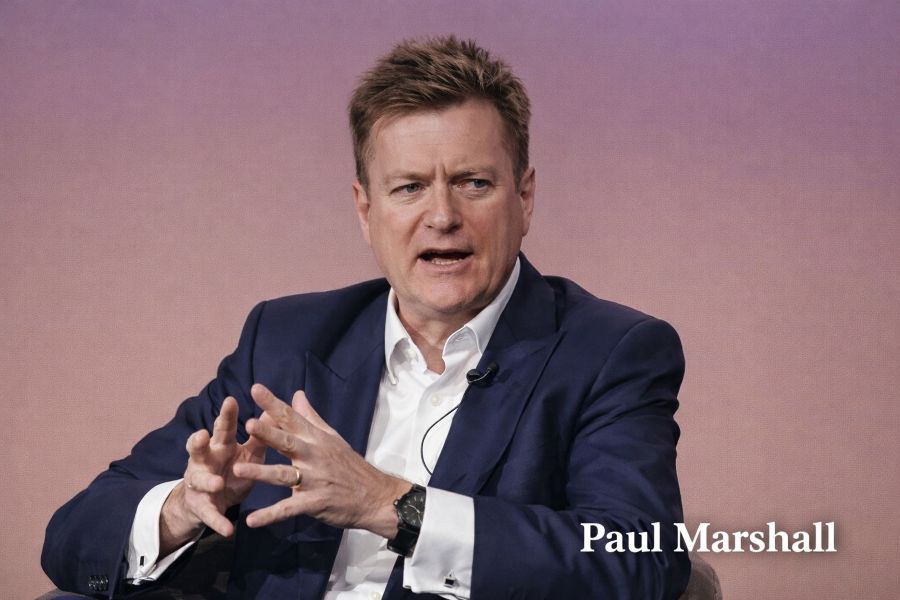
Paul Marshall is one of the most influential figures in modern Britain, known for his formidable presence in finance, philanthropy, and media ownership. From building a globally respected hedge fund to shaping education policy and public debate, his career reflects ambition, discipline, and long-term vision. At the same time, his growing influence in media has sparked debate, drawing both admiration and criticism. This combination of achievement and controversy has made Paul Marshall a central figure in discussions about power, responsibility, and influence in contemporary Britain.
Table of Contents
ToggleHis journey is not defined by a single role. He is an investor, a philanthropist, a policy influencer, and increasingly, a media owner. Each phase of his life shows a deliberate move toward impact, often extending beyond financial success. Understanding Paul Marshall requires looking at both his accomplishments and the questions raised by his expanding reach.
Quick Bio
| Field | Details |
|---|---|
| Full Name | Paul Roderick Clucas Marshall |
| Known As | Paul Marshall |
| Date of Birth | 2 August 1959 |
| Age | 66 years |
| Birthplace | Ealing, London, England |
| Nationality | British |
| Religion | Christian |
| Profession | Hedge fund manager, investor, philanthropist, media owner |
| Marital Status | Married |
| Spouse | Sabina de Balkany |
| Children | Winston Marshall, Giovanna Marshall |
Early Life and Family Background
Paul Marshall was born in London and spent parts of his early life influenced by an international family environment due to his father’s senior corporate role overseas. This exposure to global perspectives at a young age shaped his worldview and later informed his interest in economics, politics, and institutional reform. Returning to the United Kingdom for formal education, he developed a strong academic foundation that would later support his professional ambitions.
His family background also exposed him to journalism and public affairs through his sister, a professional journalist. This early proximity to media and reporting helped foster an understanding of how narratives shape public opinion, a theme that would reappear later in his life through media ownership and commentary platforms.
Education and Intellectual Formation
Marshall’s education played a decisive role in shaping his analytical and strategic thinking. He attended a leading British secondary school before progressing to the University of Oxford, where he developed strong critical reasoning skills. His academic years were marked by an interest in public policy, economics, and institutional structures rather than narrow technical specialisation.
He later completed a postgraduate business education in Europe, which refined his understanding of global markets, corporate leadership, and risk management. This combination of humanities-driven thinking and business training became a defining feature of his career, enabling him to move comfortably between finance, policy, and public discourse.
The Start of His Career in Finance
Paul Marshall began his professional career in the investment management sector, working within established financial institutions. These early roles provided exposure to asset management, market analysis, and disciplined investment strategies. During this period, he gained practical insight into how capital flows, incentives, and decision-making operate within large financial systems.
This phase of his career was formative rather than public. It allowed him to refine his investment philosophy and build professional networks without media attention. The experience laid the groundwork for his most significant business venture, which would later place him among Europe’s most successful hedge fund managers.
Marshall Wace and Financial Success
The defining moment of Marshall’s business career came with the founding of a hedge fund that would grow into one of Europe’s most influential investment firms. Under his leadership, the firm developed a reputation for innovation, discipline, and strong performance. Its growth reflected not only financial skill but also organisational design and long-term strategic planning.
Marshall’s role within the firm was both executive and intellectual. He contributed to shaping investment frameworks and governance culture while maintaining a focus on sustainability and risk control. The success of this venture established his personal wealth and enabled his later expansion into philanthropy, education, and media.
Philanthropy and Education Reform
Beyond finance, Paul Marshall has invested significant time and resources into education and social impact initiatives. He has been closely involved in organisations aimed at improving educational outcomes and institutional effectiveness. His work in this area reflects a belief that long-term social progress depends on strong education systems and accountable governance.
His involvement in public service included advisory and leadership roles connected to education policy. These contributions earned formal recognition and reinforced his public image as a philanthropist committed to societal improvement. Supporters praise this work for its strategic focus, while critics question the influence of private wealth in public policy.
Media Ownership and Public Debate
In later years, Marshall expanded his influence into media, founding and acquiring platforms focused on opinion, commentary, and public debate. These ventures positioned him as a key figure shaping narratives around politics, culture, and society. The move into media was seen by supporters as a commitment to open debate and intellectual diversity.
However, media ownership also brought criticism. Observers raised concerns about concentration of influence and ideological positioning. These debates have kept Marshall in the public eye, highlighting the tension between free expression, ownership power, and public responsibility in modern media ecosystems.
Personal Life and Values
Despite his public influence, Paul Marshall maintains a relatively private personal life. He is married and has children, some of whom have pursued creative and professional paths of their own. His personal values are shaped by faith, education, and a belief in institutional reform rather than short-term popularity.
These values inform both his philanthropy and business decisions. Admirers see consistency between his stated principles and long-term commitments, while critics argue that power inevitably creates imbalance. This contrast adds complexity to his public persona.
Public Image: Achievement and Criticism
Paul Marshall’s public image is defined by both admiration and controversy. He is respected for building successful institutions and contributing to education reform, yet questioned for the scale of his influence in finance and media. This duality makes him a compelling figure in discussions about modern capitalism and democracy.
Rather than avoiding criticism, Marshall has continued to expand his involvement in areas he considers important. This persistence suggests confidence in his convictions and acceptance of public scrutiny as part of leadership at scale.
Conclusion
Paul Marshall represents a powerful example of how financial success can translate into wider societal influence. His career spans finance, education, philanthropy, and media, reflecting both strategic brilliance and the challenges of concentrated power. While his achievements are undeniable, debates around his influence remain active and unresolved.
Ultimately, his legacy will be shaped not only by wealth or institutions, but by how his actions influence public trust, education systems, and the quality of democratic debate in Britain.
Frequently Asked Questions
Who is Paul Marshall?
Paul Marshall is a British hedge fund manager, investor, philanthropist, and media owner known for his influence in finance, education, and public debate.
What is Paul Marshall known for?
He is best known for co-founding a major hedge fund, supporting education reform, and owning media platforms that influence public discourse.
Is Paul Marshall involved in journalism?
While not a journalist himself, his family background includes journalism, and he owns media platforms connected to opinion and commentary.
Does Paul Marshall work in politics?
He has contributed to public policy through advisory and leadership roles but is not an active politician.
What defines Paul Marshall’s legacy?
His legacy lies in combining financial success with long-term institutional influence, alongside ongoing debate about the role of private power in public life.