Key Reasons to Hire Structural Engineers Near Me for Safe and Reliable Property Development Projects

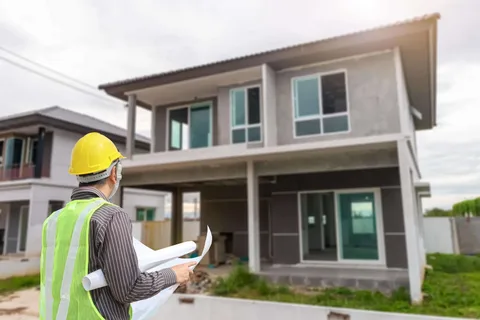
When homeowners and developers begin planning an extension, loft conversion or significant renovation, the focus tends to land on design and planning permission first. Structural engineering often comes into the conversation later, sometimes too late. Searching for structural engineers near me early in the process is one of the most practical decisions a homeowner can make, and understanding why helps explain the difference between a project that runs smoothly and one that does not.
What a Structural Engineer Actually Does
A structural engineer assesses and designs the load bearing elements of a building. On a residential project this typically means calculating the size and specification of steel beams, designing foundations, assessing existing structures before they are altered and producing calculations that satisfy building control requirements.
Without that input, a contractor cannot safely remove a load bearing wall, open up a ground floor to create open plan living, or install a dormer that alters the roof structure. The structural engineer’s calculations are not optional extras. They are a legal and technical requirement for any work that affects how a building carries its own weight.
Why Proximity and Local Knowledge Matter
Structural requirements are influenced by ground conditions, local soil types, the age and construction method of the building, and in some areas proximity to underground infrastructure. A structural engineer who works regularly in your area will have practical familiarity with the ground conditions typical to your street, the construction characteristics of the housing stock in your borough, and the specific expectations of your local building control team.
That familiarity has real value. It means calculations and specifications are grounded in local reality rather than generic assumptions, and it reduces the likelihood of building control queries that slow the project down. It also means site visits are practical and cost effective rather than burdened by travel time and expenses passed back to the client.
The Most Common Situations Where a Structural Engineer Is Required
Homeowners are sometimes unsure whether their project actually needs structural engineering input. The following situations almost always do.
Removing or altering a load bearing wall is the most frequent trigger on residential projects. Whether that is opening up a kitchen and dining room, creating a larger living space or removing a chimney breast, the structural implications need to be calculated and certified by a qualified engineer before work begins.
Rear extensions and side returns require foundation design and beam calculations where the new structure connects to the existing building. The size and specification of the steel lintel or beam spanning the opening between old and new is a structural engineering calculation, not a contractor estimate.
Loft conversions involve modifying the roof structure, installing new floor joists capable of carrying the loads of a habitable room, and often introducing steel to support the dormer or new ridge. Every one of those elements requires engineering input.
Basement conversions are among the most structurally complex residential projects undertaken. Underpinning existing foundations, managing groundwater, designing retaining walls and ensuring the structure above remains stable throughout the dig all require specialist structural knowledge.
Any project involving a change of use, the addition of a storey or the introduction of significant new loads onto an existing structure will also require a structural engineer to assess and certify the works.
What to Look For When Hiring a Structural Engineer
Credentials are the starting point. Membership of the Institution of Structural Engineers (MIStructE) or the Institution of Civil Engineers (MICE) indicates that an engineer has met the professional standards required to practice. Chartered status within either body provides an additional level of assurance.
Residential experience matters as much as general qualification. Structural engineering covers a wide range of sectors and a firm that primarily works on commercial or infrastructure projects may not have the same depth of experience with the specific constraints of extending or modifying a Victorian terrace or an Edwardian semi detached house.
Responsiveness and clear communication are practical factors that affect how smoothly a project runs. Structural engineers who explain their recommendations in plain terms, respond promptly to contractor queries on site and engage constructively with the architect and building control tend to keep projects moving. Those who are slow to respond or produce calculations that raise more questions than they answer do not.
Fee transparency is also worth assessing upfront. Structural engineering fees for residential projects should be clearly scoped and agreed before work begins, covering the specific elements that need to be designed and calculated rather than an open ended arrangement that expands as the project develops.
How Structural Engineering and Architecture Work Together
The most efficient projects are those where the structural engineer and the architect are working together from an early stage. When the structural strategy is considered during the design phase rather than after planning permission is granted, the design can be shaped around what is structurally practical and cost effective to build. Beam positions, foundation types and connection details can all influence the finished design in ways that matter to the homeowner, and resolving those questions early avoids costly redesigns later.
Extension Architecture works with a network of experienced structural engineers across London whose knowledge of residential construction, local ground conditions and building control expectations has been tested across a wide range of projects. Bringing that engineering input into the process early is part of how Extension Architecture delivers projects that are properly coordinated from feasibility through to construction completion, without the delays and additional costs that arise when structural issues are left to be resolved on site.
For homeowners beginning to plan a project, getting structural engineering advice early is not a precaution. It is simply the right way to start.