Keeping homes and workplaces clean has always been a time-consuming task, but modern technology has transformed how people approach everyday chores. Among the most innovative household appliances today, robot vacuum cleaners stand out as a game-changer. These smart devices have redefined convenience, efficiency, and cleanliness by offering automated solutions that fit seamlessly into busy lifestyles.
Understanding Robot Vacuum Cleaners
Robot vacuum cleaners are compact, autonomous devices designed to clean floors without requiring constant human supervision. Equipped with advanced sensors, intelligent navigation systems, and powerful suction capabilities, these machines can move around a home or office, detect dirt, and clean various surfaces effectively.
Unlike traditional vacuum cleaners, which require manual operation, these robotic devices can be programmed to clean at specific times. Many models are compatible with mobile apps, allowing users to control them remotely. This integration of smart technology ensures a more personalized and efficient cleaning experience.
How They Work
The functionality of robot vacuum cleaners relies on a combination of sensors, brushes, and suction mechanisms. Sensors help the device navigate obstacles, avoid falling off edges like stairs, and map out cleaning paths. Some advanced models even use laser mapping or cameras to create detailed layouts of the environment.
Once activated, the vacuum cleaner moves systematically across the floor, collecting dust, debris, and pet hair. Side brushes pull dirt from corners and edges, while the main brush and suction system ensure thorough cleaning. Many units automatically return to their charging dock when the battery runs low, making them highly convenient for daily use.
Benefits of Using Robot Vacuum Cleaners
One of the most significant advantages of robot vacuum cleaners is the time they save. In today’s fast-paced world, people often struggle to find time for household chores. These devices operate independently, allowing users to focus on other important tasks.
Another benefit is consistency. Robot vacuum cleaners can be scheduled to clean regularly, ensuring that floors remain clean without requiring manual effort. This is particularly useful in households with pets or children, where dirt accumulates quickly.
In addition to convenience, these devices contribute to better indoor air quality. By regularly removing dust and allergens, they help create a healthier living environment. Many models also come with HEPA filters, which are highly effective at capturing fine particles.
Smart Features and Innovations
The latest generation of robot vacuum cleaners comes with a wide range of smart features. Voice control integration allows users to operate the device using virtual assistants, making it even more user-friendly. Mobile apps provide real-time updates, cleaning schedules, and customization options.
Some models are equipped with advanced mapping technology that enables them to clean specific rooms or avoid certain areas. Others include mopping functions, combining vacuuming and floor cleaning in a single device. These innovations make robot vacuum cleaners more versatile and efficient than ever before.
Another notable advancement is obstacle recognition. Modern units can identify objects such as cables, furniture, and even pet waste, ensuring smoother operation and preventing damage.
Applications Beyond Homes
While robot vacuum cleaners are widely used in residential settings, their applications extend far beyond homes. Businesses, offices, and industrial spaces are increasingly adopting these devices to maintain cleanliness efficiently.
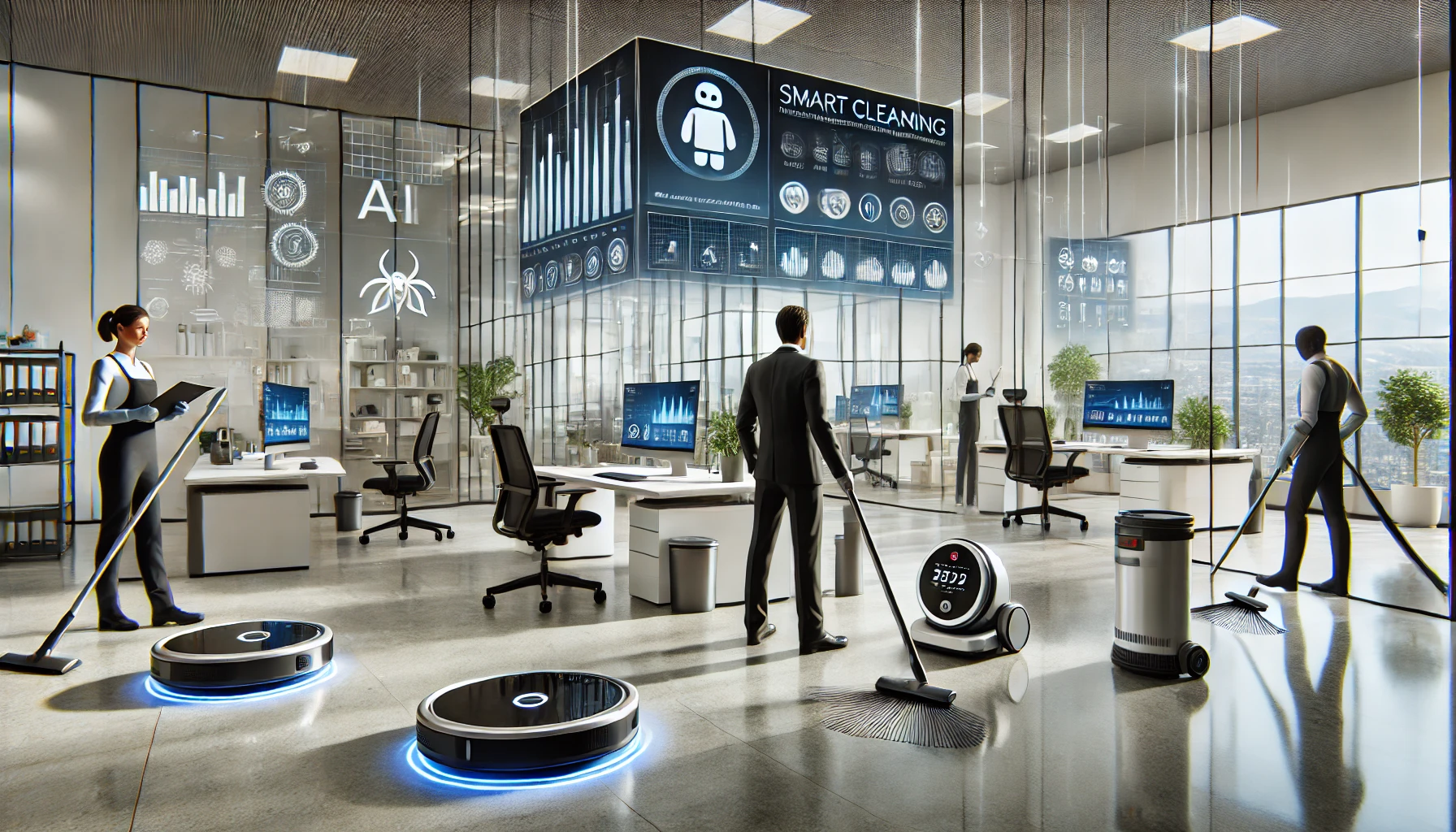
Modern facilities are also increasingly integrating robot vacuum cleaners to maintain floor cleanliness autonomously between deep cleaning sessions. This approach not only reduces labor costs but also ensures that spaces remain presentable at all times.
Hotels, shopping malls, and healthcare facilities benefit greatly from these devices, as they can operate quietly and continuously without disrupting daily activities. Their ability to maintain high standards of cleanliness makes them a valuable asset in commercial environments.
Choosing the Right Robot Vacuum Cleaner
Selecting the right robot vacuum cleaner depends on several factors, including the size of the space, type of flooring, and specific cleaning needs. Homes with carpets may require models with stronger suction power, while those with hard floors might benefit from units with mopping capabilities.
Battery life is another important consideration. Larger spaces require devices with longer operating times to ensure complete coverage. Additionally, the size of the dustbin and ease of maintenance play a role in determining the overall convenience of the device.
Smart features such as app control, mapping, and voice integration can enhance the user experience, but they may also increase the cost. It is essential to find a balance between functionality and budget when making a decision.
Maintenance and Care
Although robot vacuum cleaners are designed to operate independently, regular maintenance is necessary to ensure optimal performance. Cleaning the brushes, emptying the dustbin, and checking the filters are essential tasks that should not be overlooked.
Proper maintenance not only extends the lifespan of the device but also ensures consistent cleaning results. Users should also keep the floor free of small objects that could obstruct the vacuum’s movement.
Updating the device’s software, if applicable, can improve performance and add new features. Many manufacturers provide regular updates to enhance navigation and efficiency.
The Future of Cleaning Technology
The evolution of robot vacuum cleaners reflects a broader trend toward automation and smart living. As technology continues to advance, these devices are expected to become even more intelligent and efficient.
Future models may incorporate artificial intelligence to learn user preferences and adapt cleaning patterns accordingly. Improved battery technology could allow for longer operating times, while enhanced sensors may enable more precise navigation.
Integration with smart home ecosystems is also likely to expand, allowing robot vacuum cleaners to work seamlessly with other devices. This level of connectivity will further simplify household management and improve overall convenience.
Conclusion
Robot vacuum cleaners have revolutionized the way people approach cleaning, offering a blend of convenience, efficiency, and innovation. From saving time to improving indoor air quality, these devices provide numerous benefits for both residential and commercial settings.
As technology continues to evolve, robot vacuum cleaners will play an increasingly important role in maintaining clean and healthy environments. Their ability to operate autonomously and adapt to different needs makes them an essential part of modern living. Investing in one of these smart devices is not just about convenience; it is a step toward a more efficient and automated future.