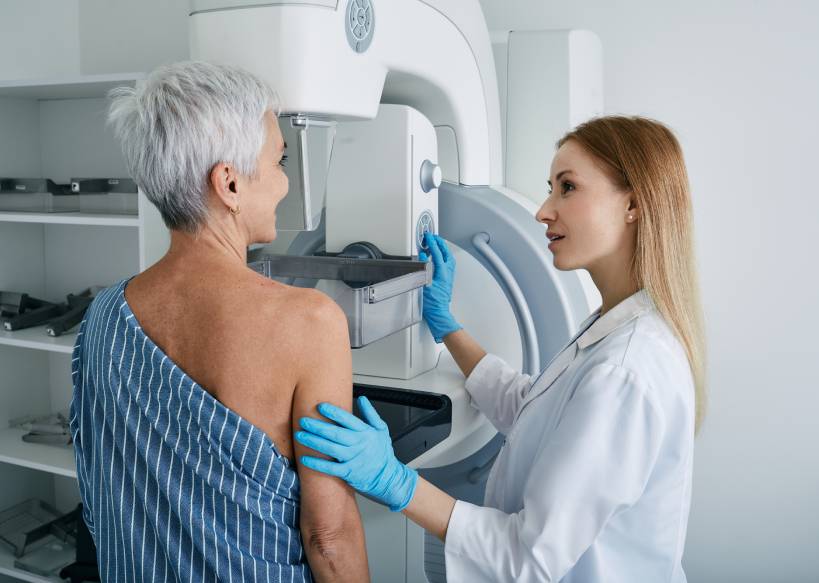
Choosing the right mammography clinic near you can feel heavy and confusing. You know early detection saves lives, yet long wait times, rushed visits, and unclear results can leave you worried. You deserve clear answers, gentle care, and trusted skill close to home. This guide helps you sort through common questions so you can pick a clinic that fits your needs and your body. It explains what to look for in staff training, equipment, and follow-up support. It also touches on special needs, such as Boise dense breast imaging, so you know when extra testing may help. You will see how to ask sharp questions, read reviews with care, and check insurance without surprise. By the end, you can walk into your next mammogram with less fear and more control. Your health is personal. Your clinic choice should respect that.
Know when to start and how often to screen
First, know your screening plan. Different groups give different age ranges for mammograms. This can cause doubt and delay. You can use the facts to shape a plan that fits your risk and your comfort.
You can also talk with your primary care doctor about:
- Your age and family history
- Past chest radiation or hormone use
- Any breast changes you already feel or see
For plain guidance, you can read the U.S. Preventive Services Task Force advice on breast cancer screening at their official page. You can also check the Centers for Disease Control and Prevention summary at this CDC resource.
Check clinic quality and safety
Next, check if the clinic meets strict federal rules. In the United States, every mammography clinic must hold a current certificate under the Mammography Quality Standards Act, or MQSA.
You can look for:
- The MQSA certificate is posted in the waiting room
- Clear signs about how long they keep images and reports
- Easy ways to get copies of your records
You can also ask these direct questions:
- Is the clinic accredited by the American College of Radiology
- How often do technologists and radiologists update their training
- How many mammograms do they read each year
Understand types of mammograms and extra tests
Not every clinic offers the same tests. Some offer only standard 2D mammograms. Others offer 3D mammograms, also called tomosynthesis. Many clinics now add ultrasound or MRI for certain patients.
Here is a simple comparison to help you see the differences.
| Test type | What it does | Who may need it | Key limits
|
|---|---|---|---|
| 2D mammogram | Uses low-dose X-rays to take two flat images of each breast | Most people at average risk | Can miss small cancers in dense breast tissue |
| 3D mammogram | Takes many thin images that a computer stacks into a 3D view | People with dense breasts or past unclear 2D images | May cost more and is not always covered by every plan |
| Breast ultrasound | Uses sound waves to look at breast tissue | Often for dense breasts, lumps, or follow-up of a finding | Can find many harmless changes and may lead to extra tests |
| Breast MRI | Uses magnets and radio waves with contrast dye | People at very high risk, such as strong family history | More cost, less access, and can show many harmless spots |
You do not need every test. You do need a clinic that explains which test fits you and why. You also need clear, written results that use simple words.
Ask about dense breasts and clear results
Dense breast tissue can hide cancers on a standard mammogram. Many states now require clinics to tell you if you have dense breasts. The letter may sound stiff and cold. You can still act on it.
You can ask the clinic:
- Do you offer 3D mammography for dense breasts
- Do you add ultrasound for dense breast screening when needed
- How do you explain dense breast results in plain language
Strong clinics do not rush this part. They give you time to ask questions. They also tell you when another test will not help, so you can avoid fear and extra cost.
Look at comfort, privacy, and support
Breast screening can stir up worry and shame. A good clinic respects that. You deserve a space that feels safe, calm, and private.
Notice these signs of respect:
- Staff speak with care and do not blame or judge
- Gowns fit different body sizes
- Separate changing rooms with clear storage for your clothes
- Short wait in a quiet space
You can also ask if you may bring a support person. Many clinics allow this in the waiting room. Some allow it in the consultation room when results are explained.
Check access, cost, and insurance
Cost should not stop you from screening. Yet surprise bills can scare you away. You can lower that risk by asking clear questions before you book.
Ask the clinic billing staff:
- Are you in the network for my insurance plan
- What is my expected out-of-pocket cost for a screening mammogram
- Will I pay more if the radiologist asks for extra views on the same day
- What changes if a screening visit becomes a diagnostic visit
You can also ask about:
- Evening or weekend hours
- Bus and train routes nearby
- On site parking cost
These details can shape how easy it is to keep your yearly visit.
Use reviews and word of mouth with care
Online reviews can help. They can also mislead. One harsh review can reflect a rare mix-up. One glowing review can miss problems with follow-up.
You can look for patterns such as:
- Many people praise or complain about staff respect
- Repeated notes about long wait times for results
- Comments on how the clinic handles call-backs and biopsies
You can then ask trusted people in your life about their experiences. Simple questions help. For example. Were you treated with respect? Did you understand your results? Would you go back?
Plan your visit and next steps
Once you choose a clinic, set yourself up for a calmer visit.
You can:
- Bring past mammogram CDs or reports if you have them
- Make a list of breast changes or pain you notice
- Write down your questions about results, dense breasts, or extra tests
After the visit, you should receive a written result in clear language within a set time. If you do not hear back, you can call. Your worry deserves a clear answer, not silence.
Your choice of clinic sends a message to yourself. It says your body matters. It says your time and your fear deserve respect. You can choose a clinic that earns your trust and keeps it, one careful visit at a time.