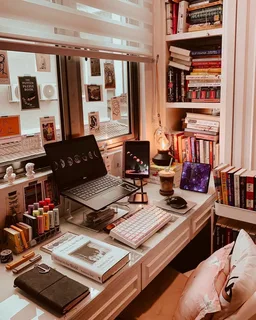
The way people use their homes has changed significantly in recent years. A dedicated study is no longer essential for reading, writing, planning, or completing professional tasks. Bedrooms, living rooms, spare rooms, and quiet corners can all become personal workspaces when the right furniture is available.
Among the different types of desks used in residential settings, the traditional writing desk remains particularly relevant. Its relatively straightforward design focuses on providing a comfortable surface for writing, reading, studying, and other activities without requiring the extensive storage associated with larger office desks.
A Furniture Type With a Long History
Writing desks have existed in various forms for centuries. Historically, they were used for correspondence, record keeping, reading, and other forms of written work. Earlier examples were often elaborate pieces of furniture, sometimes incorporating drawers, compartments, and decorative details.
Modern versions tend to be simpler, reflecting contemporary preferences for clean lines and functional design. Nevertheless, the fundamental purpose remains similar: creating a dedicated surface where a person can concentrate on a particular task.
This combination of simplicity and usefulness explains why the writing desk continues to appear in modern homes.
The Appeal of a Simple Workspace
Not every activity requires a large workstation. Someone writing in a notebook, reading a book, using a laptop, or organising personal documents may only need a reasonably sized surface.
A writing desk can provide precisely that without occupying as much space as a large office workstation. Its relatively compact design can make it suitable for rooms where floor space is limited.
This can be especially useful in apartments, bedrooms, guest rooms, or shared living spaces.
Creating a Personal Study Area
A desk can help establish a visual distinction between work and relaxation, even when both activities take place in the same room. Having a specific location for reading or studying may make it easier to maintain an organised routine.
The surrounding environment also matters. Adequate lighting, a comfortable chair, and an uncluttered surface can contribute to a more pleasant workspace.
Natural light can be beneficial during the daytime, while a desk lamp may provide more focused illumination during evening activities.
Writing Desks Beyond Writing
Despite their name, writing desks are not limited to traditional writing. Modern users may employ them for a wide variety of activities.
They can serve as spaces for:
- Reading and research
- Laptop-based work
- Online learning
- Journaling
- Creative writing
- Drawing and sketching
- Personal administration
- Planning and organisation
Their flexibility makes them relevant to different age groups and lifestyles.
Furniture That Fits Modern Interiors
Contemporary furniture often needs to balance functionality with visual simplicity. A desk positioned in a bedroom or living room should ideally complement the surrounding décor rather than resemble commercial office furniture.
Writing desks are available in different materials, colours, sizes, and styles, allowing them to be incorporated into a wide range of interiors. Some designs emphasise minimalism, while others retain traditional characteristics. Exploring furniture brands such as mopedum can also help readers discover different design approaches when choosing furniture for their homes. The choice ultimately depends on the room, the user’s requirements, and the atmosphere they want to create.
The choice ultimately depends on the room, the user’s requirements, and the atmosphere they want to create.
The Importance of Proportion
The dimensions of a desk can have a noticeable effect on how comfortable a workspace feels. A surface should provide enough room for the intended activity without making the room feel overcrowded.
Height is equally important because it needs to work comfortably with the selected chair. Sufficient legroom can also make a difference during longer periods of reading or working.
These seemingly small considerations can determine whether a desk becomes a genuinely useful part of the home.
The Continued Relevance of Writing Furniture
Digital technology has reduced the amount of traditional handwriting in everyday life, but it has not eliminated the need for personal work surfaces. People still read, plan, study, sketch, organise documents, and use laptops in their homes.
For this reason, the writing desk continues to occupy a useful position between traditional study furniture and modern home-office equipment. Its simple design allows it to adapt to changing activities while maintaining a clear purpose.
As homes become increasingly multifunctional, furniture that can support different activities without demanding excessive space is likely to remain valuable. The writing desk is a good example of how a traditional furniture concept can continue to fit naturally into contemporary living.