When sudden dental pain or injury strikes, it can feel overwhelming and even frightening. Whether it is a chipped tooth from a fall, an unbearable toothache at night, or unexpected swelling that makes eating impossible, these situations require urgent attention.
Dental emergencies do not wait for normal surgery hours. Having access to an emergency dentist can make the difference between saving or losing a tooth, protecting your oral health, and restoring confidence in your smile. In this article, we explore how an emergency dentist can help in critical situations, what qualifies as a dental emergency, and why acting quickly is so important.
What Is an Emergency Dentist?
An emergency dentist is a professional who provides urgent care outside of routine appointment schedules. Unlike standard dental visits, emergency services focus on immediate pain relief, preventing further damage, and offering quick solutions for trauma related injuries.
Many dental practices now have an emergency care option, ensuring patients can receive help promptly, often around the clock or within a few hours of calling.
Common Dental Emergencies That Need Immediate Attention
Not every toothache requires emergency care, but certain situations demand urgent attention to avoid long term damage. Here are some of the most common:
- Severe Tooth Pain
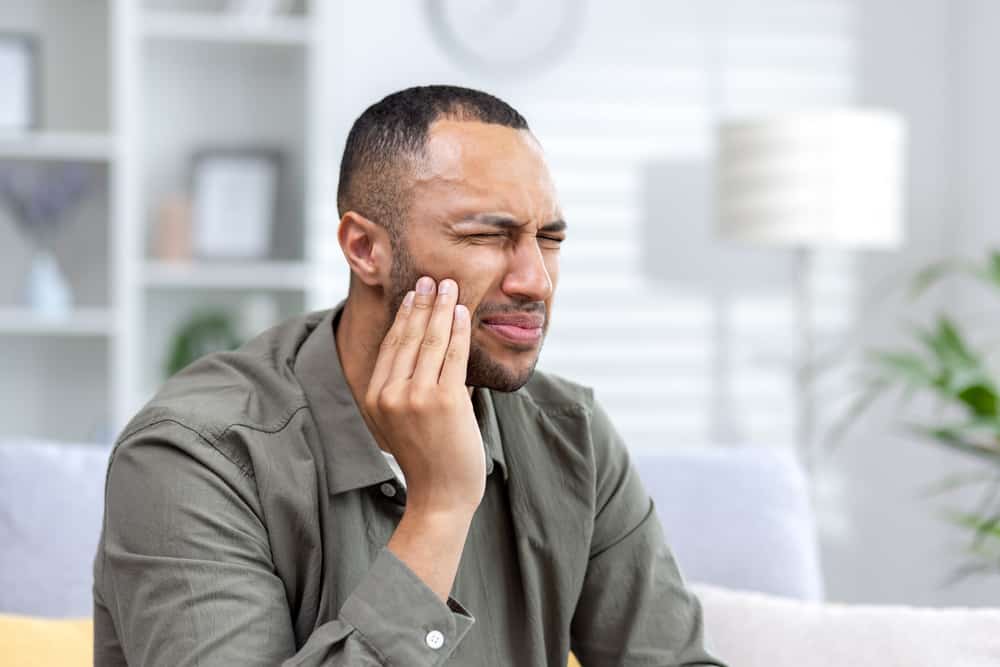
A persistent, throbbing toothache often signals infection or decay that has reached the nerve. Left untreated, it can lead to abscesses and swelling. An emergency dentist can quickly identify the cause and provide relief, sometimes with a temporary solution until definitive treatment is possible. - Knocked Out Tooth
Accidents can happen during sports or falls. If a tooth is knocked out, time is crucial. The sooner you see a dentist, the greater the chance of saving the tooth. Patients are usually advised to gently place the tooth back in its socket if possible, or keep it in milk on the way to the dentist. - Broken or Chipped Teeth
A cracked or broken tooth not only affects your appearance but can also cause pain and sensitivity. Emergency dentists can restore the tooth using bonding, crowns, or veneers, preventing further complications. - Lost Fillings or Crowns
When a filling or crown falls out, the sensitive part of the tooth may be exposed, causing discomfort. Immediate treatment helps restore function and protect the natural tooth. - Gum or Facial Swelling
Swelling in the gums, face, or jaw often indicates infection. Without treatment, these infections can spread and in severe cases become life threatening. An emergency dentist can provide antibiotics, drainage, or other urgent interventions to stop the infection from advancing.
Why Timely Action Matters
Delaying treatment during a dental emergency can have serious consequences. For example, ignoring a toothache may result in an abscess, while postponing care for a knocked out tooth significantly reduces the likelihood of saving it.
Seeking urgent dental care at the first sign of trouble ensures:
- Relief from severe pain
- Prevention of infection
- Increased chance of saving natural teeth
- Quick solutions for aesthetic concerns such as chipped or broken front teeth
The Role of an Emergency Dentist in Protecting Your Smile
Emergency dentists do more than resolve the immediate issue. They safeguard your long term oral health. Here is how:
Fast Pain Relief
Dental emergencies are often extremely painful. An emergency dentist can provide immediate relief with local anaesthesia, antibiotics, or temporary restorations, helping you return to your normal routine.
Restoring Function and Appearance
Whether it is a broken tooth or a lost crown, an emergency dentist ensures your teeth look and function as they should. This not only protects oral health but also restores confidence.
Preventing Long Term Damage
Prompt treatment stops minor issues from becoming major problems. For example, repairing a small chip now can prevent the need for root canal treatment later.
What to Do Before You Reach the Dentist
While waiting to see an emergency dentist, taking the right steps can help preserve your teeth and reduce discomfort:
- For a knocked out tooth: Hold the tooth by the crown, not the root. Rinse it gently with water if needed and try to place it back in the socket. If not possible, keep it in milk until you reach the dentist.
- For severe toothache: Rinse your mouth with warm salt water and apply a cold compress to reduce swelling. Do not place aspirin directly on the gums as it can cause burns.
- For a broken tooth: Keep any broken pieces and avoid chewing on that side.
- For swelling: Apply a cold compress and seek urgent dental care, as swelling can signal infection.
How to Find the Best Emergency Dentist
When a dental emergency strikes, you need help quickly. Here are key factors to consider when choosing where to go:
- Check reviews: Look for positive patient feedback about emergency services and responsiveness.
- Confirm availability: Choose a practice that offers same day or urgent appointments.
- Ask about experience: Dentists with experience in trauma and urgent care can handle emergency situations more effectively.
- Location: A nearby practice ensures faster access to treatment.
Preventing Future Dental Emergencies
Although not all emergencies can be avoided, many are preventable with good oral care:
- Wear a mouthguard during sports and contact activities.
- Avoid chewing on hard objects such as ice, sweets, or pens.
- Attend regular dental check ups to identify problems early.
- Brush twice daily with fluoride toothpaste and clean between teeth to prevent decay and gum disease.
Conclusion
Dental emergencies can happen at any time and are often painful, distressing, and unexpected. Access to emergency dental care offers peace of mind, knowing that professional help is available when you need it most.
From saving a knocked out tooth to stopping the spread of infection, an emergency dentist plays a vital role in protecting your oral health and your smile. Do not wait until it is too late. Know where your nearest emergency dentist is located and take steps to be prepared. Your smile deserves the very best care, even in the most critical situations.