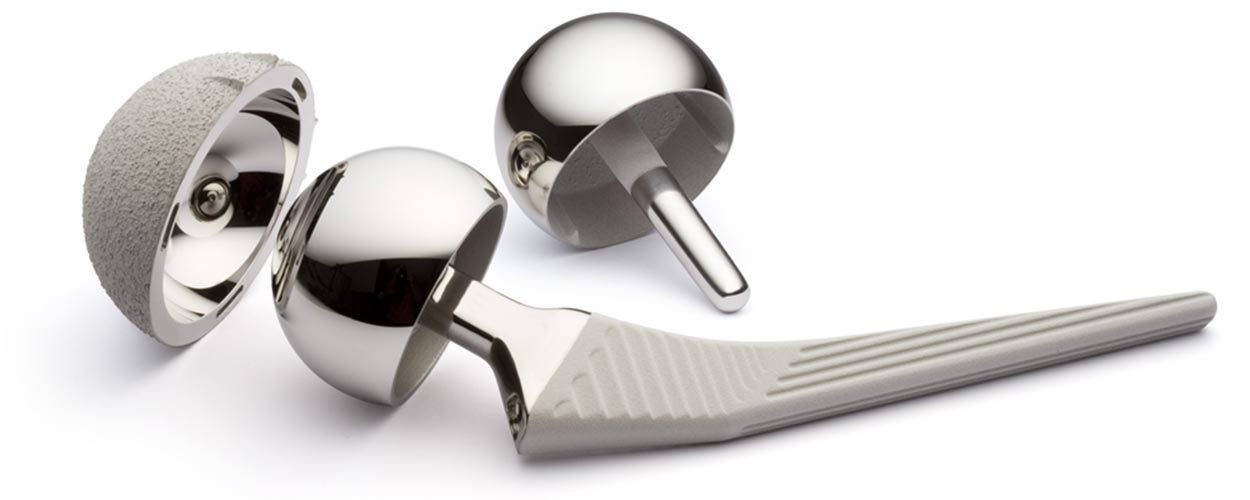
A hip replacement should bring relief. When a device fails, you face pain, fear, and confusion instead. This guide explains what happens when a hip implant is defective and what you can do next. You learn how to spot warning signs, how doctors confirm a problem, and what treatment options exist. You also see how recalls work, including past issues with Stryker hip replacements. You get clear steps for protecting your health, your records, and your legal rights. You may feel angry or exhausted. That response is human. You still deserve straight answers and safe care. This guide helps you talk with your surgeon, ask hard questions, and decide on your next move with more control and less doubt.
What a “defective” hip replacement means
You expect your new hip to reduce pain and help you move. A defective hip replacement does the opposite. It harms you instead of helping you.
A hip implant can be defective when:
- The device design is unsafe.
- The parts were made wrong.
- The device was put in your body the wrong way.
- The parts wear out faster than expected.
You are not to blame. You did not cause the defect by walking, lifting a child, or doing simple chores. The problem lives in the device or in the way it was put in.
Common warning signs you should not ignore
Your body often gives early warnings. You protect yourself when you listen and act quickly. Call your surgeon or primary doctor if you notice:
- New hip pain or pain that grows over time.
- Swelling around the hip or thigh.
- Clicking, grinding, or popping inside the hip.
- Feeling that the joint slips, shifts, or “gives out.”
- Red or warm skin near the scar.
- Drainage from the incision.
- Fever or chills with hip pain.
- New trouble walking or standing.
In some metal on metal hips, tiny metal pieces can enter your blood. Then you may notice:
- New hearing or vision problems.
- Ringing in the ears.
- Unusual tiredness.
- Brain fog or trouble focusing.
Do not wait for the pain to be “bad enough.” Early testing can prevent more harm.
How doctors confirm a problem
Your doctor can use several tests to check your hip. You can ask what each test shows and why it matters.
- Physical exam. The doctor checks your range of motion, strength, and pain.
- X rays. These show the position of the parts, any fractures, or signs of loosening.
- Blood tests. These look for infection and for high metal levels in some implants.
- MRI or CT scans. These show soft tissue damage or fluid collections.
- Joint fluid test. A needle removes fluid to test for infection or metal debris.
The U.S. Food and Drug Administration explains how metal on metal hips can affect the body. You can bring this information to your visit and use it to guide questions.
Recalls and safety alerts
A recall happens when a company or the government decides that a device has a safety problem. You may hear words like “safety alert” or “market withdrawal.” These can affect how your hip is checked or treated.
Key points about recalls:
- You will not always get a recall letter. Records may be old or incomplete.
- Your surgeon or hospital may know about a recall before you do.
- A recall does not always mean you need surgery. It does mean you need careful follow up.
You can look up your device on the FDA medical device recall database. You first need the brand and model. You can get this from your implant card, your hospital records, or your surgeon.
Possible health risks from defective hips
A defective hip replacement can harm different parts of your body. You should know the main risks so you can watch for them.
- Ongoing pain. This can limit work, sleep, and family time.
- Infection. This can spread and require urgent surgery and strong drugs.
- Bone loss. Loose parts can grind bone and weaken your hip.
- Metal poisoning. High metal levels can damage nerves and organs.
- Dislocation. The ball can slip out of the socket and cause sudden pain.
The American Academy of Orthopaedic Surgeons offers clear information on normal hip replacement recovery. You can compare your own progress to these general patterns.
Treatment options if your hip is defective
Your choices depend on your symptoms, test results, age, and health. You and your doctor can discuss options such as:
- Close monitoring. Regular visits, X rays, and blood tests.
- Medicines and therapy. Pain relief, walkers, or physical therapy to help you move.
- Revision surgery. Removal of the defective implant and placement of a new one.
Revision surgery is harder than first time surgery. It may require longer time in the hospital and more support at home. You deserve clear answers about risks, benefits, and likely recovery time.
Comparison of common hip implant concerns
| Issue | Possible Signs | Typical Next Step
|
|---|---|---|
| Loosening of implant | Growing pain when walking. Feeling of instability. | X ray. Possible revision surgery. |
| Infection | Redness. Warmth. Drainage. Fever. | Blood tests. Joint fluid test. Urgent treatment. |
| Metal debris | Hip pain. Tiredness. Ringing in ears. | Blood metal levels. Imaging. Possible revision. |
| Dislocation | Sudden sharp pain. Leg looks shorter or turned. | Emergency care. Possible reduction or surgery. |
Protecting your records and your rights
You can protect yourself by collecting key records. These documents support your medical care and any legal review.
- Implant card or sticker labels with brand, model, and lot number.
- Hospital records from the original surgery and any later procedures.
- Clinic notes that describe your pain and limits.
- Test results, including X ray reports and blood tests.
- List of missed work days and out of pocket costs.
You can keep copies in one folder or electronic file. You can write a simple health journal that tracks pain levels, walking distance, and sleep. This story of your daily struggle helps doctors see the full impact on your life.
How to talk with your surgeon
Hard talks can feel scary. You still have the right to clear information. You can bring a spouse, family member, or trusted person to your visit.
You can ask direct questions such as:
- What exact device do I have, including brand and model.
- Has this device been linked to higher failure rates.
- What do my X rays show today.
- What are all my options, including no surgery right now.
- What result do you expect from each option.
You also have the right to seek a second opinion. A second set of eyes can confirm the plan or offer a safer path.
Taking your next step
A defective hip replacement can shake your trust and your sense of safety. You are not alone in this struggle. You deserve care that respects your pain, your time, and your choices.
Your next step can be simple. Call your surgeon. Ask for your records. Write down your symptoms. With each small step, you gain more control and less fear. You cannot change the past surgery. You can still fight for safer care and a more stable future for your body and your family.