Manaslu Trek Nepal: Complete Guide to the Manaslu Circuit with Tsum Valley Trek, Cost, Permits & Best Trekking Agency in Nepal

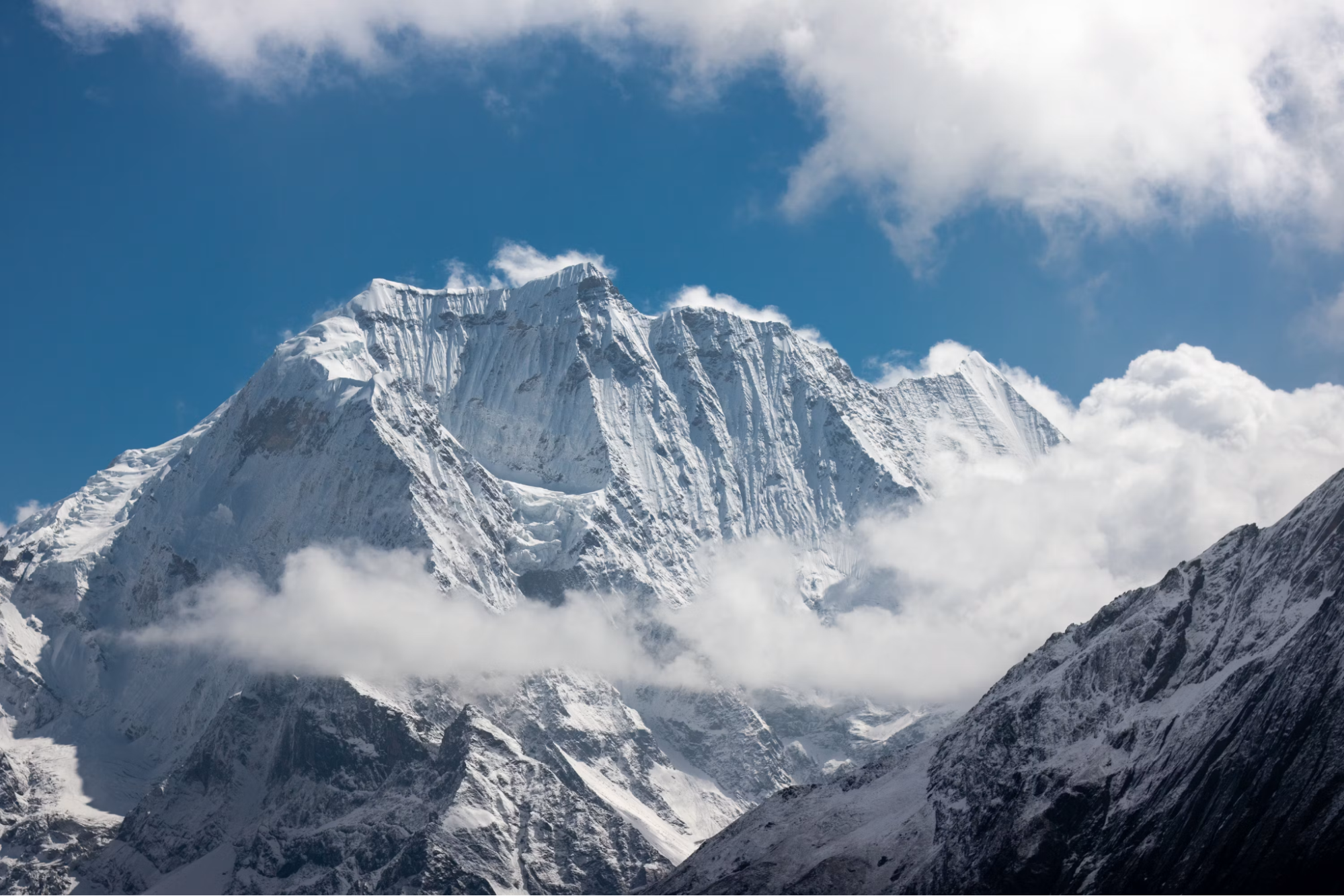
Most trekkers dream about Everest or Annapurna first. But if you’re looking for quieter trails, authentic Himalayan villages, Tibetan Buddhist culture, and dramatic mountain scenery without the crowds, Manaslu Trek Nepal deserves a place at the top of your list.
The Manaslu Circuit with Tsum Valley Trek combines one of Nepal’s most scenic high-altitude circuits with one of its most culturally preserved valleys. Since this is a restricted region, planning isn’t quite as simple as booking an ordinary hiking trip. Choosing the right Trekking Agency in Nepal becomes just as important as picking the itinerary itself.
This guide walks through everything travelers usually want to know before booking — route overviews, permits, cost, difficulty, accommodation, weather, packing, safety, and how to pick a trekking operator you can actually trust. Whether you’re comparing Nepal’s famous trekking regions or getting ready for your first Himalayan adventure, this should help you plan with a bit more confidence.
Manaslu Trek Nepal Overview
Mount Manaslu, the eighth-highest mountain on earth at 8,163 meters, sits quietly in the Gorkha district of west-central Nepal. Unlike Everest, it doesn’t pull in thousands of visitors every season, which is exactly what makes the region so appealing. Trails wind through terraced fields, pine forests, and narrow gorges before climbing toward glaciers and high passes.
What separates Manaslu from Everest and Annapurna is the sense of remoteness that still lingers here. Villages feel untouched by mass tourism, suspension bridges sway over glacial rivers, and the mountain views open up gradually rather than all at once. For trekkers chasing something a little more raw, this is one of Nepal’s best remote trekking destinations.
Manaslu Circuit with Tsum Valley Trek Overview
The Tsum Valley is a hidden, sacred valley tucked north of the main Manaslu circuit, close to the Tibetan border. It was only opened to foreign trekkers in 2008, so the Tibetan Buddhist heritage here has stayed remarkably intact — ancient monasteries, chortens, and mani walls line the trails, and local traditions are still very much part of daily life rather than a show for visitors.
Combining Tsum Valley with the main circuit gives you a longer, richer trekking experience. You get the spiritual side — monastery visits, prayer flags fluttering over hidden villages, monks going about their routines — alongside the raw mountain scenery of the Manaslu Circuit itself. The Manaslu Circuit with Tsum Valley Trek is ideal for travelers who want both spectacular mountain scenery and meaningful cultural experiences, and it’s a big reason photographers and culture-focused travelers keep coming back to this route.
Why the Manaslu Region Is Becoming One of Nepal’s Best Trekking Destinations
Less Crowded Than Everest
You won’t be queuing at checkpoints or sharing teahouse dining rooms with fifty other trekkers. Trails here feel personal, almost private some days.
Rich Tibetan Buddhist Culture
Monasteries, prayer wheels, and centuries-old customs are woven into everyday village life, not staged for tourists.
Incredible Mountain Views
Manaslu, Himalchuli, and Ganesh Himal dominate the skyline at different points along the route, often catching you off guard around a bend in the trail.
Remote Himalayan Experience
Limited infrastructure and restricted-area status mean fewer crowds, more silence, and a genuine sense of being somewhere far from everything.
Diverse Landscapes in One Trek
Subtropical forest, terraced farmland, alpine meadows, and high glacial terrain all show up within a couple of weeks of walking.
Route Overview: What You’ll Experience Day by Day
The journey typically begins in Kathmandu, with a long drive toward Machha Khola, where the trail properly starts. From there, trekkers pass through Jagat, Deng, Namrung, and Lho, gaining altitude gradually while the mountains inch closer with each day. Sama Gaun serves as a key acclimatization stop, often with a side trip toward Manaslu Base Camp, before continuing to Samdo and the high, wind-scoured settlement near the Tibetan border.
The route’s centerpiece is the Larkya La Pass, a demanding but hugely rewarding crossing above 5,100 meters, after which the trail descends toward Dharapani and eventually connects with the Annapurna region. Trekkers doing the combined route branch off earlier into Tsum Valley, following the Shiar Khola up toward Chhokangparo, Mu Gompa, and Rachen Gompa before rejoining the main Manaslu trail — adding several days of monastery visits and remote village life to the overall trek.
Highlights of the Manaslu Circuit with Tsum Valley Trek
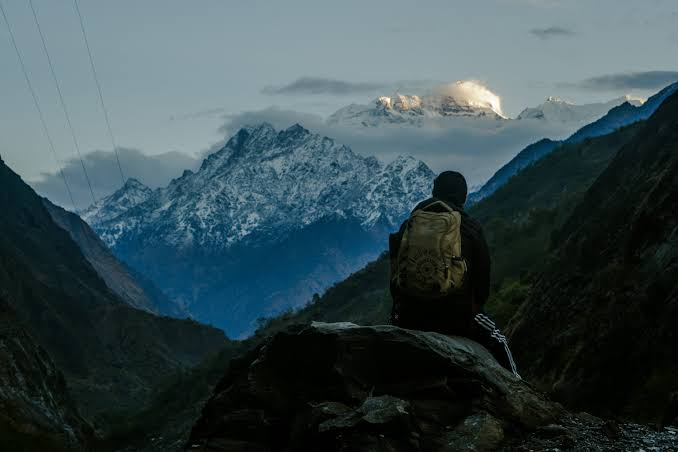
Crossing the Larkya La Pass is the trek’s defining moment, with sweeping views over Cheo Himal, Himlung, and the Annapurnas on a clear morning. Manaslu itself appears again and again from different angles, alongside Ganesh Himal and Himalchuli, two peaks that rarely get the attention they deserve.
In Tsum Valley, Mu Gompa and Rachen Gompa stand out as spiritual highlights, both still active monasteries where monks and nuns carry on centuries-old routines. Birendra Lake, near Sama Gaun, offers a striking turquoise contrast against the glacier behind it. Along the way, yak pastures, ancient monasteries, warm local hospitality, patches of forest, and swaying suspension bridges keep the trail visually interesting almost every single day. Wildlife sightings — including the occasional Himalayan tahr or musk deer — are an added bonus for trekkers who keep their eyes open.
Best Time for Manaslu Trek Nepal
Spring (March–May)
Rhododendron forests bloom in shades of red and pink, temperatures are mild at lower elevations, and visibility is generally good once morning haze clears.
Autumn (September–November)
This is the classic trekking season, and for good reason. Skies stay clear, mountain views are at their sharpest, and several local festivals fall within this window, adding extra cultural color to the trek.
Winter Trekking
Winter brings peaceful, near-empty trails and crisp mountain views, but cold temperatures and the risk of snow blocking Larkya La Pass make it a tougher, less predictable option.
Monsoon Season
Heavy rain, slippery trails, leeches, and landslide risk make monsoon months (roughly June–August) one to avoid unless you have a very specific reason for going.
Trek Difficulty, Fitness & Altitude
This isn’t a beginner’s stroll, but it’s manageable for reasonably fit hikers with some prior trekking experience. Expect five to seven hours of walking most days, with the highest point at Larkya La Pass sitting above 5,100 meters. Altitude sickness is a real concern here, which is why proper acclimatization days are built into any sensible itinerary.
Preparation matters more than raw athleticism. A few months of regular cardio, some hill walking with a loaded pack, and basic strength training go a long way. First-time high-altitude trekkers can absolutely do Manaslu, provided they go slow, stay hydrated, and travel with an experienced guide who knows how to read early symptoms of altitude sickness.
Manaslu Trek Nepal Permits Explained
Because Manaslu sits in a restricted border region, permits aren’t optional paperwork — they’re the law. Trekkers need a Restricted Area Permit, along with the Manaslu Conservation Area Permit (MCAP) and, since the route connects into Annapurna territory, often an ACAP permit as well. Anyone continuing into Tsum Valley needs an additional Tsum Valley permit on top of these.
These permits exist partly for border security and partly to manage tourism impact on a fragile, culturally sensitive region. One important rule that surprises many travelers: solo trekking isn’t allowed here. Government regulations require trekkers to travel with a registered guide and, in most cases, through a licensed agency — which brings us to arguably the most important decision in this whole process.
How to Choose the Best Trekking Agency In Nepal
One of the most important decisions is selecting a professional Trekking Agency in Nepal that genuinely understands the Manaslu region — its permits, its weather patterns, and its villages.
Government Registration
Confirm the company is registered with Nepal’s Department of Tourism and holds proper trekking agency licensing.
Licensed Trekking Guides
Guides should carry official government licenses and, ideally, wilderness first-aid training given the altitude involved.
Transparent Pricing
A trustworthy operator breaks down exactly what’s included — permits, meals, staff wages — rather than quoting a vague lump sum.
Experienced Local Team
Local knowledge of Manaslu’s teahouses, trail conditions, and weather quirks makes a real difference in both safety and enjoyment.
Emergency Support
Ask about evacuation procedures, communication equipment, and insurance coordination before you sign anything.
Reviews and Reputation
Genuine trekker reviews, not just polished testimonials on a website, tell you a lot about how a company actually operates on the ground.
Customized Itineraries
Good agencies adjust pacing and acclimatization days based on your fitness level rather than pushing a rigid, one-size-fits-all schedule.
Many international travelers choose experienced local operators such as Adventure Great Himalaya, since knowledgeable guides, solid logistics, and transparent planning often make remote Himalayan journeys noticeably safer and more enjoyable.
Accommodation and Food During the Trek
This is classic tea house trekking, meaning simple guesthouses rather than hotels. Rooms are basic — twin beds, thin walls, shared bathrooms in most places — and heating usually comes from a communal wood or dung stove in the dining hall rather than in individual rooms. Electricity and Wi-Fi exist in many villages now, though both get patchier and pricier the higher you climb, and charging devices often costs a small fee.
Meals lean heavily on dal bhat (rice, lentils, vegetables), along with noodles, soups, and simple breakfast items like porridge or eggs. Bottled water is available but expensive and environmentally wasteful this high up; most trekkers carry a filter or purification tablets instead.
Manaslu Trek Cost: What Is Included?
Pricing varies by agency, group size, and trip length, but a typical Manaslu trekking package includes permits, a licensed guide, porter support, teahouse accommodation, meals during the trek, and transportation to and from the trailhead. Travel insurance covering high-altitude trekking and emergency evacuation is essential and usually arranged separately.
Budget for personal expenses too — snacks, hot showers, charging fees, Wi-Fi, and tips for your guide and porter, which is customary at trek’s end. If you need gear like a down jacket or sleeping bag, rental shops in Kathmandu are inexpensive and save you from lugging heavy equipment across continents.
Essential Packing List
Layering is everything on this trek, since temperatures swing dramatically between lower valleys and the high pass. A good down jacket, a warm sleeping bag rated for sub-zero conditions, and sturdy, broken-in trekking boots are non-negotiable. Waterproof outer layers, trekking poles, and a reliable headlamp round out the essentials, especially for the early pre-dawn start over Larkya La.
Pack a basic medical kit with altitude sickness medication, a power bank for charging on the go, and a water purification method rather than relying on bottled water. Don’t forget your permits, passport copies, and passport photos — you’ll need several throughout the trek for checkpoint registrations.
Responsible Trekking Tips
Respecting local culture goes a long way in a region where Tibetan Buddhist traditions run deep — dress modestly, ask before photographing monks or locals, and walk clockwise around mani walls and chortens. Avoid single-use plastics where possible, support local teahouses and shops over imported goods, and stick to marked trails to protect fragile wildlife habitats. Small habits like these, multiplied across thousands of trekkers, genuinely shape how sustainable this region stays for the next generation of travelers.
Manaslu Trek Nepal vs Other Popular Nepal Treks
Compared to Everest Base Camp, Manaslu offers similar altitude challenges with far fewer crowds and no flights to worry about. Against the Annapurna Circuit, Manaslu feels wilder and less developed, though Annapurna still edges it out on teahouse comfort. Compared to Langtang Valley, Manaslu is longer, more remote, and culturally deeper thanks to Tsum Valley — though Langtang remains a solid choice for shorter timeframes.
Who Should Choose the Manaslu Circuit with Tsum Valley Trek?
This trek suits adventure seekers who’ve done a bit of trekking before, nature lovers craving diverse landscapes, and photographers chasing untouched monastery scenes. Culture enthusiasts and experienced hikers looking for something beyond the standard Everest or Annapurna route will find exactly what they’re after here — quieter trails, authentic village life, and a genuine sense of discovery.
Final Thoughts
Manaslu Trek Nepal is, quite simply, one of the most rewarding trekking adventures the Himalayas have to offer. The Manaslu Circuit with Tsum Valley Trek in particular delivers an exceptional mix of dramatic mountain scenery, deep cultural heritage, and genuine remote wilderness that’s getting harder to find elsewhere in Nepal.
Choosing an experienced Trekking Agency in Nepal can make or break the trip — good logistics and knowledgeable guides directly translate into a safer, smoother, more enjoyable journey. Plan early, prepare your body and gear properly, and trek responsibly, keeping in mind that the villages and landscapes you’re passing through are someone else’s home, not just a backdrop for your photos.
Frequently Asked Questions
- Is the Manaslu Trek Nepal suitable for beginners?
It’s doable for beginners with reasonable fitness, but it’s not the easiest introduction to trekking either. High altitude, restricted-area regulations, and several long walking days mean some prior hiking experience and a few months of physical preparation really help. Going with an experienced guide makes a big difference for first-timers.
- How many days does the Manaslu Circuit with Tsum Valley Trek take?
Most itineraries run between 16 and 20 days, depending on how many extra days are added for Tsum Valley exploration and acclimatization. Rushing this trek isn’t a good idea — the extra days exist for a reason, both for altitude safety and to properly experience the valley’s monasteries and villages.
- Do I need a trekking agency in Nepal for the Manaslu region?
Yes. Manaslu is a restricted area, and government regulations require trekkers to be accompanied by a licensed guide, which in practice means booking through a registered trekking agency. Beyond the legal requirement, a good agency also handles permits, logistics, and emergency support that would be difficult to arrange independently.
- What is the best time to do the Manaslu Trek Nepal?
Autumn (September to November) is generally considered the best season thanks to stable weather and clear mountain views, while spring (March to May) is a close second with blooming rhododendrons and pleasant temperatures. Both offer better trail conditions and visibility than winter or monsoon months.
- How much does the Manaslu Circuit with Tsum Valley Trek cost?
Costs vary based on trip length, group size, and what’s included, but packages typically cover permits, guide and porter fees, accommodation, and meals during the trek. It’s worth checking carefully what’s included versus what counts as a personal expense, since prices can look deceptively low if permits or emergency support aren’t factored in