Why Tax Planning Should Happen in September, Not March
Why Tax Planning Should Happen in September, Not March

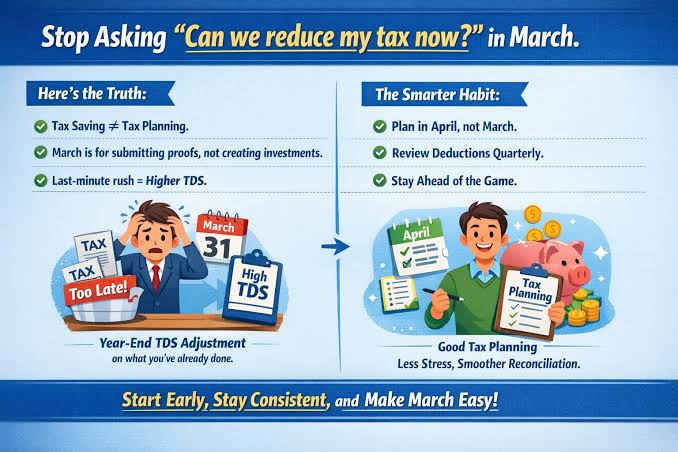
Most people wait until the final weeks of the tax year to look at their finances. By the time March arrives, the window to make meaningful changes is often too small. You might find yourself rushing to fill ISA gaps or making pension contributions without a clear strategy.
Starting your review in September gives you a six-month head start. This mid-year point is the perfect time to assess your earnings and identify any potential liabilities. You’ll have enough data from the first half of the year to make accurate predictions without the pressure of a looming deadline.
Getting your ducks in a row now ensures you don’t miss out on valuable reliefs come April. Read further to find out how early preparation can protect your wealth.
Maximise Your Annual Allowances
The UK tax year offers several generous allowances, but they operate on a use it or lose it basis. For the 2025/26 tax year, the ISA allowance remains at £20,000. This means that you can invest up to £20,000 across your savings accounts each tax year without paying any tax on the interest, dividends, or capital gains your investments generate. If you wait until March to invest, you might not have the liquidity available to use the full amount.
By starting in September, you can spread your investments over several months. This helps with pound-cost averaging, which can reduce the impact of market volatility on your portfolio. It’s also a good time to review your Capital Gains Tax (CGT) allowance, which is currently at £3,000.
If you have assets that have grown significantly, you might want to sell them gradually. Planning this in the autumn allows you to offset gains against any losses you’ve already incurred. Rathbones end-of-year tax planning offers a way to manage these assets before the window closes. Their tax experts can help you structure disposals in a way that makes the most of your annual exemptions.
Optimise Pension Contributions
Pension planning is one of the most effective ways to reduce your tax bill. Most UK taxpayers can contribute up to £60,000 annually or 100% of their earnings, whichever is lower. If you’re a higher-rate taxpayer, you’ll receive 20% tax relief automatically on these contributions, with the option to claim an additional 20% through your self-assessment tax return.
Waiting until March to make a lump-sum payment can be risky if your income is prone to fluctuations. In September, you’ll have a better idea of your total annual salary and any bonuses. You can then adjust your monthly contributions to ensure you stay within the annual allowance limits.
Don’t forget about Carry Forward rules. These allow you to use unused allowances from the previous three years. It takes time to calculate these figures accurately, especially if you have multiple pension pots. Starting now means you won’t fall foul of complex tapered annual allowance rules that affect high earners.
Prepare for Inheritance Tax and Gifting
Inheritance Tax (IHT) is often called a voluntary tax because careful planning can significantly reduce the bill. The standard nil-rate band is £325,000, but many people forget about their annual gifting exemption. You can give away up to £3,000 each year entirely free of IHT.
If you didn’t use your exemption last year, you can carry it forward for one year only. September is the ideal time to make these gifts. It allows you to see how much surplus cash you have after your summer spending.
- Annual Exemption: Gift up to £3,000 per year.
- Small Gifts: Give up to £250 to as many people as you like.
- Wedding Gifts: Parents can give up to £5,000 to children.
- Regular Out of Income: Give unlimited amounts if it doesn’t affect your lifestyle.
Avoid the Last Minute Stress
The end of the tax year is the busiest time for banks, platforms, and HMRC. If you try to open a new account or transfer a pension in late March, you might face delays. These administrative bottlenecks can result in you missing a deadline through no fault of your own.
In September, financial providers have more capacity. Your applications will be processed faster, and you’ll have time to fix any errors. You’ll also avoid the emotional stress of making big financial decisions in a hurry.
Taking action now will put you in a position of strength. You’ll be able to enjoy the spring knowing your finances are already sorted. It’s much better to spend your March planning a holiday than worrying about a tax return.
In a Nutshell
Moving your financial review to September is a simple shift that offers huge benefits. You’ll have more time to react to any legislative changes and more flexibility with your cash flow. Proactive planning is always more effective than reactive scrambling.
If you haven’t looked at your tax position yet, make it a priority. You’ll be glad you did when the new tax year arrives.
The value of your investments and the income from them may go down as well as up, and you could get back less than you invested. Past performance should not be seen as an indication of future performance. https://westernbusiness.co.uk/