Robert Peston: A Fearless Voice in British Journalism
The Authority, Influence, and Unfiltered Truth of a Modern Journalist

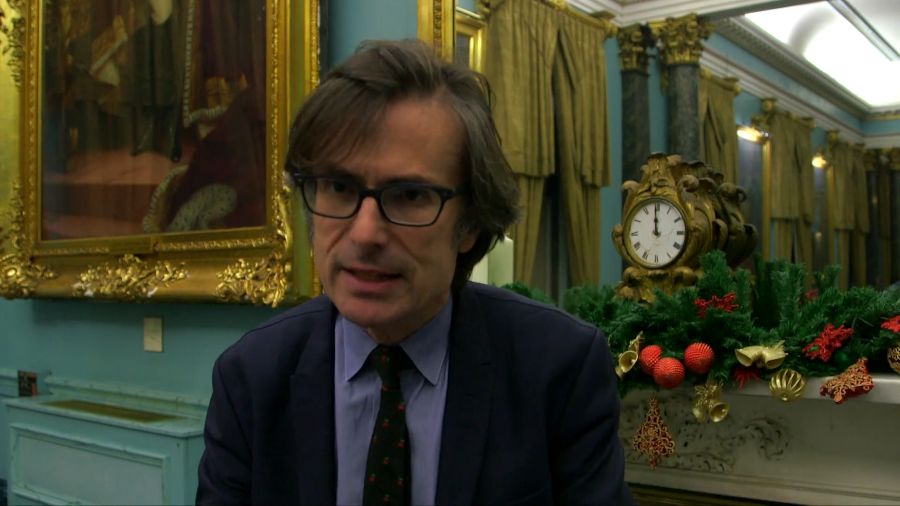
Introduction
Robert Peston is widely recognised as one of the most influential journalists in modern Britain. Known for his deep analysis, distinctive delivery, and ability to explain complex economic and political issues, he has shaped public understanding during some of the UK’s most turbulent moments. His reporting style is admired for its clarity and courage, yet sometimes criticised for its intensity and unconventional presentation. This balance of strength and controversy has defined his public identity.
Table of Contents
ToggleAs a journalist, broadcaster, and author, Robert Peston has built a career grounded in facts, investigation, and public accountability. From print journalism to prime-time television, his professional journey reflects both the power and pressure of modern media. This article explores his life, education, career, influence, and lasting legacy.
Quick Bio
| Field | Details |
|---|---|
| Full Name | Robert James Kenneth Peston |
| Date of Birth | 25 April 1960 |
| Birthplace | London, England |
| Nationality | British |
| Profession | Journalist, Broadcaster, Author |
| Known For | Economic and political journalism |
| Education | PPE at Oxford University |
| Current Role | Political Editor, ITV News |
Early Life and Background
Robert Peston was born in London into a family deeply engaged with public affairs and intellectual debate. Growing up in an environment where economics, policy, and national issues were openly discussed helped shape his analytical mindset from an early age. His upbringing encouraged curiosity, questioning, and an appreciation for evidence-based argument.
From childhood, he showed a strong interest in how institutions work and how decisions made behind closed doors affect ordinary people. This early exposure laid the foundation for his future as a journalist who would focus not just on headlines, but on the systems and power structures beneath them.
Education and Academic Foundations
Robert Peston received his early education at a comprehensive school in North London, where he developed a strong academic focus. His performance earned him a place at Oxford University, where he studied Philosophy, Politics and Economics. This degree, commonly known as PPE, is widely regarded as one of the most rigorous pathways into public life and journalism.
During his university years, he refined his analytical thinking, learned to challenge assumptions, and gained a deep understanding of political theory and economic systems. These academic foundations later became central to his work as a journalist, enabling him to interpret complex data and policy decisions with authority and precision.
Start of Career in Journalism
Before fully committing to journalism, Robert Peston briefly worked in the financial sector. This early professional experience gave him first-hand exposure to markets, investment culture, and corporate behaviour. Rather than distancing him from journalism, it strengthened his resolve to explain finance and economics in plain language.
He formally entered journalism in the early 1980s, starting in financial reporting. His early articles demonstrated a rare combination of technical accuracy and narrative clarity. Editors quickly recognised his ability to turn complex financial stories into compelling journalism, setting the stage for rapid career progression.
Rise Through Print Journalism
Robert Peston’s career advanced through major British newspapers, where he held senior editorial roles. He worked at influential publications during periods of major political and economic change, building a reputation as a journalist who could uncover uncomfortable truths. His investigative approach and willingness to challenge powerful institutions became defining traits.
While working in print journalism, he also helped establish investigative units focused on accountability and transparency. These roles sharpened his leadership skills and reinforced his belief that journalism should serve the public interest, even when that invites criticism or resistance.
Transition to Broadcast Journalism
The move from print to television marked a turning point in Robert Peston’s career. As a broadcast journalist, he reached a far wider audience and became a familiar face during moments of national uncertainty. His reporting during economic instability brought him widespread recognition and trust.
However, television also amplified scrutiny of his presentation style. While many praised his urgency and depth, others criticised his delivery as unconventional. Despite this, his commitment to substance over style ensured that his analysis remained central to public debate.
Role as a Political Journalist
As his career evolved, Robert Peston expanded his focus from economics to politics. In this role, he became known for tough questioning and a refusal to oversimplify complex issues. His interviews often reveal uncomfortable realities, earning both respect and frustration from political figures.
His work as a political journalist reflects a balance of responsibility and risk. While his approach sometimes attracts criticism, it also reinforces his reputation as an independent voice committed to democratic accountability and informed citizenship.
Writing and Authorship
Alongside broadcasting, Robert Peston has written several books examining politics, leadership, and economic systems. His writing style mirrors his journalism: direct, analytical, and grounded in evidence. Through his books, he has reached audiences seeking deeper context beyond daily news cycles.
His work as an author strengthens his position as a public intellectual rather than a headline-driven commentator. By documenting structural problems and long-term trends, he contributes to broader discussions about governance and reform.
Influence and Public Perception
Robert Peston’s influence extends beyond journalism into education and public engagement. He is widely seen as a journalist who takes responsibility seriously, even when it comes at a personal or professional cost. His work has inspired younger journalists to pursue investigative reporting with integrity.
At the same time, his career demonstrates the challenges of high-profile journalism. Intense scrutiny, public debate, and criticism are constant companions. Yet these pressures have not diminished his commitment to factual reporting and independent analysis.
Conclusion
Robert Peston stands as a powerful example of modern British journalism at its most impactful and demanding. His career reflects both the strength and strain of holding power to account in a fast-moving media landscape. Through persistence, expertise, and intellectual honesty, he has shaped how complex political and economic stories are understood.
As a journalist, his legacy lies not only in the stories he has broken, but in the standards he has upheld. His work continues to influence public debate, reminding audiences that informed democracy depends on rigorous, fearless journalism.
Frequently Asked Questions (FAQ)
Who is Robert Peston?
Robert Peston is a British journalist, broadcaster, and author known for his work in economic and political journalism.
What is Robert Peston best known for?
He is best known for explaining complex financial and political issues to the public, particularly during times of economic crisis.
What did Robert Peston study at university?
He studied Philosophy, Politics and Economics at Oxford University.
Is Robert Peston a journalist or a politician?
He is a journalist, not a politician, although his work closely examines political power and decision-making.
Why is Robert Peston considered influential?
His ability to combine deep analysis with public communication has made him one of the most trusted and recognisable journalists in the UK.