The modern world relies on uninterrupted, efficient, and safe electricity to operate everything from commercial buildings and factories to hospitals, data centers, and large residential complexes. As facilities grow more advanced, so does the complexity of their electrical infrastructure.
At the center of this infrastructure lies one crucial component that dictates safety, stability, and operational excellence: the power switch board. Today’s advanced power switch boards do far more than simply turn circuits on and off.
Power switch board enables smarter energy management, improved efficiency, enhanced safety, and intelligent monitoring. They ensure buildings can handle rising electrical demands, integrate renewable energy sources, and maintain continuous operation even during faults or emergencies.
This comprehensive guide explores how modern power switch boards shape smarter facilities, why they matter, their features, applications, benefits, and how to choose the right system for your site.
What is a Power Switch Board
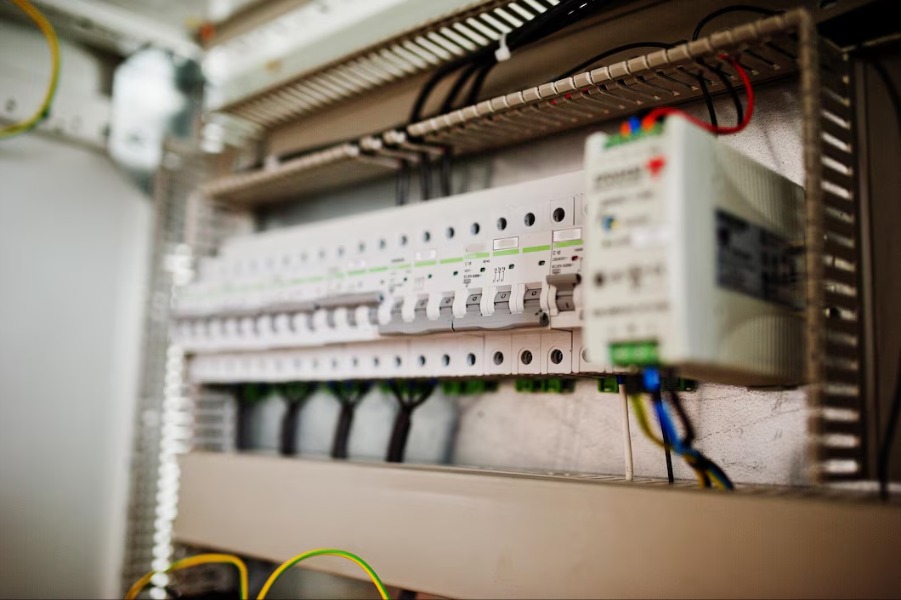
A power switch board is an electrical device used to distribute, control, and protect the flow of electric power within a building or site. It serves as a central hub where electricity from the grid or generators enters, gets regulated, and is distributed to different circuits and equipment.
Although traditional switch boards focused mainly on basic switching and fuse protection, contemporary systems offer far more sophisticated capabilities, including digital monitoring, energy optimization, arc fault protection, and improved segregation for enhanced safety.
Why Power Switch Boards Are Essential for Modern Facilities
As buildings evolve, so do their electrical needs. Modern facilities require:
- Higher power capacity
- Advanced automation
- Precise energy monitoring
- Backup power integration
- Safety compliance
Power switch boards make all these possible by:
- Managing high load distribution
- Protecting equipment from faults
- Ensuring stable power flow
- Allowing safe maintenance access
- Improving energy oversight and reducing waste
In short, without a well designed switch board, a facility’s electrical system becomes vulnerable to outages, electrical failures, and safety hazards.
How Advanced Power Switch Boards Work
Power switch boards function as centralized distribution and control units. Their operation involves:
- Receiving power from a utility source or generator
- Regulating voltage and current
- Distributing electricity to circuits, machines, and equipment
- Providing fault detection and protection
- Enabling system monitoring through digital meters and sensors
- Allowing isolation of circuits for safe maintenance and repair
For modern facilities, this system has become smarter, with built in communication modules, real time monitoring screens, remote management features, and integration with building management systems.
Types of Power Switch Boards Commonly Used Today
Different facilities require different types of switch boards depending on voltage levels, load requirements, and environmental factors.
1. Main Power Switch Boards
These are the primary distribution points for electrical power entering a facility.
- Handle high capacity loads
- Integrate with meters and main breakers
- Serve as the central point for sub panels
Used in:
- Industrial plants
- Large commercial buildings
- Data centers
- Construction sites
2. Distribution Switch Boards
These boards distribute power from the main switch board to specific areas within a building.
- Power lighting systems
- Support HVAC installations
- Supply equipment on different floors
3. Motor Control Switch Boards
Used where multiple motors must be controlled from a single location.
- Integrate motor starters
- Manage heavy machinery
- Provide overload protection
Common in:
- Manufacturing units
- Water treatment plants
- Processing facilities
4. Emergency and Backup Switch Boards
These ensure uninterrupted power during grid failures.
- Connect to generators
- Integrate UPS systems
- Manage critical power distribution
Essential for:
- Hospitals
- Airports
- IT facilities
5. Smart or Digital Switch Boards
These modern switch boards enable advanced monitoring and automation.
- Provide real time energy usage data
- Integrate with smart building systems
- Enhance predictive maintenance
Key Features of Modern Power Switch Boards
Today’s power switch boards are designed not just for performance, but for intelligence, flexibility, and enhanced safety.
1. Digital Monitoring and Control
Smart boards include:
- Touch screen displays
- Real time load measurement
- Power factor analysis
- Remote control capabilities
These features help facility managers optimize energy usage and identify issues early.
2. High Fault Current Capacity
Modern boards are built to withstand greater fault levels, ensuring protection during overloads or short circuits.
3. Arc Fault Protection
Arc faults are among the most dangerous electrical hazards. Advanced power switch boards integrate arc fault containment to prevent fires and equipment damage.
4. Modular and Expandable Design
Modular switch boards allow:
- Easy upgrades
- Capacity expansion
- Simple maintenance
- Integration of new technologies as electrical needs evolve
5. Superior Compartmentalization
Segregated compartments improve safety by ensuring:
- Electrical faults remain contained
- Maintenance personnel can work safely
- Heat dissipation is more efficient
6. Energy Optimization Tools
Many advanced boards incorporate:
- Power factor correction
- Automated load shedding
- Peak demand controls
This helps facilities reduce energy waste and lower electricity costs.
Applications of Advanced Power Switch Boards
Modern switch boards are essential across various industries, each with its own electrical challenges.
Commercial Buildings
Switch boards distribute power to:
- HVAC systems
- Elevators and escalators
- Workplace lighting
- Office equipment
Industrial Facilities
In factories, switch boards must handle heavy loads for:
- Motors
- Conveyor belts
- Machinery
- Production lines
Healthcare Facilities
Hospitals require reliable power for:
- Life support systems
- Diagnostic equipment
- Emergency power backups
- Critical care units
Construction Sites
Temporary power systems rely heavily on switch boards to safely operate:
- Heavy machinery
- Lighting towers
- Power tools
Data Centers
Power switch boards support:
- Server racks
- Cooling systems
- Fire suppression
- Redundant power pathways
Benefits of Using Advanced Power Switch Boards
Choosing advanced power switch boards offers multiple advantages for businesses and facility managers.
1. Improved Safety
- Arc fault prevention
- Better insulation
- Clear circuit segregation
- Overload and short circuit protection
2. Reduced Downtime
Modern boards help avoid costly shutdowns by:
- Detecting faults early
- Enabling quick response
- Providing stable power distribution
3. Enhanced Energy Efficiency
With smart monitoring tools, facilities can:
- Track usage
- Reduce wastage
- Lower electricity expenses
4. Better Operational Control
Advanced switch boards offer:
- Remote monitoring
- Automatic alerts
- Centralized power management
5. Future Ready Infrastructure
Modular designs allow:
- Scaling
- Integration of solar and renewable energy
- Compatibility with automation systems
How to Choose the Right Power Switch Board for Your Facility
Selecting the right solution requires careful consideration and expert guidance.
1. Assess Current and Future Power Requirements
Calculate:
- Total connected load
- Peak load demands
- Possible expansion over time
2. Consider Facility Environment
Account for:
- Temperature levels
- Dust exposure
- Moisture
- Vibration
3. Check Compliance with National and International Standards
Ensure the switch board meets:
- IEC standards
- NEC guidelines
- Local safety codes
4. Evaluate Safety Features
Look for features such as:
- Fault monitoring
- Arc flash containment
- Segregated compartments
5. Determine Backup Power Needs
If the facility requires uninterrupted power:
- Integrate UPS systems
- Add generator compatibility
- Use automatic changeover mechanisms
6. Choose Experienced Manufacturers and Installers
High quality switch boards from Meta Power Solutions ensure durability, safety, and long term performance.
Installation Best Practices for Power Switch Boards
Proper installation is essential for safety and operational reliability.
1. Hire Certified Professionals
Experts ensure compliance and correct configuration.
2. Ensure Proper Ventilation
Switch boards generate heat, and ventilation prevents overheating.
3. Maintain Adequate Clearance
Space is crucial for:
- Maintenance
- Inspections
- Component replacement
4. Use High Quality Components
Durable materials reduce failure risks and extend lifespan.
5. Label All Circuits Clearly
This improves safety during maintenance and emergency response.
Maintenance Requirements for Long Term Performance
Even the best switch boards require regular maintenance.
Routine Inspections
- Check for heating
- Test breakers
- Inspect wiring
- Monitor load levels
Preventive Maintenance
- Cleaning compartments
- Tightening connections
- Testing protective relays
- Replacing worn components
Emergency Maintenance
Respond immediately to:
- Burnt smell
- Sparks
- Overheating
- Flickering lights
How Advanced Power Switch Boards Support Smart Facility Management
Smart buildings demand smart electrical infrastructure. Modern switch boards support:
- Connection with building management systems
- IoT based monitoring
- Automated alerts
- Predictive maintenance tools
These capabilities allow facility managers to make data driven decisions, enhance performance, and reduce costs.
Conclusion
Advanced power switch boards have transformed the way facilities manage electricity. They go far beyond traditional switching and protection. Instead, they offer intelligent monitoring, improved safety, expansion flexibility, and seamless integration with modern building systems.
As buildings become smarter and energy demands rise, the switch board becomes the nerve center of the entire electrical infrastructure. Investing in the right system ensures that your facility operates efficiently, sustainably, and safely.