How Does Commercial Pool Resurfacing Support Better Hygiene and Water Quality Management?

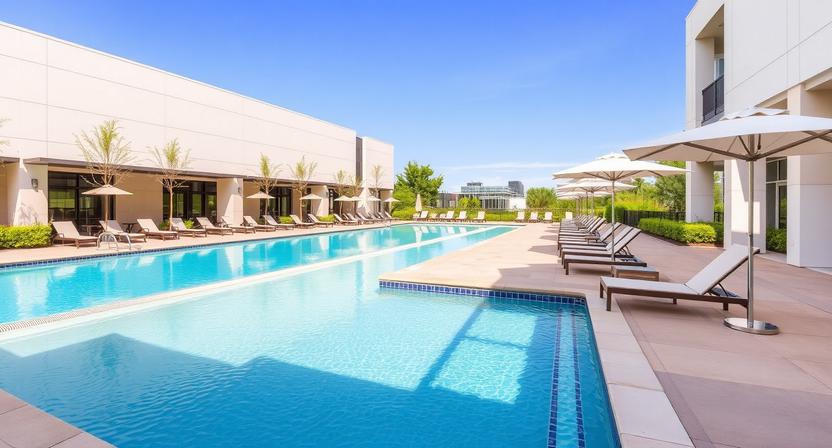
A commercial pool is more than just a recreational feature — it’s a part of your business’s reputation. Whether you manage a hotel, fitness club, waterpark, school, or community center, guests expect clean water, smooth surfaces, and a safe environment. Over time, however, pool surfaces begin to wear down, creating cracks, stains, rough patches, and hidden areas where bacteria can thrive. This is where commercial pool resurfacing becomes essential.
Resurfacing isn’t only about improving appearance; it plays a direct role in improving hygiene, enhancing water quality, and creating a healthier experience for every swimmer. Here’s how resurfacing contributes to long-term sanitation and efficiency.
Removing Bacteria-Harboring Surfaces
As commercial pools age, their surfaces start to erode. Tiny cracks, chips, and porous spots form naturally from constant use, chemical exposure, and water pressure. These flaws become ideal hiding spots for:
- Bacteria
- Algae
- Mold
- Calcium deposits
- Organic buildup
Even with regular cleaning, it becomes difficult to remove contaminants trapped in tiny crevices. Resurfacing creates a smooth, non-porous surface, eliminating the areas where germs accumulate and making cleaning far more effective.
Maintaining Proper Chemical Balance
Water quality depends heavily on maintaining the correct balance of chlorine, pH, alkalinity, and stabilizers. When the pool surface deteriorates, it disrupts this balance in several ways:
- Rough or porous surfaces absorb chemicals, causing them to lose effectiveness.
- Cracks and stains require more frequent shock treatments.
- Algae growth increases chemical demand.
- Unbalanced water leads to skin irritation, cloudy water, and faster equipment wear.
After resurfacing, the pool returns to a smooth, stable surface that interacts predictably with water chemistry. As a result:
- Chemicals last longer
- Water stays cleaner
- Less chlorine is required
- Filtration systems work more efficiently
This leads to more consistent water quality that meets health and safety standards.
Preventing Algae Growth
Algae growth is one of the most common problems in older commercial pools. Rough surfaces give algae a perfect place to attach and spread. Once established, algae can be difficult to fully remove, even with strong chemicals and brushing.
A newly resurfaced pool:
- Eliminates algae-friendly hiding places
- Makes brushing more effective
- Reduces the time and cost of treatments
- Helps maintain a clear and inviting pool appearance
This results in cleaner water with fewer outbreaks and reduced labor for maintenance staff.
Improving Filtration Efficiency
A deteriorating pool surface sheds small particles — dust, plaster, and debris — into the water. These particles:
- Clog filters
- Reduce water flow
- Increase backwashing
- Put strain on pumps
- Allow contaminants to circulate longer
After resurfacing, the pool no longer releases breakdown debris. This allows filtration systems to function at their highest efficiency, letting them:
- Capture fine particles
- Improve water clarity
- Maintain better circulation
- Extend the life of pumps and filters
Consistent filtration plays a major role in keeping pool water hygienic and balanced.
Enhancing Safety for Swimmers
A smooth and stable pool surface isn’t just cleaner — it’s safer. Deteriorating surfaces can cause:
- Skin irritation
- Scratches or cuts
- Slips and falls
- Roughness on feet or legs
Resurfacing eliminates sharp or rough patches, creating a comfortable environment that promotes safe swimming practices. Cleaner water is also healthier for eyes, skin, and respiratory systems, especially in high-traffic commercial settings.
Supporting Compliance With Health Regulations
Commercial pools operate under strict hygiene and safety requirements. Surface issues that contribute to poor water quality can quickly lead to:
- Health violations
- Inspection failures
- Facility closures
- Negative guest experiences
- High repair or liability costs
Resurfacing ensures your pool meets industry and local health standards by:
- Reducing contamination risks
- Supporting balanced chemistry
- Improving sanitization effectiveness
- Enhancing clarity and cleanliness
This makes it easier to stay compliant and maintain a positive reputation.
Boosting Overall Guest Experience
A clean, smooth, well-maintained pool creates a strong first impression. Guests immediately notice:
- Clear, sparkling water
- A bright, uniform surface
- Cleaner surroundings
- A more inviting atmosphere
When the pool looks professionally maintained, it reflects positively on the entire facility.
Final Thoughts
Commercial pool resurfacing is far more than a cosmetic upgrade. It plays a vital role in supporting hygiene, water quality, and long-term safety. By restoring a smooth and durable surface, businesses reduce contamination risks, improve chemical efficiency, and create a healthier environment for every swimmer.
Whether your pool is beginning to show signs of wear or is already experiencing water quality issues, resurfacing is one of the most effective investments you can make for cleanliness, safety, and guest satisfaction.