Nico Harrison – From Global Sports Executive to Mavericks GM: Triumphs, Challenges, and Controversial Decisions
A deep look into the career of Nico Harrison, exploring his inspiring rise, bold moves, and the polarizing choices that shaped his legacy

Introduction
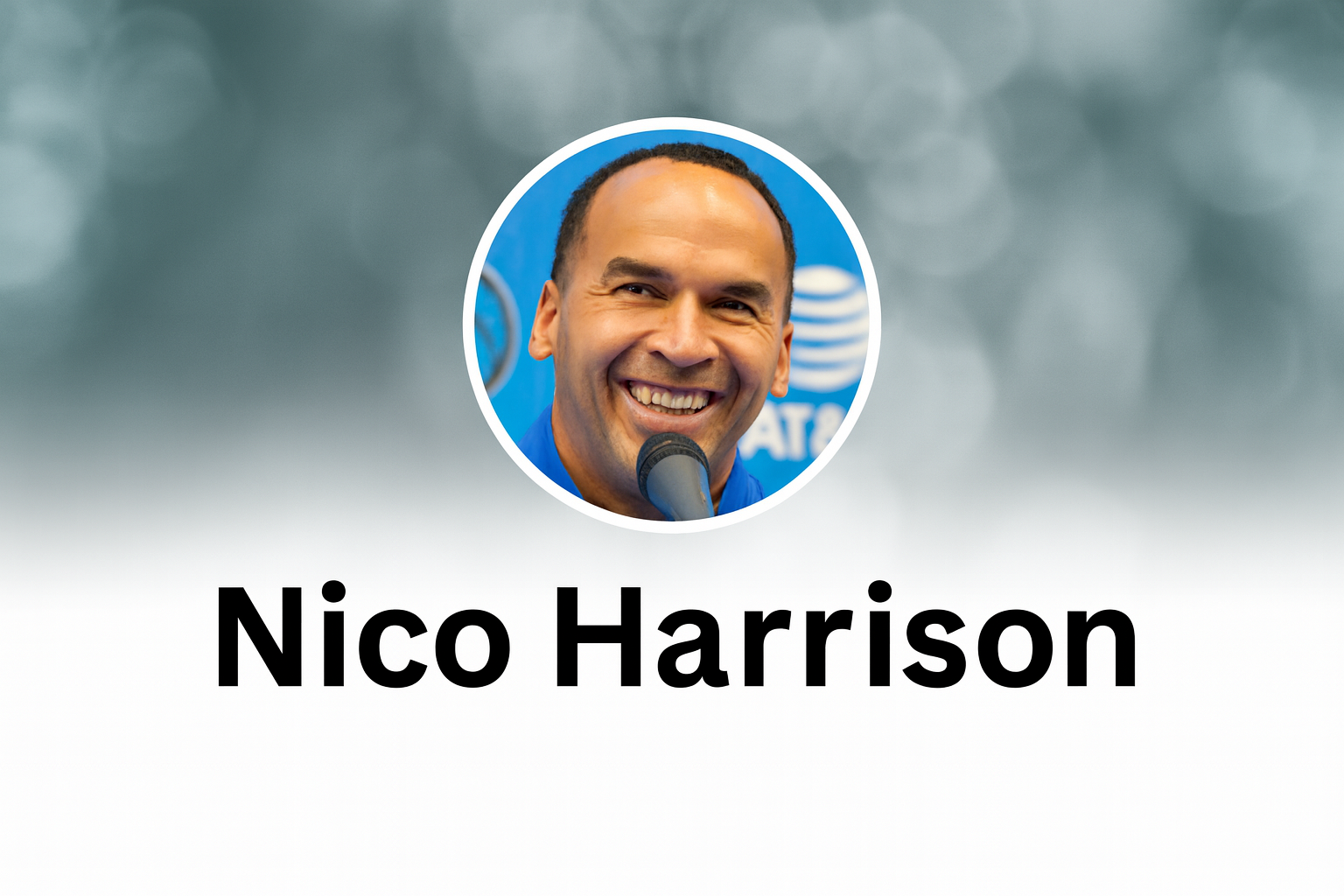
Nico Harrison’s career has been defined by ambition, adaptability, and fearless decision-making. From excelling in collegiate basketball to playing internationally, transitioning into a high-powered corporate role at Nike, and later becoming the President of Basketball Operations and General Manager for the Dallas Mavericks, Harrison’s journey is filled with both praise and criticism. His leadership style and strategic approach have earned admiration for their boldness, while some moves have sparked intense debate in the basketball community.
Known for building strong relationships with elite athletes, Harrison’s tenure at Nike was marked by high-profile partnerships, innovative marketing campaigns, and industry respect. However, his transition into the Mavericks’ front office brought even greater visibility—and scrutiny—especially after a controversial trade involving Luka Dončić. His story reflects both the heights of sports leadership and the challenges of managing expectations in a results-driven environment.
Quick Bio
| Field | Details |
|---|---|
| Full Name | Nico Tyrone Harrison |
| Date of Birth | December 28, 1972 |
| Age | 52 years (as of 2025) |
| Birthplace | Seattle, Washington, USA |
| Nationality | American |
| Spouse | Darlise Harrison |
| Children | Two daughters |
| Education | Montana State University – Biological and Medical Sciences |
| Occupation | President of Basketball Operations & General Manager, Dallas Mavericks |
| Net Worth | Estimated $5–10 million |
| Source of Income | Executive salary, basketball operations, endorsements |
Early Life and Education
Nico Harrison was born in Seattle, Washington, and spent much of his youth between Spokane, Washington, and Tigard, Oregon. Following his parents’ separation, he focused intensely on basketball during his high school years, knowing it could open doors for his future. His athletic ability and academic dedication earned him a spot at the United States Military Academy at West Point.
At West Point, Harrison excelled on the basketball court, averaging nearly 10 points per game as a freshman and earning Patriot League All-Freshman honors. His drive to challenge himself led him to transfer to Montana State University, where he developed into a standout player and earned a degree in biological and medical sciences. His combination of athletic performance and academic success demonstrated the discipline that would later define his professional life.
Collegiate and Professional Playing Career
Harrison’s three seasons at Montana State were marked by consistent performance, averaging double-digit points and helping his team secure a spot in the NCAA Tournament. His dedication to teamwork and leadership on the court made him a respected figure among teammates and coaches alike.
Although he went undrafted in the 1996 NBA Draft, Harrison pursued an international playing career, gaining experience in Belgium, the United States’ minor leagues, Japan, and Lebanon. This period broadened his perspective on basketball’s global reach and prepared him for future roles that would merge sports, culture, and business.
Corporate Rise at Nike
In 2002, Harrison transitioned from professional sports to corporate leadership, joining Nike as a regional field representative. His charisma and ability to connect with athletes propelled him up the ranks, and within a year, he was promoted to a national marketing role. Over the next two decades, Harrison built relationships with some of basketball’s biggest names, including Michael Jordan, Kobe Bryant, Dirk Nowitzki, and Tim Duncan.
As Vice President of North American Basketball Operations, Harrison was known for his ability to align athlete branding with Nike’s strategic vision. His time at Nike solidified his reputation as a master communicator and dealmaker, though he also faced setbacks—most notably, a presentation mishap involving Stephen Curry, which indirectly contributed to Curry’s move to Under Armour.
Leadership of the Dallas Mavericks
In June 2021, Harrison was named President of Basketball Operations and General Manager for the Dallas Mavericks. His appointment was unconventional, as he came directly from a corporate background rather than a traditional front-office pathway.
Under his leadership, the Mavericks reached two Western Conference Finals and an NBA Finals in 2024, showcasing his ability to assemble competitive rosters. His negotiation skills and player relationship-building were seen as critical assets, helping the team attract and retain talent.
The Luka Dončić Trade Controversy
In February 2025, Harrison made one of the most talked-about moves in recent NBA history—trading Luka Dončić to the Los Angeles Lakers in exchange for Anthony Davis. Supporters argued it was a bold attempt to reshape the team and address specific roster needs, while critics viewed it as a franchise-altering mistake.
The reaction from fans was intense, with “Fire Nico” chants, public protests, and extensive media coverage. Harrison’s post-trade comments, in which he admitted underestimating the emotional connection between Dončić and the city, drew further scrutiny. Despite the backlash, the Mavericks’ surprise win in the 2025 Draft Lottery, resulting in the selection of Cooper Flagg, offered a new path forward for the team.
Financial Profile and Business Ventures
Harrison’s estimated net worth ranges between $5 million and $10 million, driven primarily by his executive salary with the Mavericks and his long tenure at Nike. While he is not publicly associated with major independent business ventures, his influence in sports marketing and management has positioned him as a respected figure in the industry.
His career earnings reflect both his athletic past and his high-ranking corporate roles, and he continues to be a sought-after voice in discussions on sports leadership and athlete relations.
Legacy and Impact
Nico Harrison’s career is a study in calculated risks, adaptability, and the balance between innovation and tradition. His rise from college athlete to global corporate executive and NBA decision-maker is rare, and his willingness to make bold moves—even at the risk of public criticism—sets him apart from many peers.
While his legacy is still evolving, Harrison’s tenure in basketball operations will likely be remembered for both his visionary leadership and the polarizing decisions that tested the patience and loyalty of Mavericks fans. His story underscores the complexity of sports management, where success is measured not only in wins and losses but in the trust and confidence of a community.
Conclusion
Nico Harrison’s path is a compelling mix of determination, opportunity, and controversy. From the basketball courts of Montana State to the executive offices of Nike and the high-pressure role of Mavericks GM, Harrison’s journey reflects a relentless pursuit of excellence. While his bold decisions have brought both success and criticism, they highlight a leader unafraid to take risks in pursuit of a greater vision. His future in the NBA will depend on his ability to balance strategic innovation with the expectations of a passionate fanbase.
FAQ
Q1: Who is Nico Harrison?
Nico Harrison is the President of Basketball Operations and General Manager for the Dallas Mavericks, and a former Nike executive and professional basketball player.
Q2: What is Nico Harrison’s net worth?
His net worth is estimated between $5 million and $10 million, based on his corporate and executive career earnings.
Q3: What is Nico Harrison’s background in basketball?
He played college basketball at West Point and Montana State before pursuing a professional career overseas.
Q4: Why is the Luka Dončić trade controversial?
The trade was seen by many as a risky move that removed a beloved franchise player, sparking strong reactions from fans and media.
Q5: What did Nico Harrison do before joining the Mavericks?
He worked at Nike for nearly two decades, rising to Vice President of North American Basketball Operations.