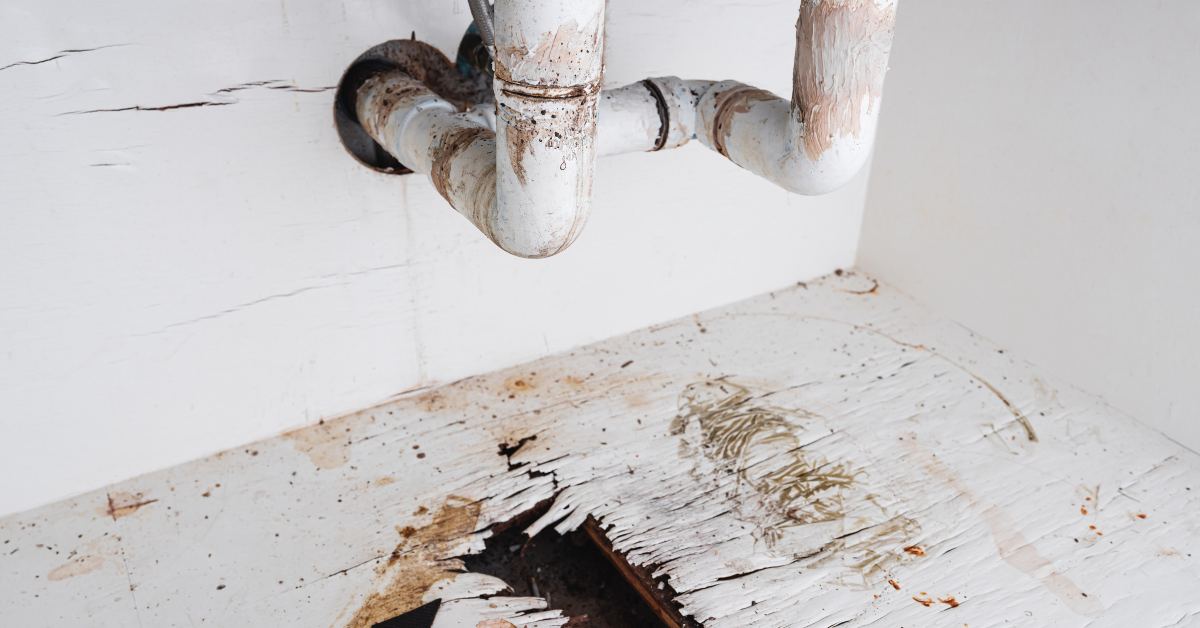
Every home tells a story. From the creaks in the floorboards to the hum of the pipes, these details reveal the condition of your living space. Yet one of the most silent and costly problems a homeowner can face hides behind walls, ceilings, and floors: water leaks. A small drip that seems harmless can slowly invite mold, damage the structure, and impact your health in ways you might not realize. Addressing these issues early isn’t just about keeping your home dry; it’s about safeguarding the air you breathe and the comfort you live in. For more information on professional mold cleanup and restoration, visit the Risk Free Serv Water Damage Repair San Diego site.
Understanding the Hidden Link Between Leaks and Mold
Most homeowners associate leaks with inconvenience rather than danger. A dripping faucet or a small water stain on the ceiling might not seem like an emergency, but moisture is the starting point for one of the most persistent home problems: mold growth. Mold thrives in dark, damp environments, feeding on materials like wood, drywall, and even carpet padding.
When plumbing issues go unnoticed, they create hidden pockets of moisture that can last for weeks. Behind your bathroom wall, under your sink, or in the crawl space, spores begin to spread quietly. By the time you notice discoloration or a musty odor, the damage may already be extensive. It’s not just about appearance; mold affects indoor air quality and can trigger respiratory problems, allergies, and fatigue.
Water travels unpredictably through cracks and joints, so a pipe leak in one area can cause visible damage somewhere else entirely. This makes inspection and maintenance crucial for preventing both structural deterioration and mold infestation.
The Silent Spread of Moisture
Moisture doesn’t announce its arrival. It seeps, drips, and evaporates, often blending into the background until the signs become too big to ignore. Walls start to bubble, paint peels, and flooring may feel soft underfoot. By this point, the hidden water has likely created a breeding ground for spores.
Even in newer homes, plumbing failures can happen due to worn seals, temperature fluctuations, or high water pressure. Over time, even minor plumbing issues can lead to major repair bills if ignored. Routine maintenance and inspections are key to catching leaks before they spiral into expensive restoration projects.
If you suspect a plumbing issue but aren’t sure where it’s coming from, having an experienced professional assess your pipes can make all the difference. Regular plumbing checks can prevent not just leaks but the chain reaction of problems that follow. For trusted plumbing insights and maintenance guidance, visit the http://bobtheplumbersd.com/ website.
How Mold Affects Your Home and Health
Once mold takes hold, it doesn’t stay confined to one spot. Spores travel through the air, spreading into nearby rooms and attaching to fabrics, vents, and furniture. While some molds are relatively harmless, others produce allergens and toxins that can lead to chronic coughing, sneezing, eye irritation, or even asthma flare-ups.
Beyond the health risks, mold compromises the integrity of your home. It weakens drywall, warps wood, and leaves unsightly stains that are difficult to remove. The longer the moisture sits, the more extensive the damage becomes. That’s why early detection is not only about avoiding discomfort but about preserving your home’s value.
Professional mold remediation involves isolating the contaminated area, removing affected materials, and using specialized equipment to dry and sanitize the space. Attempting to clean it yourself often leads to regrowth because spores can remain embedded in porous surfaces.
Signs You Might Have a Hidden Leak
Recognizing a hidden leak requires paying attention to subtle cues. A sudden increase in your water bill, the sound of running water when no taps are open, or persistent humidity are early red flags. You might also notice moldy odors, darkened grout lines, or warped baseboards.
Another telling sign is discoloration on walls or ceilings. Even a faint yellow or brown patch can signal a deeper issue behind the surface. In basements or attics, visible condensation or damp insulation points to leaks or poor ventilation.
If you suspect a problem but can’t identify its source, it’s best to call a plumber to perform a detailed inspection using moisture meters or infrared cameras. Early intervention saves money and prevents long-term health risks associated with mold exposure.
Turning Prevention Into a Home Improvement Mindset
Preventing water and mold damage isn’t only about quick fixes; it’s about adopting a proactive approach to home care. Just as you might upgrade windows to improve energy efficiency, investing in better plumbing fixtures, waterproofing, and ventilation systems can enhance both the safety and comfort of your space.
Start by inspecting your home’s plumbing connections annually. Tighten fittings, replace aging hoses, and ensure drains are clear of debris. Installing a water leak detector under sinks or near the water heater adds a layer of protection by alerting you at the first sign of trouble.
In moisture-prone areas like bathrooms, basements, and laundry rooms, consider adding a dehumidifier or exhaust fan. Proper air circulation keeps humidity in check and discourages mold growth. Repainting walls with mold-resistant primers or upgrading insulation can further protect your investment.
Even small steps, like promptly wiping up spills or keeping shower curtains dry, contribute to a healthier home environment. Think of it as an ongoing project that blends maintenance with long-term improvement.
When to Call in the Professionals
There’s a point where DIY fixes are no longer enough. If you discover visible mold, extensive water damage, or recurring leaks, professional help becomes essential. Certified experts have the tools to identify the source of the problem and treat it effectively.
Water restoration teams use advanced drying systems and antimicrobial treatments to eliminate spores safely. They also address structural concerns, ensuring your home remains sound after cleanup. Partnering with a qualified plumber and a mold remediation specialist gives you complete coverage from cause to consequence.
By combining timely plumbing repairs with thorough remediation, you prevent the same issue from returning. This approach saves time, money, and peace of mind.
A Dry Home Is a Healthy Home
Your home is more than walls and furniture; it’s the space where you rest, recharge, and connect. Protecting it from moisture and mold keeps it strong and inviting. What begins as a small leak can quickly become a costly ordeal, but with regular upkeep and awareness, you can stop the cycle before it starts.
Addressing leaks promptly, improving ventilation, and scheduling professional inspections are simple steps that make a lasting difference. With care and consistency, your home remains not only comfortable but resilient.
In the end, preventing water damage and mold is one of the most valuable home improvements you can make. It protects your property, preserves your health, and keeps your living space truly yours.