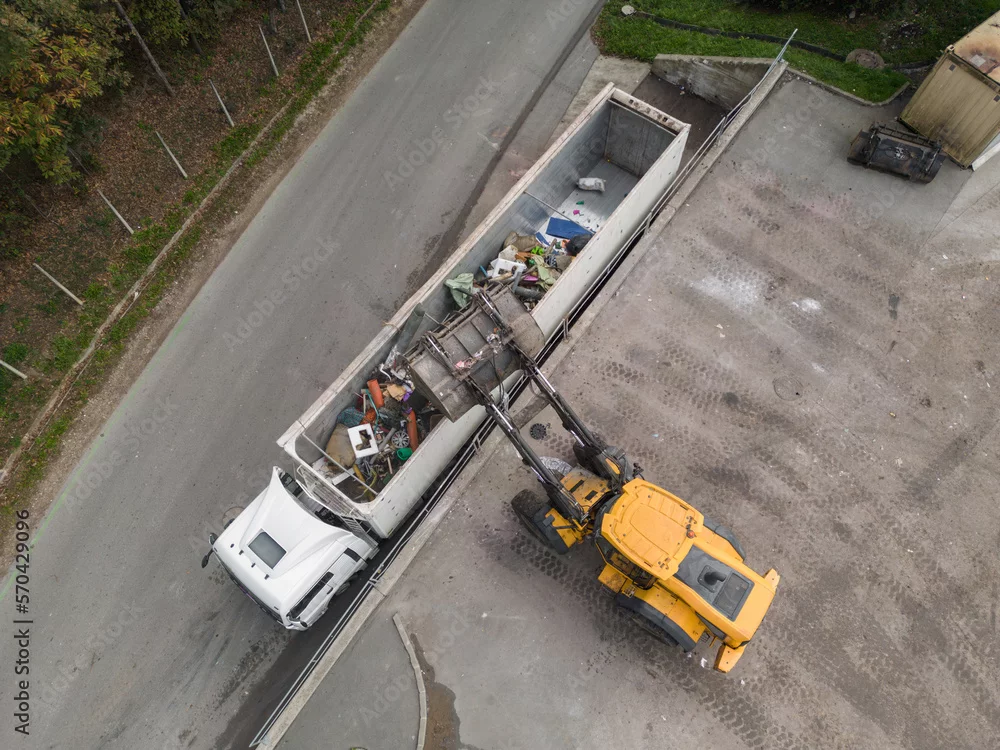
Across the UK, industries are under increasing pressure to reduce their environmental impact while keeping operations efficient and cost-effective. From manufacturing and logistics to construction and energy production, the way businesses handle waste has become a defining factor in their long-term sustainability and success.
Sustainable waste management is no longer a “nice-to-have” but a critical component of responsible business practice. By adopting smarter processes and choosing the right industrial waste collection strategies, companies can not only comply with evolving regulations but also strengthen their reputation, lower operational costs, and contribute positively to the planet.
The Changing Landscape of Industrial Waste
In recent years, environmental expectations have shifted dramatically. Government legislation such as the Environment Act and increasing demands from customers, investors, and local communities mean that industries can no longer afford to treat waste management as an afterthought.
The industrial sector produces a wide range of waste, from metal shavings and plastics to hazardous chemicals and packaging materials. Without a clear plan, much of this ends up in landfill, creating both financial and environmental costs. However, forward-thinking companies are increasingly adopting circular economy principles: designing systems that prevent waste generation in the first place, and finding ways to reuse or recycle materials whenever possible.
At the heart of this shift lies professional industrial waste collection. Partnering with licensed providers ensures that materials are handled responsibly and in line with regulatory standards. More importantly, it gives businesses insight into what can be recycled or repurposed.
The Business Benefits of Sustainable Waste Practices
Beyond compliance and environmental responsibility, there are strong commercial reasons for improving waste management systems. A well-planned approach brings measurable benefits across cost, efficiency, and brand value.
Lower Costs Through Smarter Resource Use
Disposing of waste is expensive, particularly when hazardous materials are involved. Reducing waste at the source immediately saves money. Recycling materials wherever possible also cuts the need for costly raw inputs. Over time, these savings can be significant, freeing up budget for investment elsewhere in the business.
Improved Operational Efficiency
Efficient waste management leads to cleaner, safer, and more organised work environments. Regular collections prevent the build-up of materials that can block production areas or pose health and safety risks. Companies that introduce better segregation systems often find their workflows improve too, because waste handling becomes streamlined and predictable.
Stronger Reputation and Customer Trust
Today’s consumers and business clients expect transparency around environmental impact. A company that can demonstrate sustainable operations not only complies with regulations but also wins respect and trust. This is particularly relevant for manufacturers and suppliers in complex supply chains, where environmental performance increasingly influences contract decisions.
Enhanced Regulatory Compliance
With waste legislation becoming more detailed each year, non-compliance can be costly. Working with professional waste management providers ensures businesses remain up to date with changing rules, from hazardous waste storage to duty of care documentation. This proactive approach reduces risk and keeps operations running smoothly.
Building a Future-Ready Industrial Waste Strategy
Future-proofing industrial operations requires more than just meeting today’s regulations. It’s about creating flexible, forward-looking systems that can adapt to new technologies, market shifts, and environmental demands.
Invest in Data-Driven Waste Management
Technology now plays a vital role in monitoring and reducing waste. Smart sensors, digital reporting, and automated tracking can help businesses understand exactly where waste is generated and how it’s handled. These insights make it easier to identify inefficiencies and develop data-backed solutions for improvement.
Embrace the Circular Economy
Instead of a “take-make-dispose” model, the circular economy encourages industries to close the loop. This might involve using recycled inputs, repurposing production waste, or collaborating with other companies to exchange usable by-products. In sectors such as construction and automotive manufacturing, circular practices are already delivering significant cost and sustainability gains.
Partner with Sustainable Providers
The right waste management partner can make a world of difference. Look for companies that offer transparent recycling reports, energy recovery solutions, and carbon-neutral initiatives. Providers with a commitment to sustainability can help you achieve targets faster while maintaining operational efficiency.
Educate and Communicate
Sustainability thrives when everyone understands its value. Training staff to segregate materials properly, store hazardous waste safely, and report inefficiencies ensures your strategy works from the ground up. Sharing progress internally builds accountability and reinforces your company’s leadership in responsible industry.
A Cleaner, More Competitive Future
The future of UK industry is inseparable from its environmental responsibilities. As pressure grows to meet net-zero targets and minimise resource consumption, waste management will continue to be a cornerstone of industrial success.
Many manufacturers are now turning to digital tools and automation to reduce scrap and resource inefficient workflows. These technologies complement smart industrial waste collection systems by reducing the volume of waste sent for disposal.
By rethinking how materials are used, partnering with responsible waste providers, and embedding sustainability into everyday operations, businesses can reduce costs, mitigate risks, and enhance their reputation.