5 Leave Management Challenges Every HR Team Faces (And How Automation Solves Them)


Managing employee leave might seem straightforward on the surface, but HR professionals in Singapore know it’s one of the most time-consuming and error-prone aspects of workforce management. From tracking multiple leave types mandated by the Employment Act to handling last-minute requests during peak periods, leave management can quickly become overwhelming.
In this article, we’ll explore the five most common challenges Singapore HR teams face with leave management and reveal how automation transforms these pain points into streamlined, efficient processes.
Challenge 1: Manual Tracking Errors and Data Inconsistencies
One of the most persistent headaches for HR teams is maintaining accurate leave records across multiple employees, departments, and leave types. When you’re juggling annual leave, medical leave, childcare leave, paternity leave, and various other entitlements in spreadsheets or paper forms, errors are inevitable.
A single typo, miscalculation, or forgotten update can cascade into payroll mistakes, compliance issues, and employee disputes.
Manual tracking becomes exponentially more complex as organizations grow. What works for a 20-person startup falls apart when you’re managing 200 or 2,000 employees across multiple locations.
HR teams often find themselves spending hours cross-referencing spreadsheets, verifying leave balances, and reconciling discrepancies between what employees believe they have and what records show.
The human element introduces another layer of risk when the HR person who “knows the system” goes on leave; chaos often ensues. Knowledge trapped in one person’s head or buried in complex spreadsheet formulas creates organizational vulnerability.
This fragility is particularly problematic in Singapore’s competitive job market, where HR turnover can disrupt leave management continuity.
How Automation Solves It:
Modern systems like BIPO HR leave management system eliminate manual errors by automatically calculating leave balances, tracking accruals, and maintaining a single source of truth for all leave data. These systems update in real-time whenever leave is requested, approved, or taken, ensuring everyone sees accurate information at all times.
Automated calculations follow predefined rules based on Singapore’s Employment Act requirements, employee contracts, and company policies, removing the guesswork and potential for human error.
Cloud-based systems provide audit trails that track every change, approval, and adjustment made to leave records. This transparency not only prevents disputes but also ensures continuity when HR team members transition. The system becomes the institutional memory, preserving all leave policies, historical data, and calculation logic regardless of staff changes.
Challenge 2: Complex Leave Policy Enforcement Across Different Employee Groups
Singapore organizations typically manage multiple employee categories, each with distinct leave entitlements. Local employees follow Employment Act provisions, while foreign workers on different passes may have varied entitlements. Contract staff, part-timers, and full-time employees often have different accrual rates, eligibility criteria, and carry-forward rules.
Manually enforcing these varied policies is nearly impossible without errors. How do you ensure that an employee who has just completed their first year gets their correct annual leave entitlement? How do you track pro-rated leave for someone who joined mid-year? What about employees who’ve exhausted their annual leave but need time off? Do they qualify for unpaid leave, and how does that affect their salary calculations?
The complexity multiplies when you factor in company-specific policies layered on top of statutory requirements. Some organizations offer additional compassionate leave, study leave, or birthday leave.
Others have different carry-forward policies or allow leave encashment. Managing these nuances manually across hundreds of employees is a recipe for inconsistency and perceived unfairness.
How Automation Solves It:
Automated leave management systems allow you to configure multiple leave policies within a single platform, each with specific rules, accrual rates, eligibility criteria, and approval workflows.
The system automatically applies the correct policy to each employee based on their employment type, contract, location, and tenure. When an employee requests leave, the system instantly checks their eligibility, available balance, and any restrictions before the request even reaches a manager.
Policy changes can be implemented system-wide with a few clicks rather than updating countless spreadsheets. If Singapore implements new Ministry of Manpower (MOM) regulations or your company decides to enhance leave benefits, you update the policy once, and it applies consistently across all affected employees. The system can also handle complex scenarios like transitioning employees from probation to confirmation with automatic entitlement adjustments.
Challenge 3: Lack of Real-Time Visibility for Managers and Employees
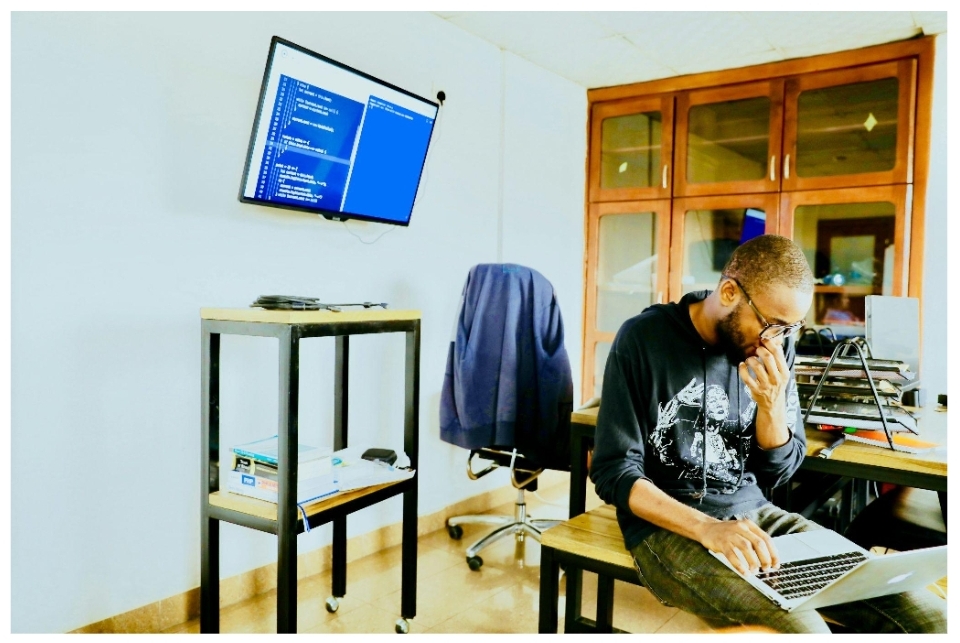
In traditional leave management setups, employees often don’t know their current leave balance without asking HR. They might plan a holiday only to discover they don’t have sufficient leave remaining. Managers lack visibility into their team’s leave schedules, leading to situations where multiple critical team members book the same period off, leaving projects understaffed.
This information gap creates unnecessary back-and-forth communication that wastes time for everyone involved. Employees email HR asking about balances, managers chase HR for team calendars, and HR spends hours responding to queries rather than focusing on strategic initiatives.
During peak periods like school holidays or year-end, HR departments can be overwhelmed with leave-related questions and requests.
The lack of visibility also hampers workforce planning. Without a clear view of upcoming leave across the organization, managers struggle to allocate resources effectively, plan projects realistically, or identify potential coverage gaps before they become critical.
This reactive approach to leave management often results in operational disruptions that could have been avoided with better information.
How Automation Solves It:
Automated systems provide self-service portals where employees can instantly view their leave balances, accrual rates, and leave history 24/7. Employees can check their balances before planning trips, reducing the surprise factor and improving their experience. Mobile apps allow checking balances and submitting requests on the go, which is particularly valuable in Singapore’s mobile-first culture.
Managers gain dashboard views showing their team’s leave schedules, upcoming absences, and pending requests. Team calendars highlight who’s away when, enabling better planning and preventing scheduling conflicts. The system can even flag potential issues like too many team members requesting the same period, before approvals are granted, allowing proactive problem-solving.
HR teams benefit from organization-wide visibility through comprehensive reports and analytics. You can identify leave usage patterns, spot potential burnout (employees not taking enough leave), and plan for peak absence periods. This strategic visibility transforms leave management from a reactive administrative task into a proactive workforce planning tool.
Challenge 4: Compliance and Audit Trail Challenges

Singapore’s employment regulations are comprehensive and regularly updated by MOM. Organizations must maintain accurate records of leave entitlements, usage, and balances for audit purposes and potential employment disputes. When records are scattered across spreadsheets, email approvals, and paper forms, compiling audit-ready documentation becomes a nightmare.
The Employment Act specifies minimum entitlements for annual leave, sick leave, maternity leave, and other statutory leave types. Ensuring compliance across your entire workforce, especially as regulations evolve, requires meticulous record-keeping and consistent policy application. A single compliance failure can result in MOM penalties, employee complaints, or reputational damage in Singapore’s tight-knit business community.
Documentation challenges extend beyond regulatory compliance to internal governance. When disputes arise over leave balances or entitlements, HR needs clear evidence of requests, approvals, and historical calculations. Without proper audit trails, resolving disputes becomes a “he said, she said” situation that damages employee trust and exposes organizations to legal risks.
How Automation Solves It:
Automated leave management systems are built with compliance in mind, incorporating Singapore’s Employment Act requirements into their core logic. Systems automatically calculate statutory entitlements, track mandatory leave types separately from company benefits, and ensure all employees receive their legal minimums. When regulations change, reputable vendors update their systems to maintain compliance, reducing your administrative burden.
Every action within the system requests, approvals, modifications, cancellations, is automatically logged with timestamps and user identifications. These comprehensive audit trails provide irrefutable records for MOM audits, employment disputes, or internal reviews. Generating compliance reports becomes a matter of clicking a button rather than spending days compiling data from multiple sources.
The system also enforces approval workflows, ensuring leave requests follow proper authorization chains according to your organizational hierarchy and policies. This governance prevents unauthorized leave and creates clear accountability, protecting both the organization and employees through transparent, documented processes.
Challenge 5: Poor Employee Experience with Leave Requests
Traditional leave request processes frustrate employees across Singapore workplaces. Filling out paper forms, waiting days for manager approval, following up repeatedly on request status, and discovering approval only through verbal confirmation creates unnecessary friction. In an era where employees can book flights and hotels instantly from their phones, clunky leave processes feel antiquated and disrespectful of their time.
The approval process often involves multiple touchpoints submitting a form, manager review, HR verification, and finally confirmation. Each step introduces delays, especially when managers are traveling or busy. Employees planning time-sensitive events like family celebrations or time-limited flight deals face uncertainty that impacts their personal lives and adds stress.
Poor leave management experiences affect employee satisfaction and engagement more than organizations realize. When employees perceive the leave process as bureaucratic and frustrating, it colors their overall view of workplace culture.
In Singapore’s competitive talent market, where employees have options, negative experiences with basic HR processes can influence retention decisions.
How Automation Solves It:
Modern leave management systems deliver consumer-grade user experiences that employees actually enjoy using. Requesting leave becomes as simple as selecting dates on a calendar and clicking submit, taking seconds rather than minutes. Mobile apps allow submissions from anywhere, anytime, accommodating Singapore’s increasingly flexible work arrangements.
Automated approval workflows route requests to the appropriate managers instantly, with email and app notifications ensuring timely attention. Managers can approve or reject requests with a single click from their inbox or mobile device, eliminating delays.
Employees receive immediate notifications of approval status and can track their requests in real-time, removing the anxiety of uncertainty.
The system also enables better planning by showing public holidays, team availability, and company blackout periods upfront. Employees can make informed decisions about when to request leave, reducing rejections and the need for rescheduling.
Some advanced systems even suggest alternative dates if requested periods conflict with team scheduling, creating a collaborative rather than confrontational experience.
Making the Transition to Automated Leave Management

The challenges outlined above aren’t unique to any single organization; they’re systemic issues inherent in manual leave management approaches. As your Singapore workforce grows and employment regulations evolve, these challenges only intensify.
The good news is that automated leave management systems have matured significantly, offering affordable, user-friendly solutions for organizations of all sizes.
Implementing an automated system doesn’t require months of disruption or massive IT investments. Modern cloud-based platforms can be configured and launched within weeks, with vendors providing implementation support, training, and ongoing assistance.
The return on investment typically materializes quickly through time savings, error reduction, and improved employee satisfaction.
For HR teams feeling overwhelmed by leave management complexity, automation isn’t a luxury, it’s a necessity for sustainable, scalable operations. By eliminating manual errors, enforcing policies consistently, providing real-time visibility, ensuring compliance, and improving employee experience.
Automated leave management systems transform one of HR’s most frustrating responsibilities into a smooth, efficient process that benefits everyone in your organization.