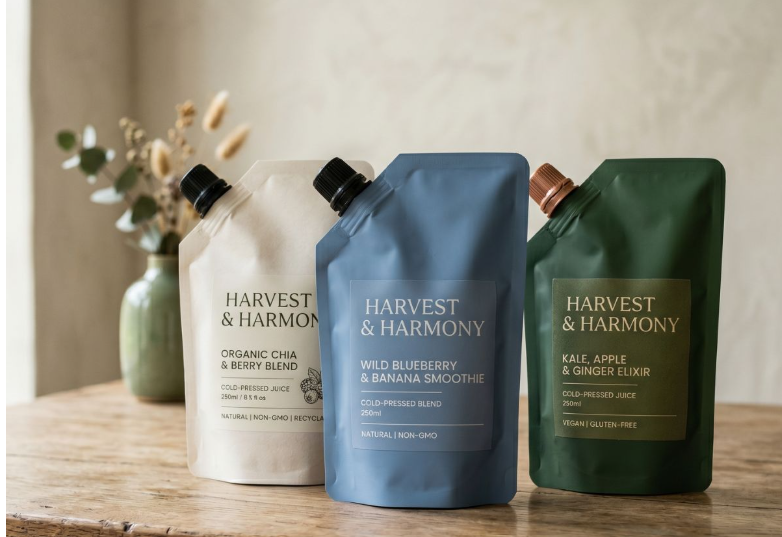
Have you noticed how many brands are moving away from glass jars and rigid containers?
This shift is not just about appearance. It is driven by real operational pressure. Rising freight costs, breakage risks, and inefficiencies in storage and transport are forcing companies to rethink how their products are packaged and delivered.
Flexible formats like spout pouches are gaining traction because they address these challenges directly. They are lighter, more durable during handling, and more efficient across the supply chain.
However, switching to flexible packaging is not as simple as changing formats. In real production environments, small inconsistencies can quickly turn into costly disruptions. A slight issue in film structure or sealing performance can interrupt an entire filling line.
In manufacturing settings such as YZ Pack, a reliable packaging manufacturer, these challenges are part of day-to-day operations, where material consistency and process control directly affect output and efficiency.
This article takes a closer look at what actually makes a spout pouch perform, from material design to filling systems and quality control.
1. The Material Science Behind a High-Performance Pouch
It is easy to judge packaging by appearance, but performance comes down to structure.
Most spout pouches use a three-layer laminate, with each layer playing a specific role in protecting the product and supporting production.
Inner Layer: Seal and Safety
This layer is in direct contact with the product. LLDPE is commonly used because it creates strong, leak-resistant seals and meets food safety standards. Reliable sealing is essential, as failure at this layer can lead to leakage or contamination.
Middle Layer: Barrier Protection
The middle layer controls exposure to oxygen and moisture, which directly affects shelf life.
- Aluminum Foil: High barrier for long shelf life
- VMPET: Balanced cost and performance
- Nylon: Added strength and puncture resistance
Material choice depends on how sensitive the product is to air, light, and handling conditions.
Outer Layer: Structure and Branding
This is the visible layer that supports both durability and design. PET is widely used for high-quality printing, while kraft paper offers a more natural look.
Sustainable Material Considerations
Sustainable options are becoming more common, but they need careful design. Changes in materials can affect sealing, barrier performance, and machine compatibility, so balance is important.
2. Choosing the Right Closure for Better Usability
A well-designed pouch should not only protect the product but also be easy to use.
If a cap is difficult to open or the liquid flows unevenly, it can frustrate users and reduce repeat purchases. That is why closures need to match both the product type and how it is used.
- Screw Caps (4mm–33mm): Provide a secure seal for beverages and liquid products
- Flip-Top Caps (15mm–28mm): Allow quick, one-handed use for items like sauces or supplements
- Disc and Spray Caps: Support controlled dispensing in personal care and cleaning products
- Non-Return Valves: Help protect oxygen-sensitive products by preventing air from entering
Choosing the right closure improves flow control, reduces waste, and creates a better overall user experience.
3. Engineering the Base for Stability and Shelf Presence
Shelf impact is not just about design. Structure plays a key role in how a product is perceived.
If a pouch cannot stand properly, it affects both presentation and customer confidence. Stability is often associated with quality, especially in retail environments.
This largely depends on the gusset design:
- Doyen Seal: Creates a rounded base that provides good stability, especially for liquid products
- K-Seal: Adds extra strength and support, making it suitable for heavier contents
- Corner Spout Designs: Improve pouring control, particularly for larger refill pouches
A well-designed base helps the pouch stand upright, maintain its shape, and present the product more effectively on the shelf.
4. How Spout Pouches Are Filled at Scale
As production volume increases, manual filling becomes inefficient and inconsistent. Automated rotary systems are used to handle high-speed production while maintaining accuracy and repeatability.
Why Automation Matters
Consistency plays a direct role in cost control. Automated systems reduce product waste, minimize human error, and ensure each pouch is filled and sealed correctly.
The Filling Workflow
- Pouch Positioning: Pneumatic systems place pouches accurately without damaging the film
- Spout Alignment: Spouts are secured in position for precise filling
- Filling Process: Magnetic gear pumps deliver controlled and consistent product volumes
- Pre-Sealing Conditions: Clean filling helps prevent contamination before sealing
The Role of COF (Coefficient of Friction)
Film performance also affects how efficiently pouches move through the machine.
- Ideal Range: 0.2 to 0.3
- Too High: Pouches stick and slow down production
- Too Low: Pouches slip and lose alignment
In production environments, controlling COF helps maintain smooth operations and reduces downtime.
5. Designing for High Pressure Processing (HPP)
HPP is widely used for products like cold-pressed juices because it eliminates bacteria without heat. While effective, it also places significant stress on packaging.
During processing, pouches are exposed to pressures of up to 600 MPa. This compresses the liquid inside and puts strain on the material. If the pouch is too rigid, it can crack or delaminate.
What Makes a Pouch HPP-Ready
- Controlled Flexibility (15–20%): Allows the pouch to compress under pressure and return to its original shape
- Strong Layer Bonding: Prevents separation or structural failure during processing
- Reliable Seals: Protect against leaks when exposed to high pressure
Testing is essential. Vacuum and pressure tests help ensure the pouch can withstand both processing and distribution conditions.
6. Printing That Supports Both Branding and Flexibility
Even with strong technical performance, packaging still needs to stand out on the shelf.
In flexible packaging, two main printing methods are commonly used, each suited to different production needs.
Rotogravure Printing
- Best for high-volume production
- Delivers consistent color and sharp detail
- Resistant to moisture and temperature changes
Digital Printing
- Suitable for small runs and product testing
- Allows quick design changes
- Lower setup cost for short production cycles
Many brands start with digital printing to test designs, then shift to rotogravure as demand increases and consistency becomes more important.
7. Quality Assurance That Ensures Real-World Performance
Strong design needs to be supported by consistent testing to ensure reliability in actual use.
Mechanical Testing
- Interlayer Adhesion: Checks bonding strength between layers
- Drop and Puncture Tests: Simulate handling and transport conditions
Advanced Analysis
- SEM: Identifies microscopic defects such as pinholes
- GC-MS: Ensures no chemical residue affects product safety or quality
Seal Integrity Testing
- Vacuum Testing (~17” Hg): Verifies sealing performance under pressure
- Especially important for liquid products during transport
In manufacturing environments, these tests are part of routine quality control to ensure consistent performance across production batches.
8. Making the Right Packaging Decision
Choosing spout pouches is not just about replacing rigid containers. It is about improving overall efficiency across production, storage, and distribution.
The three-layer laminate structure remains widely used because it offers a practical balance of protection, durability, and cost.
Material selection should align with product requirements:
- Aluminum: Suitable for products that need maximum shelf life and strong barrier protection
- VMPET: A more cost-efficient option that still provides reliable performance
When material choice, pouch structure, and production compatibility are properly aligned, brands can reduce waste, improve efficiency, and maintain consistent product quality.
Conclusion
The move toward spout pouches reflects a broader shift in how brands approach packaging.
It is no longer just about containing a product. It is about improving logistics, maintaining consistency in production, and delivering a better user experience.
When material selection, structure, and usability are aligned, packaging becomes more than a container. It becomes a practical tool that supports efficiency and long-term growth.
As flexible packaging continues to evolve, brands that focus on both performance and usability will be in a stronger position to stay competitive.