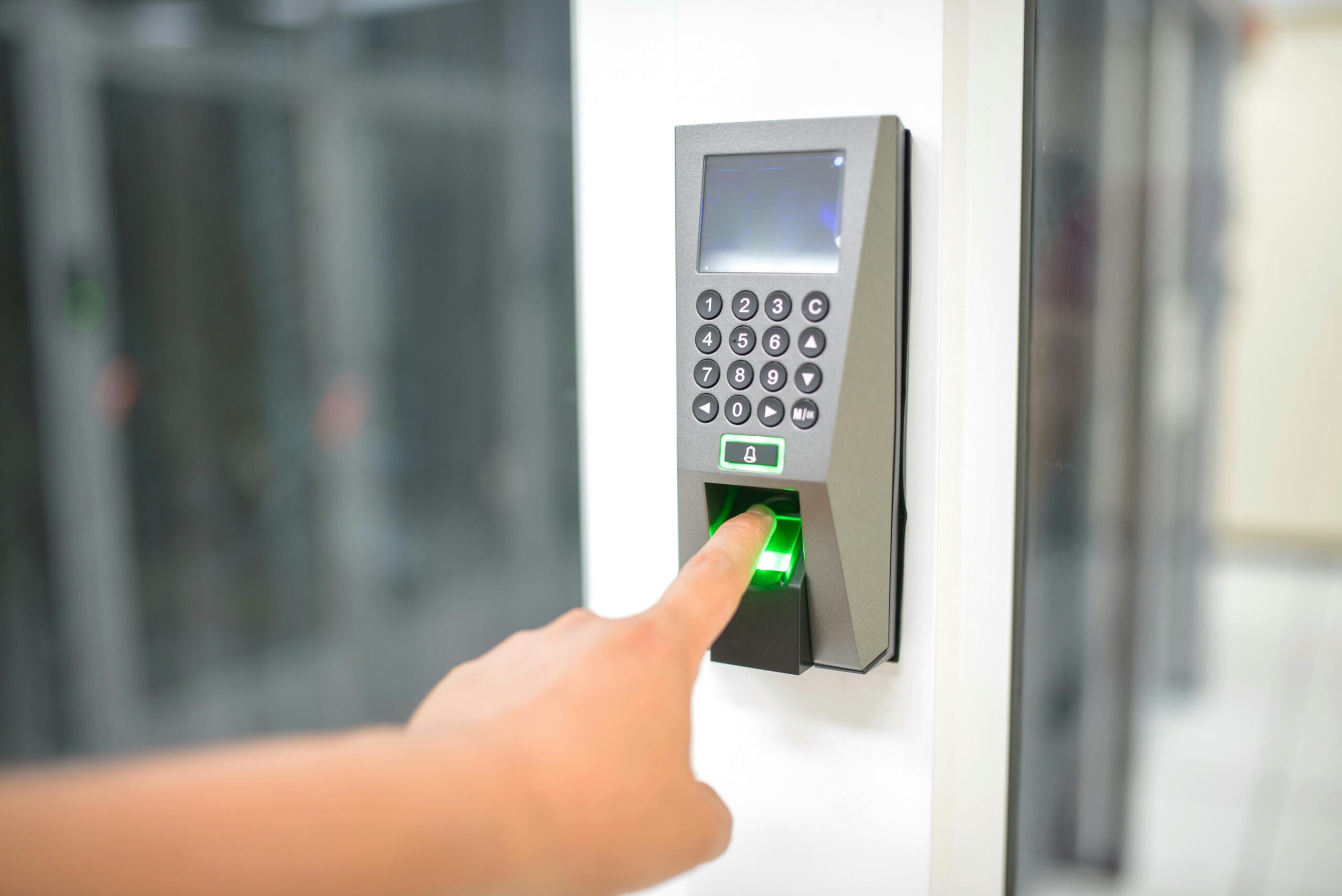
Businesses across the UK are rethinking how they protect their premises, people, and assets. As threats evolve and workplaces become more complex, the technology behind physical security has had to keep pace.
The Shift Towards Smarter Entry Management
Gone are the days when a lock and key were enough to secure a building. Today, organisations of all sizes are investing in systems that give them greater control over who enters a space and when. This shift is being driven by a combination of factors: rising security concerns, stricter compliance requirements, and the growing need to manage multiple sites from a single platform.
Understanding what Access control actually means in practice is an important starting point for any organisation considering an upgrade. At its core, it refers to the processes and technologies used to regulate who can enter specific areas of a building or facility. This can range from simple card readers on a single door to sophisticated systems that integrate with HR software, video surveillance, and alarm management across dozens of locations.
The benefits extend beyond security alone. Smart entry systems can improve visitor management, reduce administrative burden, and provide detailed audit trails that are invaluable during incidents or compliance checks.
What Organisations Should Look for in a Security Platform
Choosing the right system involves more than comparing hardware specifications. Organisations need to think about scalability, ease of integration, and long-term support. A platform that works well today should also be able to grow with the business and adapt to new challenges over time.
There are a few key questions worth asking before committing to a solution:
- Can the system manage multiple sites from one central interface?
- How does it handle user permissions and role-based access?
- What happens during a network outage or power failure?
- Does it integrate with existing building management or HR systems?
For larger organisations or those operating in regulated industries, these considerations carry even more weight. A robust platform should simplify management without introducing new vulnerabilities or bottlenecks.
One example of a system designed with this kind of flexibility in mind is Nedap Security Management, which allows security teams to manage identities, authorisations, and physical access across complex environments from a single interface. Nedap UK has built a reputation for delivering enterprise-grade security solutions that prioritise both reliability and usability.
As hybrid working patterns and flexible office arrangements become the norm, the ability to manage access dynamically and remotely is no longer a luxury. It is a practical necessity for any organisation that takes security seriously. Investing in the right infrastructure now can prevent costly incidents and simplify operations for years to come.