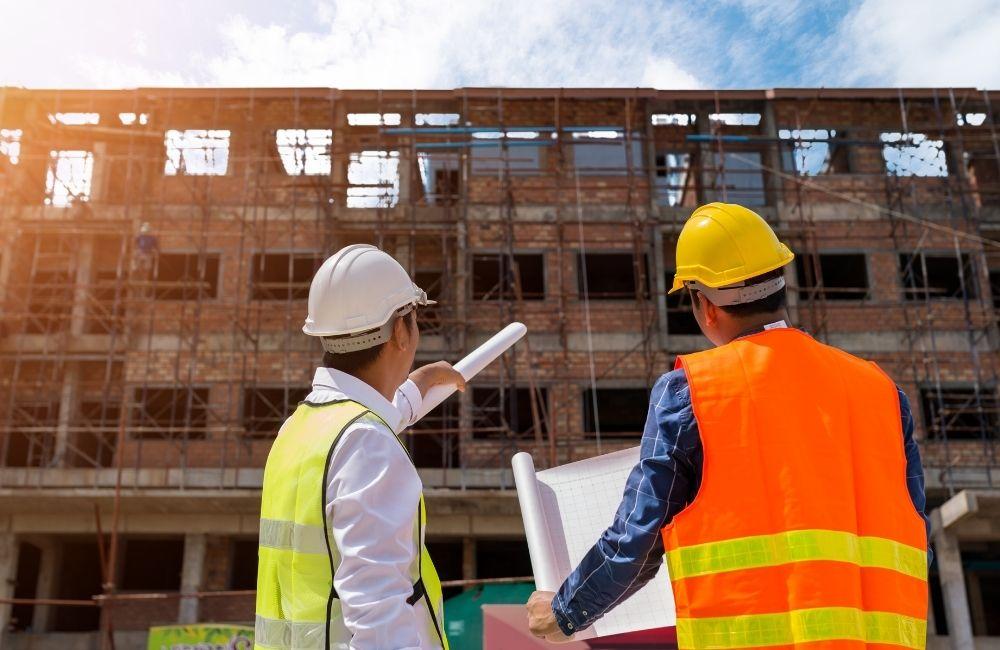
When we think of builders, we often picture hard hats, blueprints, and the rhythmic sounds of hammering. But there’s another side to their work that is far less visible and far more fascinating: problem-solving. Every builder, regardless of experience or specialty, becomes an unlikely strategist, negotiator, and innovator. Behind every perfectly aligned beam and carefully poured foundation lies a series of decisions, adaptations, and creative solutions that rarely make it into brochures, social media posts, or public recognition.
Problems Start Before the First Nail
The problem-solving journey often begins before construction even starts. Site evaluations, soil tests, zoning restrictions, and weather considerations all demand careful assessment. A builder must interpret complex data, foresee potential obstacles, and adjust plans accordingly. A lot of homebuyers may not realise it, but the initial site visit is often a diagnostic exercise, requiring both technical knowledge and intuition.
For example, uneven soil might seem like a minor inconvenience to the untrained eye, but for a builder, it triggers a cascade of considerations: foundation type, drainage, load distribution, and cost implications. Each of these variables requires quick thinking and decisive action. The builder’s expertise transforms potential pitfalls into manageable steps, preventing minor issues from escalating into major problems later on.
Adapting to Design Changes
Even the most detailed blueprints can’t anticipate every challenge. Perhaps a client changes their mind about room dimensions, or an architect’s vision clashes with practical constraints. Builders are adept at navigating these changes without compromising structural integrity. They serve as interpreters between the dream of the design and the reality of construction.
This adaptability requires more than technical skill—it demands creativity. Builders often invent solutions on the spot, finding ways to integrate new ideas while maintaining safety, efficiency, and aesthetic appeal. A seemingly minor adjustment in a wall or beam can ripple through the structure, yet experienced builders handle these changes seamlessly, turning potential headaches into opportunities for innovation and improvement.
Managing Human Factors
Construction is rarely a solo activity. Builders coordinate teams of subcontractors, suppliers, and inspectors, each with their own priorities, schedules, and personalities. Unexpected conflicts, delays, or errors are inevitable. Builders solve these problems daily, often without formal authority or recognition.
For instance, if a plumber’s schedule conflicts with the electrician’s work, the builder reorganizes timelines, communicates with both parties, and ensures progress continues smoothly. The homeowner may never see this logistical juggling, but without it, a project could stall. Problem-solving in construction is as much about managing people effectively as it is about materials and tools.
Dealing With the Unexpected
Even the most meticulously planned projects face surprises. Weather can delay excavation, supply chains can falter, or hidden structural issues may emerge. Builders must respond quickly, often improvising solutions that balance safety, cost, and time.
Consider discovering a hidden water leak during renovations. The builder assesses the severity, decides whether to replace or repair, coordinates with specialists, and communicates the plan to the client—all while keeping the project on schedule. These real-time solutions demonstrate why builders are more than technicians—they are strategic problem-solvers, thinking several moves ahead to avoid cascading complications that could compromise the build.
Balancing Cost, Time, and Quality
A builder’s problem-solving role is also about trade-offs. Budgets may be tight, timelines strict, and quality standards non-negotiable. Finding the sweet spot between these competing demands requires judgment and experience. Sometimes the solution is simple: a small design tweak or material substitution. Other times, it involves negotiating with suppliers, adjusting work schedules, or re-sequencing tasks to maintain efficiency.
Every decision has implications, and builders must weigh them carefully. Their ability to make these judgments—often under pressure—is a testament to their role as unlikely problem-solvers, capable of navigating complexity with remarkable skill and foresight.
Innovation in Everyday Tasks
Problem-solving isn’t limited to emergencies. Builders constantly innovate to improve workflow, optimize material use, or enhance durability. From custom jigs for cutting materials precisely to inventive scaffolding setups that improve safety, builders apply creative thinking daily. These small innovations may never make headlines, but they contribute significantly to project success and long-term homeowner satisfaction.
Moreover, builders learn from every project, accumulating a mental library of solutions for future challenges. Each unique problem encountered becomes part of their toolkit, making them faster, more versatile, and more effective at solving the next one.
The Emotional Intelligence Factor
Problem-solving in building is not only technical but human. Builders often mediate between clients’ expectations and the realities of construction, delivering difficult news tactfully and managing frustration when plans go awry. Emotional intelligence—patience, empathy, and communication—is a crucial skill that complements technical problem-solving.
A builder who can calm an anxious client, encourage a team member, or negotiate with a supplier adds immeasurable value beyond their physical work. In this sense, builders are not only solving structural problems—they are solving interpersonal ones as well, maintaining harmony on-site while keeping projects moving efficiently.
Problem-Solving as a Legacy
Ultimately, the builder’s problem-solving role ensures the longevity, safety, and functionality of the home. Every challenge navigated—from hidden soil issues to client design changes—protects the homeowner’s investment and quality of life. While the end product may look seamless, the invisible decisions behind it reflect a mastery of both craft and strategy, built through years of hands-on experience and learning.
Builders leave more than walls and roofs; they leave peace of mind. Each solution they create is a safeguard, a small victory that enables a family to live comfortably, safely, and happily in their new home. The story of construction is, in many ways, a story of problem-solving—quiet, relentless, and often underappreciated.
Builders are more than craftsmen—they are unlikely problem-solvers, orchestrating solutions at every level of a project. From pre-construction planning to on-site improvisation, from managing teams to mediating client expectations, they tackle challenges that most people never see. Every nail hammered and beam lifted carries evidence of experience, foresight, and ingenuity.
Next time you step into a well-built home, pause to consider the invisible problem-solving that made it possible. Between the foundation and the roof lies a story of adaptability, creativity, and strategic thinking—a story that proves every builder is, at heart, an expert problem-solver, dedicated to turning complex challenges into lasting homes.