Top 5 Applications of Proportional Pressure Regulators in Industrial Automation

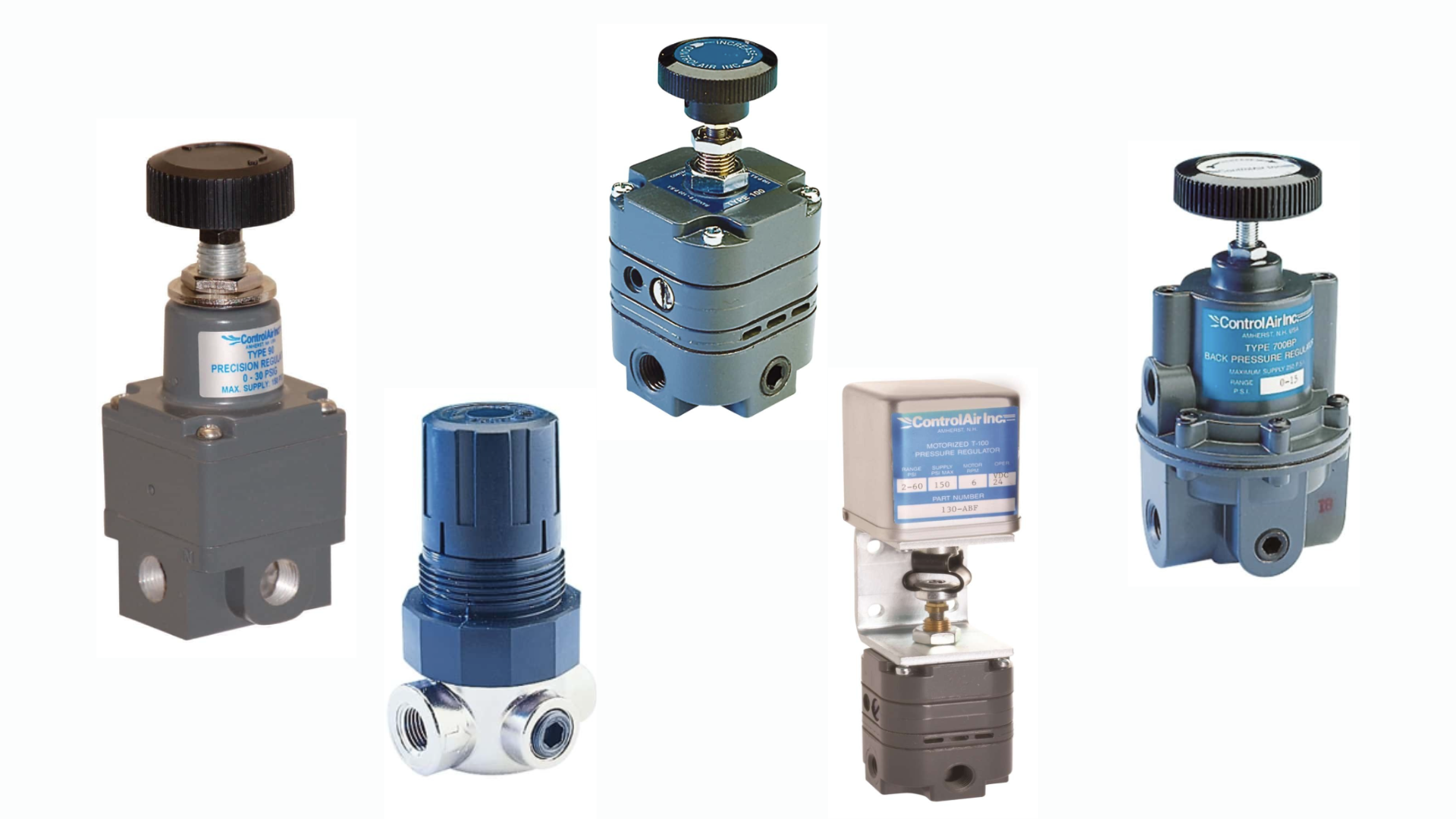
The plus point of a proportional pressure regulator is that it can help machines use the right and exact amount of air pressure. When the air pressure goes up and down smoothly, the machines work in a gentle and correct way. We have discussed the top 5 applications that happen in different factories and labs in this blog. Let’s read this blog to explore all of these!
1. Energy-saving motion control
Problem: Motors and pistons waste power when they start too hard.
Solution: The proportional pressure regulator adjusts pressure step by step to match the load. This stepwise control keeps motor effort low and stops sudden starts.
Benefit: Machines save energy, run cooler, and need less repair.
Example: A conveyor slows or speeds with small pressure changes instead of big blasts that waste power.
2. Multi-zone air systems
Problem: Large plants need different pressures in many places at the same time.
Solution: One regulator can serve one area, while other regulators serve different pressure areas. This keeps each area at the right pressure for its task.
Benefit: Each machine gets only the pressure it needs. This cuts waste and stops leaks from affecting other machines.
Example: One area uses low pressure for gentle pick-up, while another uses higher pressure for cutting or stamping.
3. Quiet machine operation
Problem: Sudden pressure spikes make loud noises and shocks that bother people.
Solution: The device controls pressure flow to avoid spikes and cushions movements. It makes closing and opening actions soft.
Benefit: The factory becomes quieter and safer for workers. Less vibration also keeps parts from wearing out faster.
Example: A press closes softly without a loud bang, so nearby workers can talk and machines last longer.
4. Precision slow-fill and soft-start
Problem: Filling tanks or testing parts too fast can stretch or break them.
Solution: Regulators let air in slowly and steadily. They give small pressure steps so the fill is gentle and even.
Benefit: Parts stay whole, tests give fair results, and the plant avoids wasted parts.
Example: A lab fills a small tank slowly to watch how it holds pressure and to find the right limit.
5. Smart system feedback
Problem: Systems that never adjust can drift or fail over time.
Solution: Modern units link to sensors and set pressure automatically. Using an electronic pressure regulator makes this easy. The regulator reads a sensor and moves a little to correct the pressure.
Benefit: The system learns and corrects itself fast. You get steady work and less human checking.
Example: A machine senses a drop in pressure and the regulator raises it slightly to keep steady work.
Pick the right kind
Choose a unit that matches your air type, flow needs, and control type. If you mix electric control with air valves, an electro pneumatic regulator works well. Ask for simple setup help and try it on a small machine first to learn its behavior.
Quick checklist
- Match size and flow.
- Check response speed.
- Use sensors for feedback.
- Train operators with a short demo.
Safety tip
Always shut off the air and bleed lines before you touch a regulator. Wear simple safety gear and follow a short checklist each time you install or change a unit.
Final thought
A proportional pressure regulator helps machines act gently, smartly, and steadily. It saves energy, reduces noise, and keeps products safe. Try one on a small line to see the change. Small checks and good guides keep people safe and machines running every day.